Books & Arts

Books and Arts

The making of America

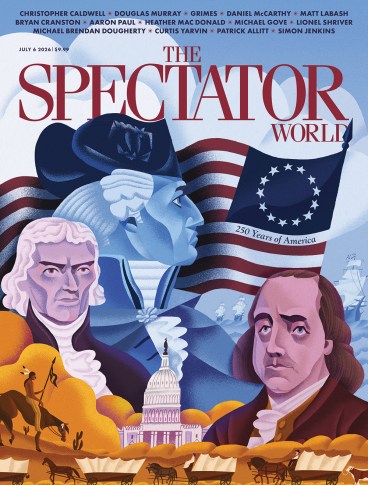
The story of the United States was determined from the start by the manner of its birth. The original 13 English colonies may seem lost in the distant past. Yet it was their diversity that was the key to their union. The creation of the US reflected the tensions of 17th-century England, pitting the Puritan republicans of Massachusetts against the landed gentry of Virginia, Quaker New Jersey against Catholic Maryland. The Founding Fathers resolved these tensions by instituting the concept of states’ rights. Their Constitution was a tissue of compromise, yet it was robust. What served to unite 13 colonies still holds together the mightiest nation on Earth.
America

Why are there no good films about Independence Day?

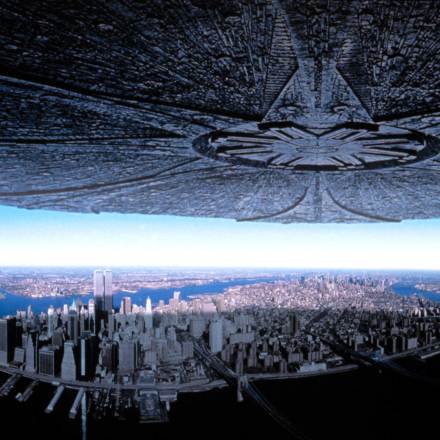
This month marks 30 years since the release of Roland Emmerich’s Independence Day, a science-fiction blockbuster best viewed as the anti-Close Encounters of the Third Kind. Spielberg’s 1977 film suggested we would be better off finding common ground with extraterrestrial visitors; Emmerich’s more bombastic picture stuck to the (surprisingly Trumpian) idea that aliens were evil, wished to destroy our planet and must be resisted at all costs, preferably with nuclear weapons. It is not a subtle film, with the most fondly remembered moment coming in the famous shot when the White House is destroyed by an alien spacecraft.

There will be blood – the vital work of field transfusion units

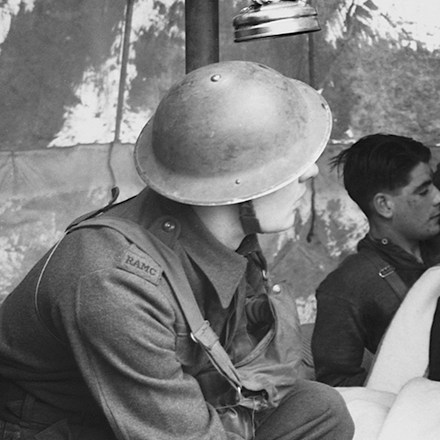
Most conventional World War Two military histories focus on weapons, materiel and even the manpower needed for a decisive victory over Hitler and the Axis powers. Little has been written about blood as a strategic resource. However, a pioneering service of specially trained medics who worked dangerously close to the front lines, pumping blood into the veins of battle casualties, not only saved lives but contributed significantly to winning the war. They did this by returning men to the front line and boosting morale by persuading them that, if wounded, they had the maximum chance of life.

blood
birds

A trove of avian lore and history

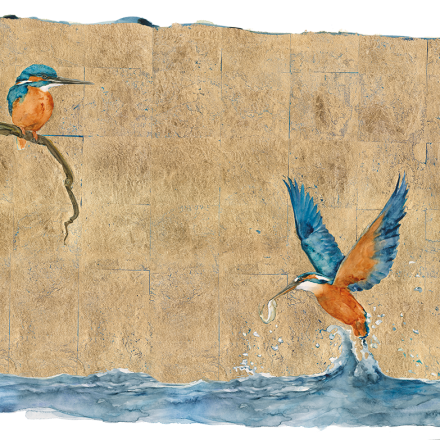
I finished reading The Book of Birds by Robert Macfarlane and Jackie Morris, and leaned out of my attic window to smoke and think about it, when there among the tumbling spires of the apple trees was a spasm of fluttering and a flurry of notes: two spotted flycatchers! One held the air for a moment, hovering and looking me in the eye, and then darted back to its perch while the other called. It has been years since we have seen them, and straight to my bird books I went. The Book of Birds was no help because it does not include the spotted flycatcher and is not designed as a recognition guide. Instead, Macfarlane writes: "Ours is a field guide with a difference... It asks not 'What is that bird?' but 'Who is that bird?' The aim is to help readers identify with them.

Alien fever shows no signs of abating

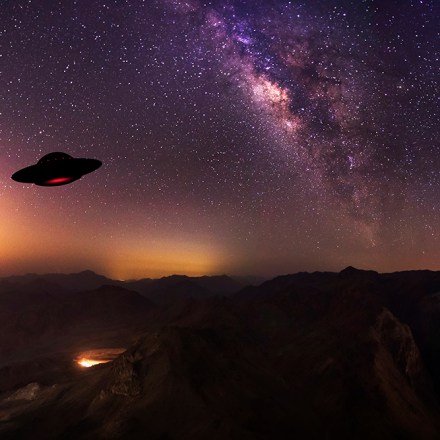
These two books are about aliens – intelligent beings who may or may not have visited our planet. Jonathan Caplan is a distinguished lawyer and believer; David Lavelle is a journalist and skeptic. Aliens have always been with us. For at least 4,000 years there have been reports of strange visitations assumed to come from heaven, hell or simply the universe. Angels and demons were commonplace, but they were eventually replaced by technology-based visions, most often flying saucers. These could be quietly ignored until 1947, when postwar alien fever was sparked in Roswell, New Mexico. Metal and rubber debris were found which the US Army initially claimed were parts of a “flying disc.

art

The problem with ‘queer art’

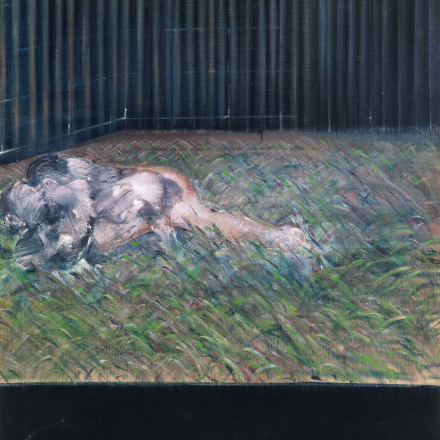
In 1911, Duncan Grant’s “Bathing” went on display as part of a design scheme for the dining room of the Borough Polytechnic in Southwark. This large painting depicts a group of strongly muscled male bathers diving, swimming and hauling themselves into a boat. Only one of them is wearing a bathing slip, and while this kind of spectacle might have been familiar to anyone educated at a public school at this period, the art critic of the Times complained that it could well have “a degenerative influence on the children of the working class.” The picture now hangs in Tate Britain, and is used on the gallery’s website to direct people to an account of “Queer Life and Art.

Toy Story 5 contains delicious touches

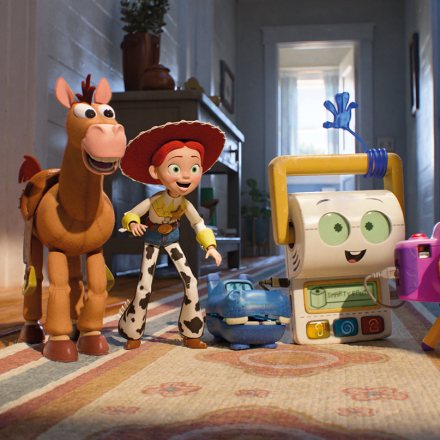
Toy Story 5 – do we need it? One worries for the narrative integrity of characters when an IP is thrashed to death like this. The latest ​installment, however, does address one of the most pressing dilemmas of modern childhood (screen time) and whether it will be the end of toys. (‘Extinction… Not again!’ cries Rex, the dinosaur.) It is timely, with some delicious touches – Woody now has a bald spot So it is timely, with some delicious touches – Woody now has a bald spot. And while it isn’t as entertaining as the first three and stumbles at the finishing line, it may be better than the fourth, with its horrible doll Gabby Gabby.

toy story 5
farm

Clarkson’s Farm remains the best drama on TV

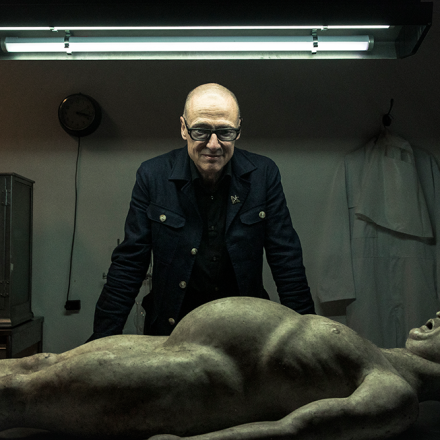
Aliens are very fashionable right now. Steven Spielberg recently announced that they are real and have been visiting us since for ever – but then he does have a poorly reviewed new movie to push. Trump’s White House, meanwhile, has been busily trolling us with hints that it knows more about the subject than it has hitherto let on. I personally think it’s all bollocks – or, if you believe Project Blue Beam, worse than bollocks. But whichever camp you fit into, I think you’ll thoroughly enjoy the three-part documentary series The Alien Autopsy Scandal. It has the feel of one of those old-fashioned capers where an unlikely band of English eccentrics with specialist skills – butchery, model-making monsters for Dr.

Fresh, original Mozart

It’s spring in Vienna; well, OK, it’s early summer but it’s a gray day when Mozart doesn’t make you feel younger and I reckon this new release from Alim Beisembayev will do just that. In a world of infinite entertainment possibilities, Beisembayev has done the hard bit – the choosing – for you. Here we have two late piano concertos (Mozart wrote them between the ages of 30 and 32, as his own solo career wound down) charged with a grandeur, a playfulness and an endless smiling compassion that will come as a glorious corrective to anyone whose last experience of Mozart involved bodily fluids and confectionery in Sky’s hellish remake of Amadeus.

mozart