Life

Life

Can COVID-19 tell whether a protest is progressive?

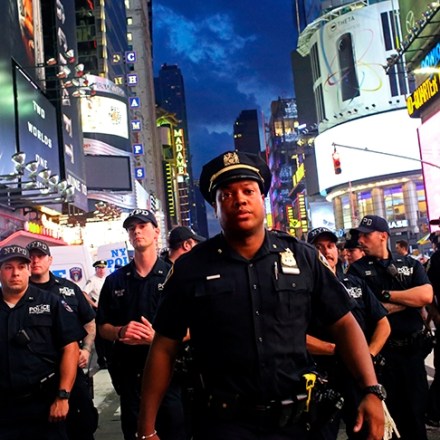
New York City This past month shattered all my sense of stability and permanence in New York, the city I’ve called home since 2012 (though I’ve spent some of those years in London). The looting mobs that rampaged through Gotham’s streets put me in mind of my native Middle East, a phenomenon I thought I’d left behind ‘over there’, not to be encountered except on the occasional reporting trip to Iraq or Egypt. But no. An unjust police killing in Minneapolis — combined, no doubt, with the effects of a prolonged lockdown — Arab Spring’d the United States, if you will. Or rather, the riots revealed that America’s advanced liberal society isn’t all that different from the Arab client states Washington likes to lecture.
protest
i-95

No smokes without buyer

In late March I left New York, fleeing the mayor more than the virus. Sunlight being the best disinfectant and I having parents to see, I grabbed a tube of disinfecting wipes and flew to Palm Beach, Florida. After seven weeks of sunny inanition, I prepared to leave and return home. Among my objectives was the fulfillment of a request by a New York friend to pick up a carton of cigarettes for him at Florida prices. Though not a smoker, I sympathize with the tax-burdened as a rule. Entering the Palm Beach Publix supermarket, surely the only Publix with valet parking, I made straight for the tobacco counter, having been advised by my nicotine-addict friend that the store was known to carry his off-piste brand, Carlton 100s.

Custard and coffee

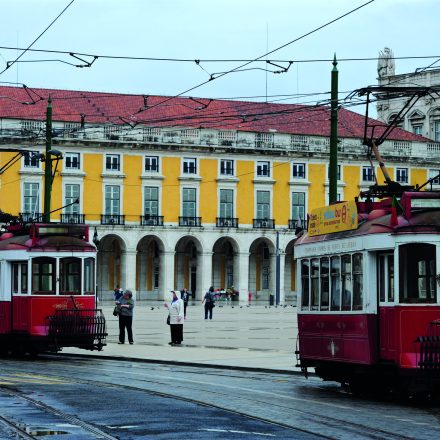
On the morning of November 1755, Lisbon was struck by one of the deadliest earthquakes in history. It measured between 8.5 and 9.0 on the Richter scale, split the city center with fissures 16 feet wide, and killed perhaps 40,000 people (out of a population of 200,000). Shocked survivors gathered by the docks on the River Tagus, which had turned to a giant mudflat, littered with wreckage, as the sea mysteriously retreated. Many of them were killed by the tsunami that engulfed the city center 40 minutes later. Still, every cloud has a silver lining.

Lisbon distinctive trams
Two Perseid meteors peltier

Stargazing under lockdown

This article was originally published in Batavia, New York Paranoia will destroy ya, as the great Muswell Hillbilly Ray Davies sang, but so can blithe unconcern, and damned if I can find the equipoise. Case in point: a saintly friend of my mother’s distributed masks to those of us who had been engaging in acts of unprotected grocery shopping. Mine bore the emblem of the Buffalo Bills. (I’m surprised some underemployed NFL patent attorney isn’t hounding the mask-maker as I type.) I dropped by to see my parents en route to the grocer’s. ‘I dunno,’ I said to my father. ‘A mask. Whaddayou think?’ ‘You’d look like a candy ass,’ he replied.

Flavors of the past

You realize western tourists are a rarity when the locals ask to take selfies with you. I was standing under the mammoth ramparts of the Ark, Bukhara’s great palace fortress, when two women came up and asked if they could have their picture taken with me. One was dressed Uzbek-style in a colorful dress with matching trousers and knotted headscarf, the other in a western blouse and trousers. We lined up, beaming, in front of a haughty two-humped camel. Visiting Uzbekistan is a huge adventure. It’s the heart of Central Asia and the old Silk Road, a land of deserts and oases where you can still feel as if you’re stepping back in time. But it’s also unexpectedly safe, easy, inexpensive and welcoming. At the airport, even the immigration officials were smiling.

uzbekistan Dance to the music of time: Celebrations at the ancient Khorezm Mamum Academy, Khiva, 2006