
Food & Drink

Food and Drink

How different is Catholic and Protestant food at Easter?

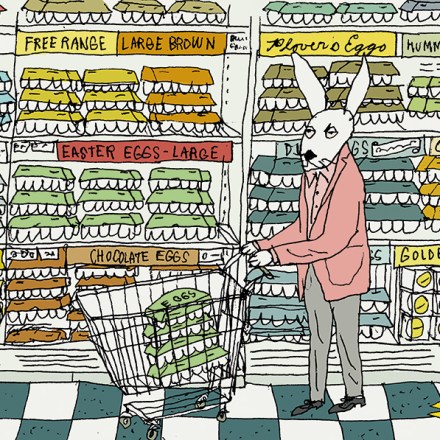
I’m a New York-raised Italian Catholic, and my family’s inherited religious-cultural neuroses inform our meals every bit as much as the WASPs next door. This is particularly true at Easter, where centuries of European immigration have shaped the culinary traditions in New York. The Easter feast became a religiously sanctioned opportunity to indulge For my family, the Easter feast typically includes a herb-crusted leg of lamb (American only; New Zealand lamb is far too gamey), deviled eggs, rich scalloped potatoes, honey-glazed carrots, some fresh spring vegetables and an absurdly decadent chocolate dessert – all washed down with a robust Etna Rosso, generously poured.
The case for barbecuing ham

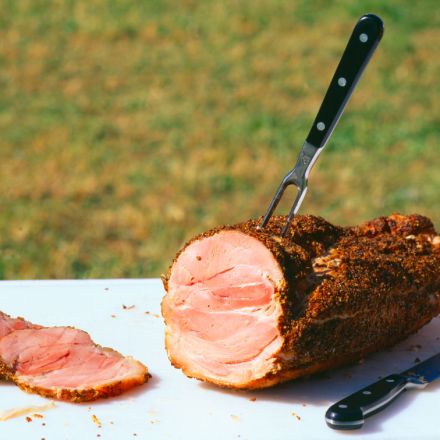
Easter is fast approaching, so of course I’m thinking about ham. This iconic centerpiece of the Easter dinner table isn’t usually associated with the barbecue pit – at least not anymore – but it’s time that changed. Ham and barbecue have had a long and somewhat rocky relationship. Both have smoky roots in the early American colonies – especially Virginia – but they originated separately. Europeans had a long tradition of salting and air-curing hams, but that method proved insufficient for preserving pork in the hot, humid climate of the New World. The Virginia colonists started rubbing their hams with brown sugar and salt and hanging them for weeks in smokehouses instead of out in the open air.