Spectator Life

Spectator Life

An intelligent mix of culture, style, travel, food and property, as well as where to go and what to see.

Netflix vs Apple: which streaming subscription offers best value for money?

Amid rising energy bills, the announcement that Netflix will hike its prices – with its basic package increasing by £1 a month to £6.99 – seemed to pass without too much fuss. But, as the cost of living crisis hits, many households will be looking at which subscriptions to prioritise. But with more of us subscribing to multiple streaming services (thanks, in part, to those spontaneous lockdown purchases) these extra costs have a habit of adding up – until you suddenly find yourself shelling out more than £50 a month on entertainment. All of which begs the obvious question: which streaming service gets you the most bang for your buck?

Ten thrillers with twists to rival Sleuth

Joe Mankiewicz’s classic Olivier/Caine two-handed mystery thriller Sleuth will mark its 50th anniversary later this year, fortuitously in time for the release of Knives Out 2, which promises to be a similarly intriguing whodunnit – at least on the basis of 2019’s initial movie. Based on Anthony Shaffer’s Tony award-winning play, Sleuth depicts a battle of wits between snobbish mystery writer Andrew Wyke (Laurence Olivier) and hairdressing salon owner Milo Tindle/Tindolini (Michael Caine).

What I learnt from Ludovico Einaudi

Last week I went to The Hammersmith Apollo to see Ludovico Einaudi perform his new album Underwater. I hadn’t been to a concert since before the pandemic and had forgotten the thrill of live music. Recordings can never match the sensual and social experience of live performance. When listened to collectively,  music unmasks the soul – solitary emotions are suddenly shared – and it connects us to something greater than ourselves. Music is the medium I go to for comfort when life is not quite making sense Underwater is Einaudi’s first solo piano album in two decades, becoming the fastest streamed classical music album in history. High minded critics turn their noses up, calling his music ‘elementary’.

The enduring appeal of Watergate

On 24 April the series Gaslit, starring Julia Roberts as Martha Mitchell and Sean Penn as Watergate-era U.S. Attorney General John Mitchell, will premiere on Starz. It joins a multitude of books, films, and TV shows about Watergate, starting with the Oscar-winning All the President’s Men (1976) running through to 2017's The Post. Granted, Watergate was one of the most disturbing moments in American political history. But why do films and TV shows continue to emerge 50 years after the event itself? Perhaps because they not only speak to long-standing myths about the power of the individual and the resilience of American democracy, but also to deep-seated fears about its fragility.

Is it really a crime to stare?

‘A sky full of stars and he was staring at her’ is a love poem by a dead Roman but on the London Underground, all a man will find if he looks skyward is a TFL advert warning him if he stares at me in an Attican fashion I’m to call the police. ‘Staring’ (Sadiq Khan’s bright red public safety warning reads – with ominous eyeballs popping out of the ‘a’ and the ‘g’) that may be construed as ‘intense’ and of ‘sexual nature’ is now ‘sexual harassment’ and ‘not tolerated’. Should anyone ‘see it or experience it’ they are to text the British Transport Police or dial an 0800 sexual harassment hotline if they want to remain anonymous.

Bruce Willis on screen: from Die Hard to Looper

The sad news that Bruce Willis is ‘stepping away’ from acting due to an aphasia diagnosis came as a surprise to fans, but the film industry has been rife with rumours about his possible medical problems over recent years. The slew of cheap straight-to-DVD action thrillers (with relatively little screen time) he starred in since 2014 made observers wonder whether Willis was making as much money as he could to ensure both care in his retirement and a decent inheritance for his family. The fact that the famously motor mouthed actor of Moonlighting and his long run of hit movies opted for increasingly taciturn roles led insiders to wonder whether something was wrong.

A nature lover’s guide to spring wildflowers

We have reached the time in spring when everything goes whoosh! and the bare brown and grey days of winter start becoming a distant memory. There are so many spring flowers around, and everyone likes to gab on about tulips and bluebells and blossom, while pointedly ignoring some of our most beautiful wild flowers. Even though the road verges are covered in beautiful golden polka dots from dandelions, or frothing gently with the blooms of cow parsley, few of us appreciate ‘weeds’ because we have designated them a nuisance and an affront to our desire to control nature. And yet ‘weeds’ – really just wild flowers with a little more ambition than others – garden themselves, survive where the habitat is hostile, and brighten places rendered boring by humans.

Will Smith’s slap was a triumph

Will Smith’s straight arm slap of Chris Rock at the Oscars was, for my money, the most interesting event ever to have transpired at any awards show in history. It pips even my previous favourite, which was when Jarvis Cocker ran onstage during the 1996 Brits to reveal his buttocks in protest at Michael Jackson’s ludicrously overblown performance of Earth Song. Did Rock ask to be attacked for humiliating Smith’s wife, Jada Pinkett-Smith, on account of her alopecia? Yes, of course. But that was the point. The joke was predicated entirely on the comic getting away with saying the unsayable – a formulation of words intended to be deeply provocative – and for the audience to experience the attendant risk as electricity.

What Will Smith’s slap means for comedy

Now this is a story all about how The Oscars got flipped-turned upside down. And I'd like to take a minute. Just sit right there. I'll tell you how I told told a joke about a chick with no hair... Well, I think we all know what the opening routine of Chris Rock’s next Netflix special is going to be. Say what you want about the Oscars, this year people are certainly talking about them. But not about the movies, about the Fresh Prince himself, Will Smith, slapping comedian Chris Rock on a worldwide broadcast in front of the Hollywood elite. Like every British comedian, after I woke up and read the news, I ran to Twitter to attempt a joke about this bizarre spectacle, only to find out I’d been beaten to the punch, as it were.

The Oscars championed the average over the excellent

For a number of years now, as the streaming revolution ramps up and our watching habits become ever more fragmented, the Oscars have been locked in a desperate struggle against plummeting viewing figures and waning public interest. This is obviously a situation that Will Smith wanted to try and remedy – and not simply by winning the Best Actor award for his work in a classic all-American story of triumph over adversity. His fierce portrayal of Venus and Serena Williams’ maniacally driven father in King Richard was deservedly popular yet incredibly, less than half an hour prior to picking up this gong, Smith had climbed impromptu onto the stage at the Dolby Theatre in Los Angles to sock presenter Chris Rock squarely in the face.

Chris Rock, not Will Smith, is the hero men need

There was an explosion of masculinity on the stage at the Oscars last night. Male behaviour was on display for all to see. No, not from Will Smith, who behaved like a big, dumb baby, but from Chris Rock. It was Rock’s calmness and stoicism, his mastery of his emotions, that was truly manly. If you want to know what a real man is, look not to Smith and his impulsive swearing and slapping, but to Rock and his Herculean suppression of his shock and fury. I am in awe of Chris Rock this morning. I get distracted if someone in the audience so much as coughs when I’m giving a talk. I bat back every point of information in university debates for fear I’ll lose my train of thought.

The death of the tweenager

We have the 90s to thank for the birth of the 'tweenager': pop bands like S Club 7 and B•witched were targeted exclusively at this age group of girls between nine and thirteen years old. Magazines like GirlTalk indulged in chatter about puppies and Mother's Day crafts. Pre-teen girls were beginning to be considered as a commercial market but they were still very much separate from the older teenage demographic. A 1996 edition of Girl Talk (@girltalkmags) Two decades later, and that pre-teen phenomenon seems part of a bygone era. Young girls seem to be skipping the awkward pre-teen stage and swiftly trying to emulate the endless stream of older influencers they see online.

Harlan Coben on David Foster Wallace, writing the perfect book and becoming a Netflix sensation

‘There are two kinds of writers,’ Harlan Coben says with a grin. ‘There are those who, one day, hope to see their books on screen, and there are those who are lying to you.’ Coben, a New York Times best-selling crime writer, knows how fortunate he is. You can’t flick through Netflix without seeing trailers for one of his shows with their short and punchy titles: The Woods, The Stranger, Safe. The stories might not win Pulitzers, but the plot twists and murders of Coben’s suburban noir are wildly popular. Netflix has signed him to an unprecedented 14-show deal; ten have already been made for British, American, Polish, French and Spanish audiences. Yet Coben shied away from the movie business until later in his career.

Ten mobster movies to rival The Godfather

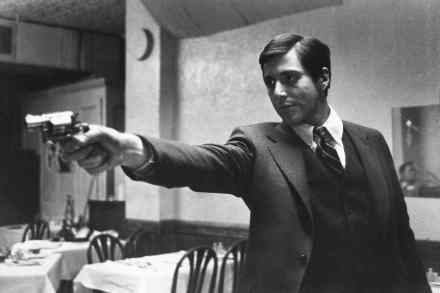
This August will see the 50th anniversary of Francis Ford Coppola’s classic crime drama The Godfather. The picture and its 1974 sequel raised the cinematic depiction of The Mob from being crowd-pleasing shoot ‘em ups to a subject worthy of serious filmmakers and subsequent movies in the genre made explicit comparisons between organised crime and wider society, specifically government. Indeed, thanks to The Godfather, the mobster movie has become a permanent Hollywood fixture – a genre that top directors seek to reference, if not wholeheartedly embrace, at some point in their careers. 2022 is no exception: this month sees the release of Graham Moore's The Outfit.

Why the British don’t do superheroes

I don’t know about you but I’m a rather a fan of Batman or The Batman, if you prefer to give him the definite article as the new film does. It’s also rather heartening to see so many fine British actors earning a pretty penny portraying him – Robert Pattinson dons the cowl in the new film, hot on the heels of Christian Bale. And it’s not just Gotham’s bone crushing vigilante that our acting schools are clearly adept at preparing actors for: Brits Tom Holland Andrew Garfield have both slung webs as Spider-man and of course Henry Cavill has done the blue leotard proud playing Superman four times.

Spare a thought for ‘Generation Sandwich’

Sunday was fairly typical. The police picked up Mum, 73, wandering in distress near Halifax bus station, cold, disorientated and lost. Son, 15, was walking with a friend in north London when two older boys stopped them and demanded to know if they were dealing drugs before scrolling through their phones to check. Daughter, 18 was determined to go see her boyfriend despite feeling ill and Dad, 77, sat in a pub on the Yorkshire Moors nursing a pint of ale and a failing heart. While all this was going on, I was mopping floors, cleaning dishes, hanging out washing, and trying to write a book. When Son, 15 arrived home panting because he’d run all the way home, my wife and I spent some time calming him down and reassuring him that such incidents are rare.

The sorry state of cinematic sex

The sexiest scene in Adrian Lyne’s new film, Deep Water, starring Ana de Armas and Ben Affleck, may be de Armas eating an apple—a distant echo of the iconic food scene in Lyne’s 9 ½ Weeks (1986). Based on Patricia Highsmith’s 1957 novel, in which an openly adulterous wife suspects her husband of drowning her latest lover, the plot has more to do with power than pleasure. The 81-year-old Lyne, who hit paydirt with Fatal Attraction (1987) and Indecent Proposal (1993), has re-emerged after a two-decade hiatus since Unfaithful (2002). Sadly, the hotly anticipated return of the erotic thriller is neither erotic nor thrilling, which may explain why it was pulled from theatrical release.

Hollywood’s best plot twists

Jane Campion’s BAFTA-winning western The Power of the Dog is distinguished by both great acting and a surprising ending, which I won’t reveal. The strength of the picture’s denouement is that it doesn’t come across as an M. Night Shyamalan-style contrivance, rather as a logical development of the characters. Of course, twist endings are nothing new; witness the likes of Psycho (1960), The Planet of the Apes (1968), Soylent Green (1972 – Heston again), The Wicker Man (1973), The Parallax View (1974) and more recently Se7en (1995). The Power of the Dog is a relative rarity in being a cowboy movie with an unexpected conclusion; the device is usually employed in sci-fi, horror and thrillers.

How to offer a room to a refugee

Michael Gove has announced that members of the public will be able to offer rooms and accommodation to named refugees through a government portal – Homes for Ukraine – which was launched on Monday. Gove said that he was confident there would be no shortage of people coming forward, although he gave a somewhat roundabout answer as to whether he himself would be hosting a refugee. The British public, however, appear to be very open to becoming hosts, with one in three saying they would offer a room, according to a poll conducted by The Observer. When Gove launched the scheme in the House of Commons yesterday, Lisa Nandy was quick to criticise the government’s policy of asking volunteers to name Ukrainians who they wished to host.

At last, the UK has a decent Eurovision act

Jemini sits on an unenviable plinth in the UK’s cultural history. In 2003, this pair of enthusiastic Liverpudlians were the first ever UK entry to score a spectacular nul points at the Eurovision Song Contest, with Cry Baby. Oh, we did. In 2021, it was the cruel and unusual fate of James Newman to follow in their footsteps all the way to the bottom of the right hand side of the board with an equally non-existent score for Embers, the ensuing headlines writing themselves.

Rebel Wilson’s crass humour was a bad fit for the BAFTAs

After the two oddest years in the history of the red carpet, when Covid restrictions saw stars accepting gongs from their sofas via Zoom, glitzy prizegivings as we (used to) know them are back. Last night’s BAFTA ceremony, from the Royal Albert Hall, marked the opening salvo of a two-week run-in of the biggies, as the Oscars follows at the end of the month. It was, reassuringly for fans and teeth-grindingly for detractors, the customary heady cocktail of self-absorption and virtue-signalling, along with acknowledgment of some very fine pieces of cinema. As well as Kenneth Branagh’s Belfast. In recent years, awards ceremonies have tied themselves in all sorts of knots over their hosts.

Refugees in film: a cinematic guide

The tragic ongoing events in Ukraine have highlighted the plight of refugees, with over 2m people (mainly women and children) fleeing the country since Russia invaded on 24 February 2022. Sadly, refugee crises have been occurring since the dawn of what may ironically be called ‘civilisation’, most notably the Biblical Exodus from Egypt and Caesar’s conquest of Gaul, which began when the Swiss Helvetii confederation, under pressure of Germanic tribes, sought to cross into Roman territory on their westward journey to safety.

Why taking cold showers could help Ukraine

I found myself in Berlin at the weekend gasping for breath in a cold shower, doing my bit for Ukraine. Berliners are a phlegmatic bunch but the arrival of a European war two hours from their doorstep is triggering memories of much darker periods of conflict and stirring not-so-dormant feelings of solidarity and direct action. Could cold showers be the answer? Last week the German government undid decades of foreign policy, announcing massive investment in German defence spending and sending anti-tank and air defence weapons to Ukraine. Chancellor Olaf Scholz called Putin’s invasion a Zeitenwende, a ‘watershed moment’ as he pledged €100 billion to upgrade German’s defence forces and committed to top the two per cent GDP contribution to NATO.

How do we talk to children about war?

Every day when my niece gets home from school she seems angry and frustrated. She wonders why we can’t do more to help the people in Ukraine. She is bewildered by video clips of children saying goodbye to their fathers who are staying behind to defend their country. Since the shocking news of the invasion broke, she has joined her school politics group and wants to learn more about the conflict, why it is happening, and what can be done. She is aware of the contrast between her sheltered life and those less fortunate. I asked her mum (my sister) how she parents in this situation. Her greatest concern is how to preserve her daughter’s innocence when she’s so well informed. ‘Everything is out there, you can’t just hide from it.

Fatherhood is a risk men aren’t willing to take

Recent reports that half of women in England and Wales are now childless by their 30th birthday reveal a worrying new attitude amongst Gen Z. Parenthood, to the younger generation, is the enemy of unfettered frivolity. Young women, we are told, would rather live for the moment than plan for the future. 'Being present' has become the mantra of the 'mindful' generation who see autonomy as the ultimate expression of a life well lived. But how complicit are men in this myopic 'me-only' utopia we have created for ourselves? Are women actively rejecting the sort of men who would like to settle down or have the sort of men who once yearned to settle themselves become cynical about taking the plunge?

James Dyson is right to urge us back to the office

I have almost no clue what office life is like. And I really mean ‘almost no clue’. Over several decades of professional work, my entire experience of office life consists of four hours working as a receptionist at a shipbroker’s in the City. I was so bad they sacked me by lunchtime: I didn’t even make it through the first day.  Chastened by this trauma, I thereafter vowed I would never do another hour of paid work in an ‘office’, and I have stuck to my principles. I have never been woken by a horrible alarm at 7am; instead, for all my life, I have heroically kept on sleeping until about 10.30.

Louis Theroux and the problem with sex scenes

You know the restaurant scene in Notting Hill? The Hugh Grant character defends the honour of his magical girlfriend when she is the butt of some sexist banter from some vulgar brutes, who don’t realise she is sitting round the corner. In many languages, says one, the word for actress is the same as the word for prostitute. Hugh just can’t bear it: he confronts them with an angry eye-flutter, telling them to bloody well shut up, and then Magic Girlfriend appears and tells them that they have small penises. It’s one of those scenes in which Richard Curtis helps us to understand what is good and what is bad these days.  Well, at the risk of resembling one of the nasty sexists in this scene, I want to suggest that the new orthodoxy has its limits.

How a royal disagreement over a penny revealed Edward VIII’s vanity

A rare penny piece goes on sale this month for 20 million times its face value – quite the mark up. But it’s the backstory to the coin’s creation that is arguably the most interesting aspect of the sale – because of the insight it gives into the frosty relationship between George VI and Edward, whose sudden abdication put his brother on the throne. The story begins in 1936 with a dispute over the small matter of a hairstyle. While plunging the government towards a constitutional crisis through his relationship with the American divorcee Wallis Simpson, the notoriously vain Edward was also concerned about how he might look as loose change.

Ten cerebral superhero films to rival The Batman

With an added ‘The’ for extra gravitas, Matt Reeves’ fresh take on The Batman is picking up generally favourable notices both for the movie and Robert Pattinson’s interpretation of the character, which apparently makes Christian Bale’s dour Bruce Wayne a happy-go-lucky scamp in comparison. The Spectator's Deborah Ross wasn't convinced by yet another dark twist on the superhero but elsewhere the film has received solid reviews. The Caped Crusader has seen many iterations on film, the most recent being Ben Affleck’s constipated billionaire, which never really caught on with audiences.