
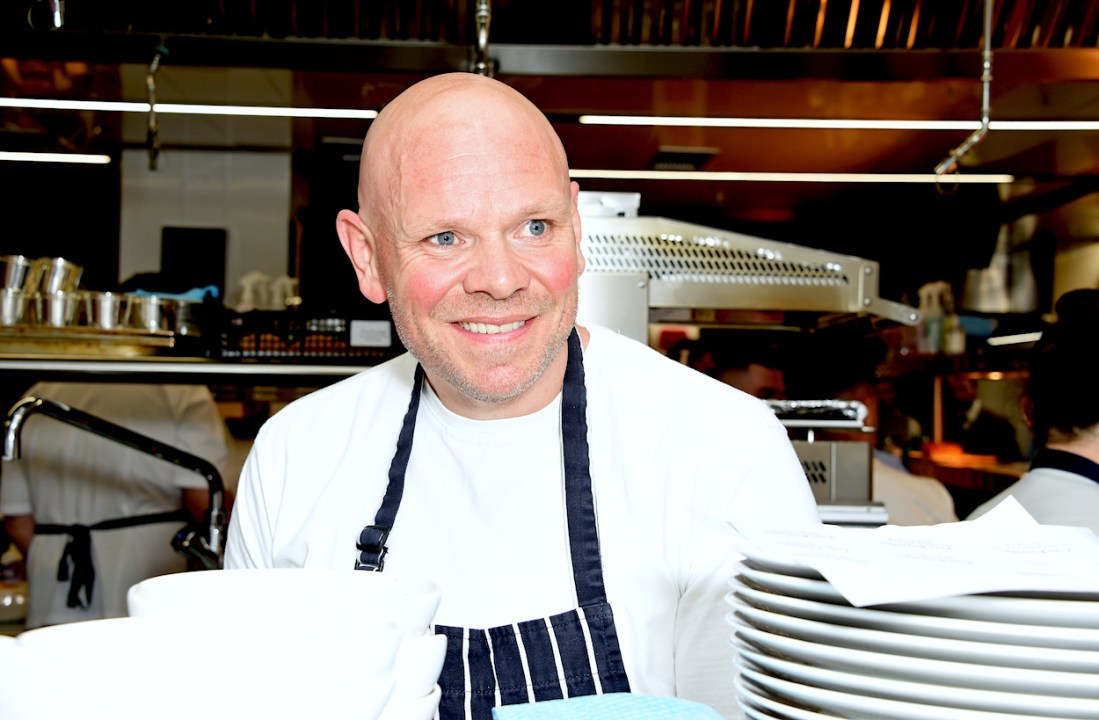
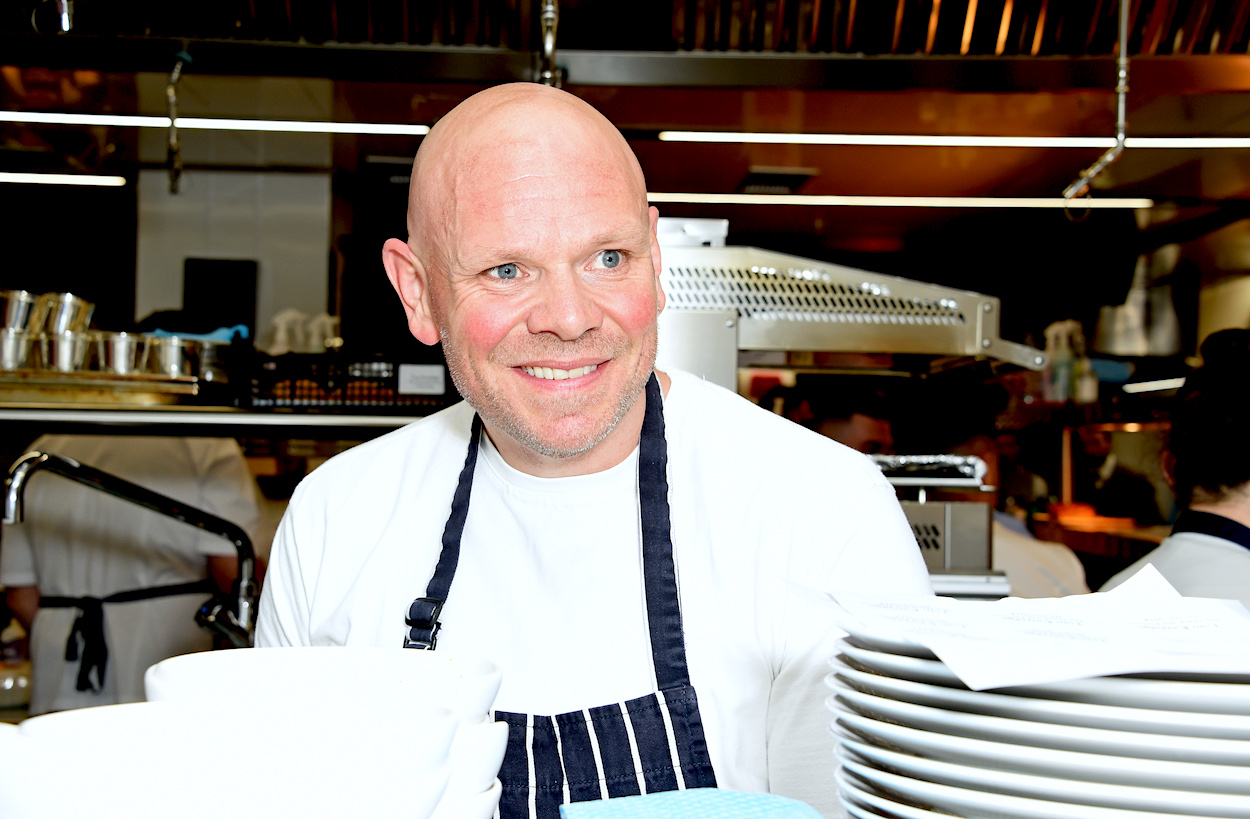
The hospitality industry is in trouble. The last few years have seen an already low-profit, labour-intensive sector battle with a raft of spiralling costs. Soaring energy and ingredient prices, the recent increase in minimum wage and employer national insurance contributions, punishing business rates, and the cost of living crisis have all contributed to the industry being on its knees. Recent data commissioned by trade bodies shows that just under a quarter of these businesses are losing money, with one in six fearing closure before the end of the year.
Leading lights of the industry have come out fighting. The VAT’s the Problem campaign, spearheaded by chef Tom Kerridge, is asking for VAT for hospitality businesses to be cut from 20 per cent to 10 per cent – this would bring the UK in line with similar rates across Europe. And there is swelling support: the petition currently has over 250,000 signatures. Kerridge has described the tax cut as ‘the single most important thing the government could do to support our local pubs, restaurants, cafes, hotels.’ The campaign says it is pro-growth and self-sustaining; supporting hospitality will save businesses, protect jobs, and re-invigorate the high street.
The government stepping in and changing VAT rates to help restaurants and pubs is not without precedent. During the pandemic, VAT for the hospitality sector was temporarily slashed from 20 per cent to 5 per cent; this rose to 12.5 per cent but returned to the standard rate at the end of March 2022.
The UK has one of the highest VAT rates in Europe. In Germany, eating out has a reduced VAT rate of 7% per cent. In France, Spain and Italy, it’s 10 per cent. This week, Ireland has reduced their tax rates for food businesses and hairdressers from 13.5 per cent to 9 per cent. Cutting the rates in the UK for hospitality feels like a political slam-dunk.
But not everyone is convinced that this is the straightforward solution it seems to be. Dan Neidle, a former tax lawyer, and founder of the think tank Tax Policy Associates, has called the case for the proposed cut ‘wrong’ and ‘anti-growth’. Writing in the Times, Neidle criticises the measure for being a huge untargeted subsidy: 45 per cent of businesses in the industry don’t pay VAT because they are too small to hit the threshold. And those that would cost the most to the taxpayer are not the local restaurants and pubs that are on their knees, but enormo-brands like McDonalds and Wetherspoons. It would lead, too, to ‘boundary-leakage’: businesses in other industries would reposition themselves to take advantage of the tax breaks. Nor is the tax break likely to be felt by customers. The campaign has been clear that this is a business-saving venture, designed to absorb the money for stability, rather than immediately pass the savings onto customers.
This makes the industry’s proposals harder to swallow. No one doubts that hospitality needs help. Nor that it deserves it: thriving hospitality brings manifold benefits to the communities it sits in, and to the labour market. It’s also something that we often feel an emotional connection to, particularly the smaller, local businesses, which are often those struggling the most. But while the difficulties that hospitality faces and the benefits it can bring are undeniable, there are more compelling cases when it comes to growth. The treasury estimates the cut would cost £10.5 billion a year. Tax Policy Associates scored a clutch of different tax cuts – from cutting national insurance contributions by 1p to cutting residential stamp duty – and determined that the VAT slash was the poorest return on investment. This isn’t to say that the government shouldn’t step in where restaurants and pubs are concerned, only that their growth argument is a weak one. Neidle instead suggests a ‘targeted rescue package’ which would involve reversals of the costs which are biting: business rates, NIC increases and other direct costs.
Is this the best use of taxpayer’s money?
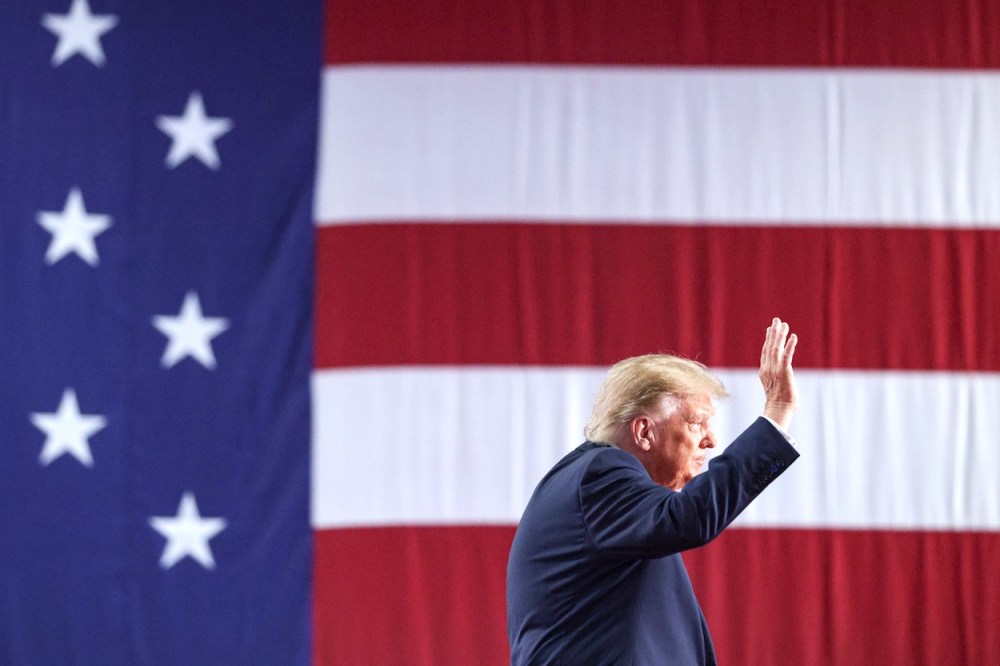
So, who will the government listen to? The campaign hopes that Andy Burnham will be the saviour they need – he has previously backed the tax cut, and during the Makerfield by-election, Kerridge urged ‘the whole of hospitality’ to get behind Burnham in the event of a future leadership contest. But in a speech on Monday, in which he set out his plans for economic reform, his focus was instead on reforming business rates, with no mention made of the VAT campaign.
Back in February, Nigel Farage said Reform would introduce a 10 per cent VAT rate for hospitality, alongside phased abolition of business rates. However, he said they would fund it through the two child benefit cap, which has drawn criticism from poverty and children’s charities – as well as from Kerridge, who says that he cannot support the cut if funded from that source.
Two questions need to be answered: is this the best use of taxpayer’s money, and would it really guarantee the continued survival of our restaurants, pubs and hotels? At the moment, both are in doubt to different degrees. Hospitality needs help – but this might not be the right answer.





Comments