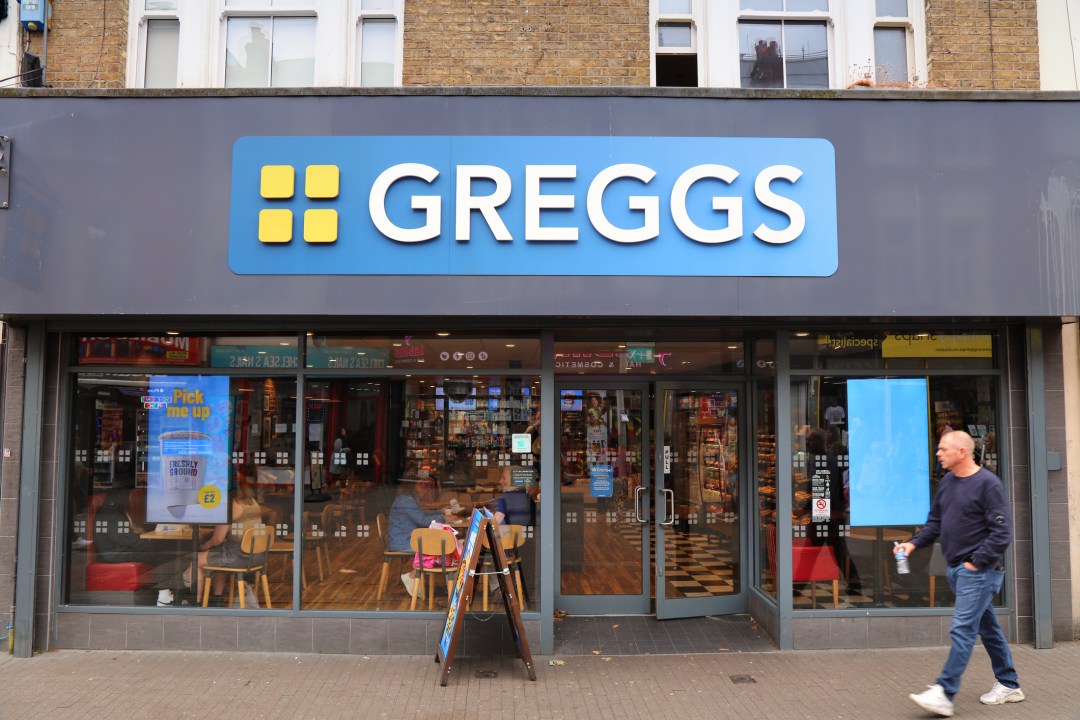
Last week I was in a branch of Greggs, in the small market town in north Wiltshire where I live. Behind the sausage rolls, steak bakes, corned beef pasties and trays of vanilla slice was something that almost made me drop my Tesco meal deal in shock. A machine dispensing matcha lattes.
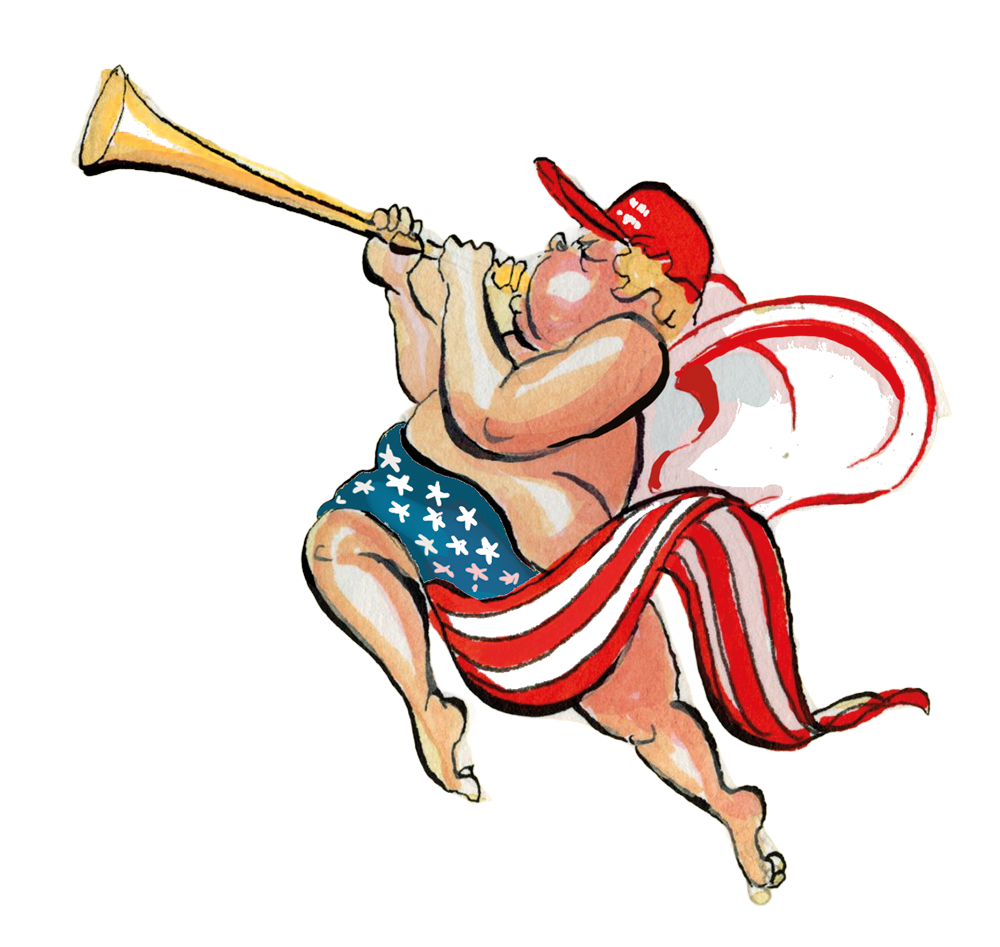
Greggs, the last bastion of brown food in the post-Ottolenghi era is now retailing aspirational green, radioactive TikTok slurry … in Wiltshire. A cheerful, democratic, brute-force provider of cheap calories in culturally legible form has collided with a beverage whose main function is performative wellness. It felt less like innovation than a stitching error. Two incompatible worlds roughly bolted together, animated despite never quite cohering.
I think I must have been staring at the matcha machine for longer than was strictly necessary when the old boy behind me also looked at it.
‘Is it mint?’ he asked the woman behind the counter. No. ‘Pistachio?’ No. He frowned.
‘Spinach?’
‘Matcha,’ she said.
‘Right,’ he said, and ordered a tea and a cheese-and-onion pasty.
Which raises a basic but unvoiced question. What, exactly, is matcha? For anyone who has been living under a rock for the past five years, (or who has had the good sense not to leave Wiltshire), matcha is a type of powdered green tea.
Unlike the stale green tea bags mouldering at the back of the cupboard, and kept, alongside the chamomile, for visiting neurotics, matcha is not something you casually lob into hot water. It is the entire tea leaf, dried and ground to powder, then whisked into suspension and swallowed whole.
The result is faintly bitter and, crucially, extremely green. It tastes, broadly speaking, like lawn. Once, it may have had something to do with Japanese tea ceremony but has gradually metastasized into a global Instagram-powered phenomenon, acquiring the sort of malignant ubiquity usually only associated with David Beckham or prostate cancer.
Such is the extent of its rise that last summer it briefly made the news after poor harvests in Japan raised the possibility of a shortage. Cue global panic.
I used to write guidebooks to Japan. For years I assumed matcha was still about Japan, or about the particular strain of cultural aspiration we like to project onto it. Seeing it in Greggs disabused me. It is no longer anything to do with Japan, ritual or even tea.
It tastes, broadly speaking, like lawn
I have not done any market research on this and am not especially qualified to diagnose it. But if I had to put my finger on what this mania is really about, I would say it has less to do with Japan than with greenness. Not as a colour, exactly, but as a mood. The way people choose art because it matches the curtains. The low, steady hum of self-improvement.
Which is to say: it means cold plunges filmed from three angles. It means morning routines narrated like hostage videos. It means grown adults gurning at ring lights. It means women in aggressively engineered athleisure wear who look like they have had their arses vacuum-packed into their leggings.
All of which would be depressing but unsurprising were it to take place in a pastel-coloured café in Peckham. What is surprising is where it has ended up.
Because Greggs, clearly, wants a piece of this.
The more I thought about it, the less this felt like a cultural shift and the more it felt like a demographics exercise. Somewhere in Greggs, I imagine, someone has looked at a chart and noticed a cluster of people who take photographs of drinks and talk about gut health, and decided Greggs ought to have something for them too. It is the same logic that gave us Beyoncé in a cowboy hat. Not because anyone was crying out for banjo, but because crossover expands the footprint.
Greggs is supposed to be the antidote to all this. Out here, on the Wessex steppe, food is meant to be that yellowy pastry brown. Brown fills you up. Brown is hot. Brown comes in a paper bag. Brown leaves grease on your fingers. Brown is eaten quickly. A sausage roll does not claim to support cognitive clarity.
Matcha has not arrived in Greggs because Britain has developed a deeper interest in Japanese food culture. It has arrived because we are extremely good at aesthetic scavenging, and extremely bad at resisting wellness snake oil.
You cannot now encounter matcha without being told it is clean, calming, focused or intentional. It does not merely contain caffeine. It contains a superior form of caffeine. It connects you to ritual. It is antioxidant-rich. It is ceremonial. It is grounding. It is mindful. It is a small act of self-care performed in liquid form. The product remains flavoured milk. The vocabulary inflates around it like packaging foam. I was doing exactly that.
There is a streak in our national character that is permanently xenophilic, permanently neophyte and permanently ripe for exploitation by marketing spivs. We are marks. Give us a foreign noun, a vaguely exotic backstory, and a claim about antioxidants, and we will queue politely.
My sausage, bean and cheese melt appeared. I wanted to know how long they’d had the matcha machine. About two weeks. I wondered if people were choosing it instead of tea. No. I enquired if she’d noticed a different sort of customer coming in. Not really. I wondered if it had made any difference at all. None. Vive le Wiltshire.




Comments