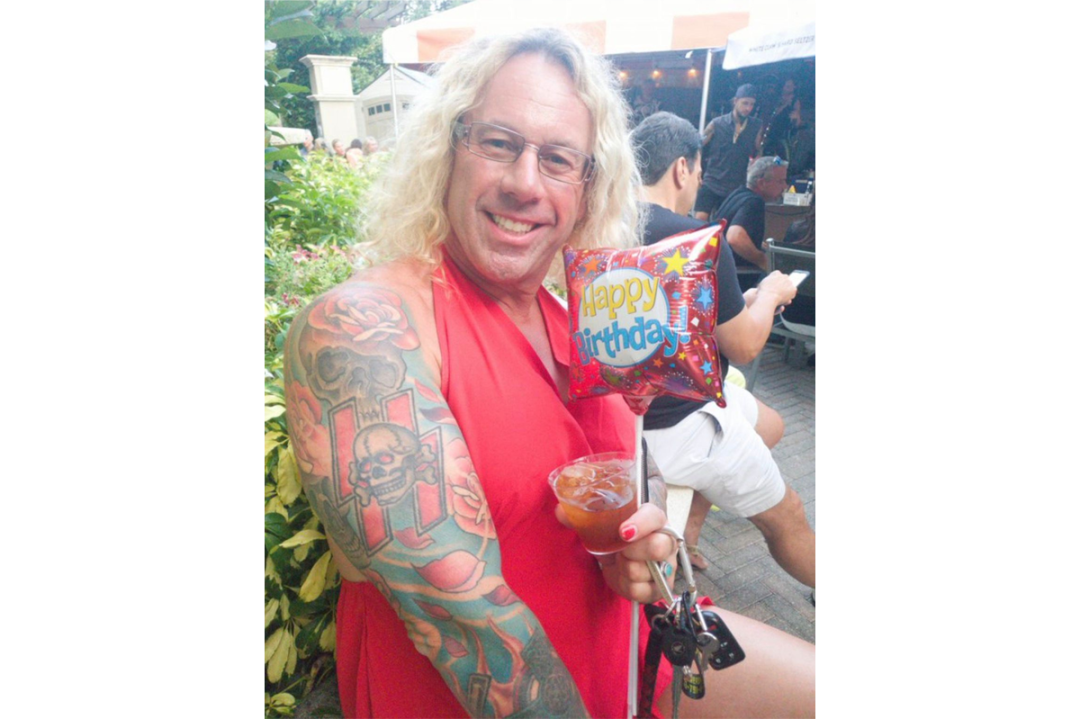

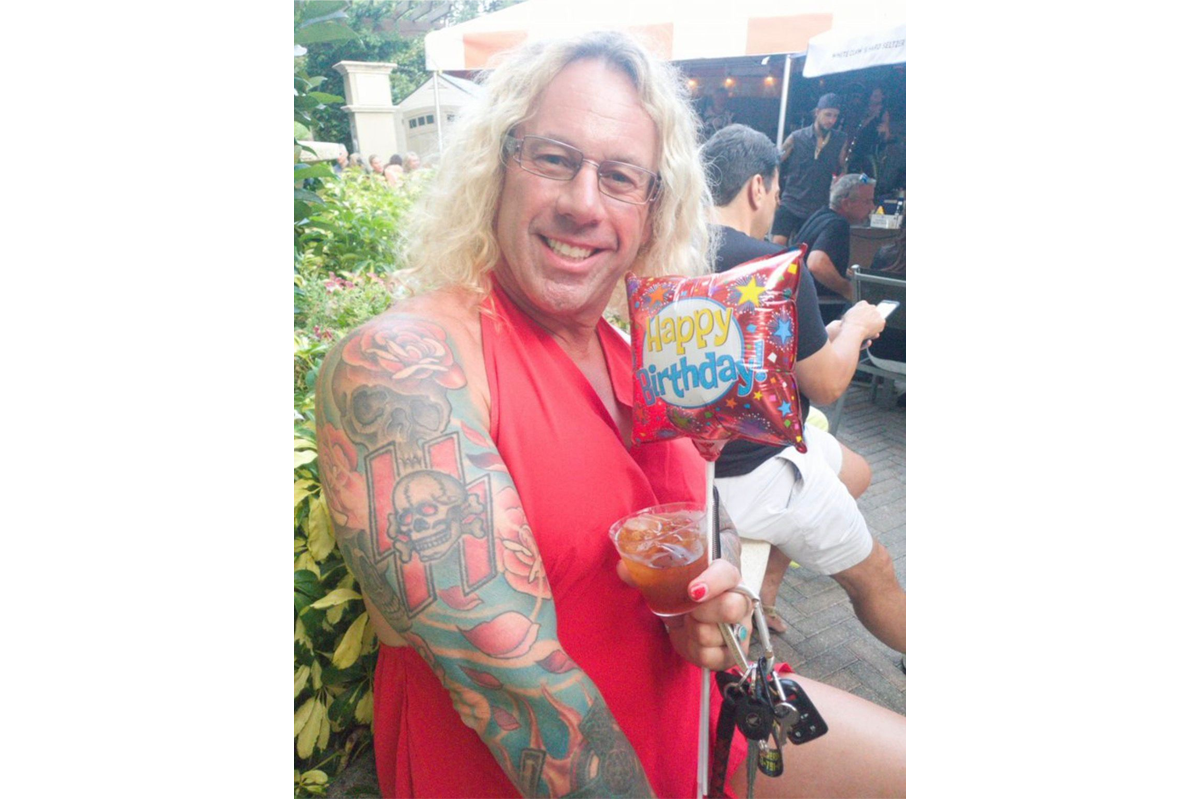
The latest “trans violence” was committed by a heterosexual man who went to a hockey game in Rhode Island and shot his family, then himself. His daughter described him as sick and mentally ill. Robert Dorgan, who preferred the name Roberta, is just the latest in a long line of violent people claiming to be transgender.
Last week, a 6ft 18-year-old boy, who wanted to be a “petite” woman, was identified as the main suspect in the worst mass shooting in Canada’s history. Last summer, a male called Robert Westman killed two children and injured many more at the Annunciation Catholic School in Minneapolis. The 2023 Nashville school shooter was a girl called Audrey, who identified as a man called Aiden. Snochia Moseley, who killed four people in Aberdeen, Maryland, in 2018, was a trans man, i.e. a woman who thought she was a man. The list goes on.
Each case prompts a furore. Various media organizations invariably accuse “right-wing outlets” of stoking hatred by pointing out that the killer’s confused sexual identity. But it’s important to remember that these stories are not really driven by identity, since trans identities don’t really exist. These are simply men who think they’re women, and women who think they’re men.
The point cannot be stressed enough: one cannot change into a different category of human. Attempting to do so can lead to a dangerous warping of an individual’s sense of self, and thus an appetite for destruction. In the case of killer men who dress as women, their testosterone does not evaporate simply because a government form has been amended.
The psychology of public violence has not changed because we’ve gone weak at the knees for zee/zi/zir
We should be able to ask what drives this trend without pretending that the crimes of these violent killers are different because of their preferred pronouns. When a man slips on a little dress, a badly fitting wig and some clip-clopping shoes, we are expected to act as if we don’t notice his shovel-like hands, his manly skull, his broad shoulders and everything else male about him.
The modern state may treat self-description as an act of courage that we must not doubt. But the psychology of public violence has not changed because we’ve gone weak at the knees for zee/zi/zir.
For decades, criminologists have documented the same pattern when it comes to mass killers: grievance, humiliation, perceived status loss, isolation, obsessive rumination and finally a violent act framed by the perpetrator as justified retaliation. Supposed identity does not change those patterns. In fact, some researchers believe identifying as trans is an indication of those patterns. Grievance, isolation, obsessive rumination? We know those same phenomena can lead people to question their identity.
Trans doesn’t exist beyond language. It means nothing. Political leaders amplify the language because it makes them seem virtuous. Activist organizations deploy it because it funds campaigns. Media outlets repeat it because they employ low skilled and inexperienced staff. The message, repeated often enough, is simple: you, the sex-confused individual, are under siege and anything you do in retaliation is justified. Actually it’s expected. The more performative the better.
A psychologically stable adult can navigate heated debates without reaching for a weapon. But when grievance takes root in an already fragile psyche, “words are violence” means “words must be combatted with violence.” If you are convinced that you are living in a state of persecution, then retaliation can feel like self-defense. History is replete with movements whose adherents believed they were striking back, not lashing out. These people think they’re the good guys.
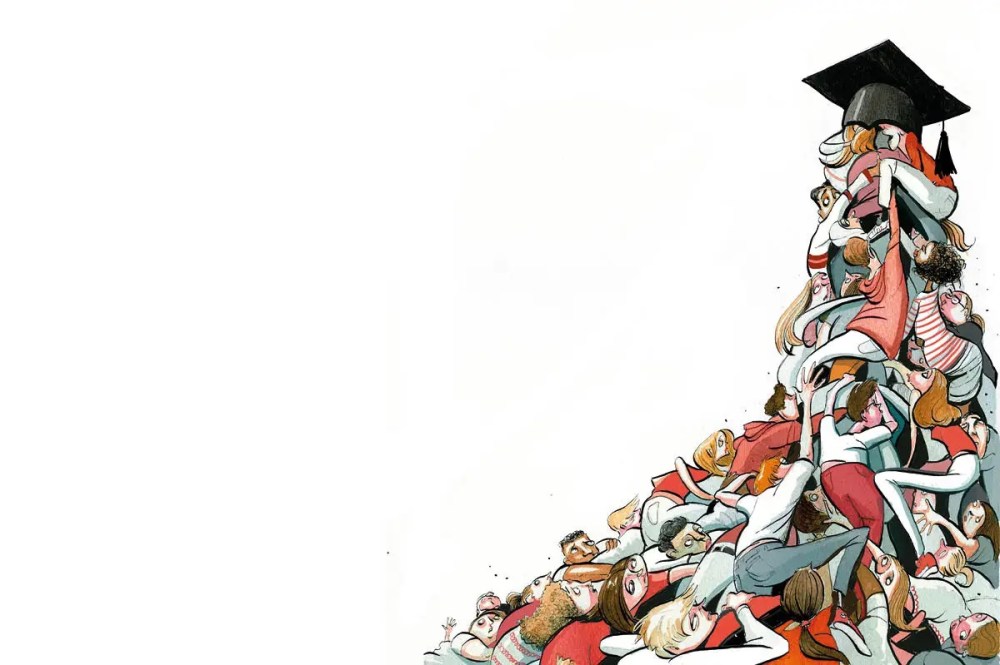
As somebody who campaigns against trans activists, I have seen how quickly moral certainty can metastasize into mob aggression. I’ve looked into the faces of the righteous. They looked pretty full of hate for good guys. The atmosphere thickens in a crowd convinced of its own virtue. Restraint starts to feel like betrayal and escalation like duty. Individuals cease to perceive themselves as aggressors. They genuinely think they are freedom fighters. Such people are cosplaying. They’ve seen similar narratives on 30-second TikTok videos and imagine they are the main character.
There is a medical dimension that deserves scrutiny. Clinical literature shows elevated rates of psychiatric problems among those with severe identity distress. This can be seen in rates of depression, trauma histories, autism spectrum traits, personality vulnerabilities, and patterns of self-harm.
Some of these people are prescribed combinations of psychiatric medications with known, if rare, side effects including agitation or impulsivity. In some cases involving females, they are injected with testosterone. Testosterone is not a murder switch but many women do report a change in how they feel, often emboldened and more confident.
It would be silly to think this doesn’t have enormous consequences on already disturbed women. Testosterone increases drive, competitiveness, and sensitivity to status dynamics. And a known side effect of cross sex hormones on both men and women is emotional irregularity and instability.
Given the growing prevalence of killers who are identified as trans, we should be asking the medical profession about the deadly side effects of cross sex hormones. Anyone who spends their life in cosplay, pretending not to be their own sex, is unstable. That is in no doubt. Feeling commensurate with our body is a fundamental part of being a grounded person.
Saying this is not to cast collective blame, nor does it require the invention of a new and sensational category of offender. The vast majority of people are not violent, whether they claim to be the opposite sex or not. However, we should not indulge the fantasy that choosing a different pronoun overrides biology. The magic dress may alter paperwork and public language. It does not rewrite the psychology of rage.






Comments