
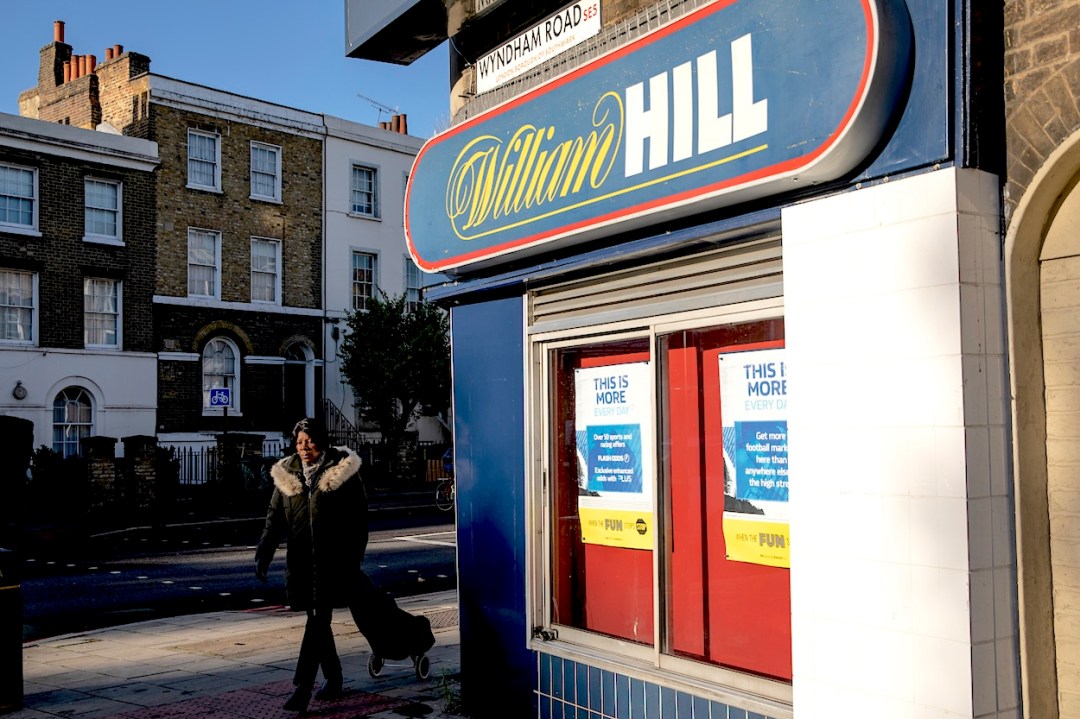
There was some confusion earlier this week when the government announced a ‘crackdown’ on betting shops, as part of its efforts to spruce up our high streets. Presumably, the term ‘betting shops’ was only being used because it is more emotive and easier to understand than Adult Gaming Centres (AGCs), which refers to those open-all-hours rooms of flashing, candy-coloured slot-machines. But that was what the government really meant, right? Sure enough, a senior figure familiar with the plans quickly assured me this was all about AGCs, as well as vape shops and barbers. Licensed bookmakers, not so much.
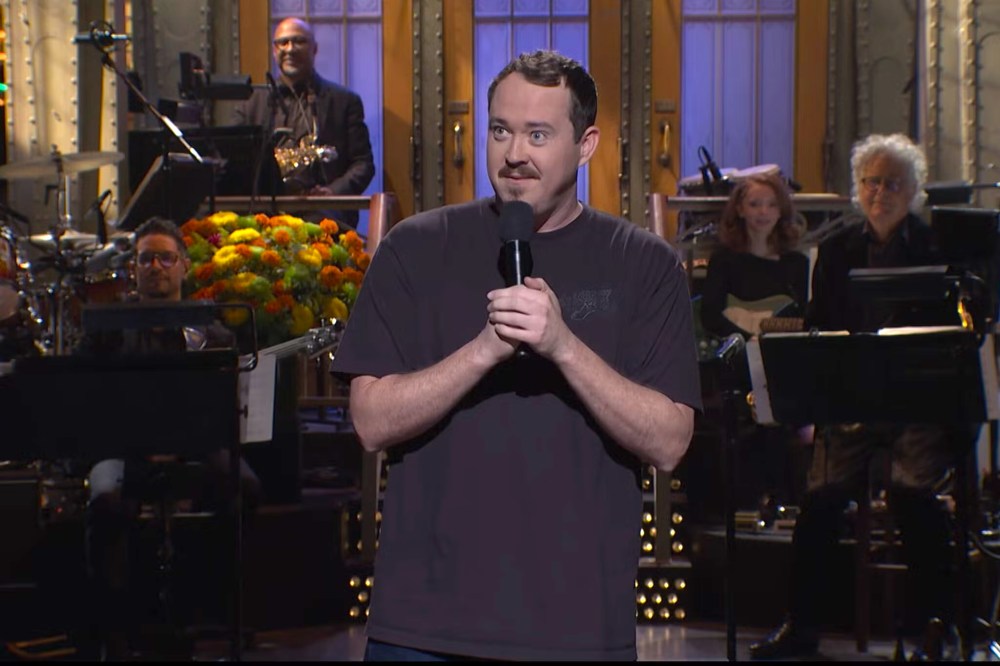
A few hours after the press release, however, Prime Minister Andy Burnham posted a video, in which he said: ‘Do you ever look at your high street now and think, who actually asked for this? Another vape shop, another betting shop, an adult gaming centre…’ It was now pretty clear that Burnham really did mean betting shops and not just AGCs. When I sent the video to that senior figure, they simply replied: ‘Goodness.’
They had every right to be surprised. As Guido Fawkes reminded people, in October 2020, during Covid, then-Mayor of Manchester Andy Burnham had offered a stout defence of bookmakers: ‘Let’s be clear who is most affected by a Tier 3 lockdown: it is people working in pubs, in bookies, driving taxis. People too often forgotten by those in power.’
Those same people would no doubt rather they had been forgotten, left alone, for they are the victims of a sustained and vicious assault on gambling. Crudely, because this war goes years back, it started with tax rises on the industry in Rachel Reeves’s Budget last year; then in July, against opposition from all sides, the Gambling Commission pushed ahead with affordability checks; and now the government wants to prune betting shops from the high street and make it harder for new ones to open.
Frankly, it needn’t bother: the number of betting shops in the UK has declined from 8,882 in 2015 to 5,872 in 2025. As Vaughan Lewis, who writes about gambling and horse racing on Substack, puts it: ‘[This is] a policy justified by proliferation, aimed at a sector in retreat.’ These supposed bogeymen of the high street are actually looking nervously over their shoulders.
Burnham, then, is doing politics by vibes, with complete disregard for the truth. But he can’t ignore the consequences of this prohibitionist zeal. Betfred recently announced it will close 132 shops from September and cut 600 jobs; more than one in five William Hill shops have closed in the last 12 months. Both point to tax rises in the Budget. More will surely follow.
Now you might think that the Labour party would care about job losses in working class towns and cities. But Dawn Butler, MP for Brent East and a prominent anti-gambling campaigner, can hardly contain her excitement. She has been posting bouncy videos on social media about how high streets, free from the scourge of bookmakers, will be filled with independent shops and restaurants. Again, just vibes.
There are already 70,000 empty shops in the UK; if people really were clamouring to open businesses on our high streets, they could take their pick. Perhaps the hike in employers’ National Insurance contributions, introduced by the Labour government in which Butler serves, or the rise in business rates, is putting people off. It certainly isn’t lack of space. I can hardly believe this needs saying, but you can’t regenerate an area by shutting down businesses and axing jobs. A closed bookmaker does not mean an open bakery, however much you might wish it were so.
We know this campaign against the gambling industry isn’t really about improving the high street – the numbers prove that. And we know it’s not about harm reduction – the Gambling Commission has been warned time and again that affordability checks will result in a rush to the black market, which is untaxed and unregulated. No, it’s ideological. It’s about trying to control how people choose to spend their money. It’s about that particular squeamishness the left now feels towards working-class people and their interests. Prominent anti-gambling campaigner Matt Zarb-Cousin slightly gave the game away this week when he admitted: ‘I would prefer people didn’t gamble at all in the first place to be honest.’ So now we know: the end point is a total ban on gambling.
A senior industry source tells me: ‘You’ve got a campaign movement that will not stop until there’s a new Gambling Act and severe restrictions on a legal activity the Culture Secretary insists brings joy to millions. Since 2023, we’ve had stake limits, financial checks, affordability checks and a £100m statutory levy that’s sparked an unbelievable gold rush among the antis.
‘And now we have Labour MPs comparing bookies with trash and laughing at the idea of thousands of hard-working people losing their jobs. It’s not exactly hope in every postcode.’
This campaign is ideological, it won’t stop until the gambling industry is destroyed
The death of high street bookmakers would be a tragedy for communities. Go into a betting shop and see for yourself. It’s mostly elderly men, reading the paper, chatting over a coffee and having a few quid on the horses. Forget the argument that vulnerable people are feeding their wages into Fixed Odds Betting Terminals (FOBTs): a £2 limit was introduced in 2018. The scaremongering about betting is simply not rooted in reality.
But that is exactly the problem. Because this campaign is ideological, it won’t stop until the gambling industry is destroyed. It’s not about fixing this or improving that. For the gambling prohibitionists, nothing less than total victory will be enough. The next step, under new gambling minister Vicky Foxcroft, will likely be a big push for a ban on gambling advertising during live sport. Once that’s done, there will be a new target.
And what about the punters, the millions of people who enjoy having a flutter? No one in this government seems to care what they think. Collateral damage. Discarded like an old betting slip.





Comments