This past week has shown that, when discussing the colour of eggshells, we need to walk on them. Sainsbury’s has announced that it is phasing out brown eggs in favour of white because the latter have a 12.7 per cent lower carbon footprint. As suspiciously precise as that figure is, it caused some commentators to rant that net zero madness is just a cover for cost-cutting. White hens lay white eggs and eat less feed, which in turn reduces emissions, so what’s everyone getting scrambled up over?

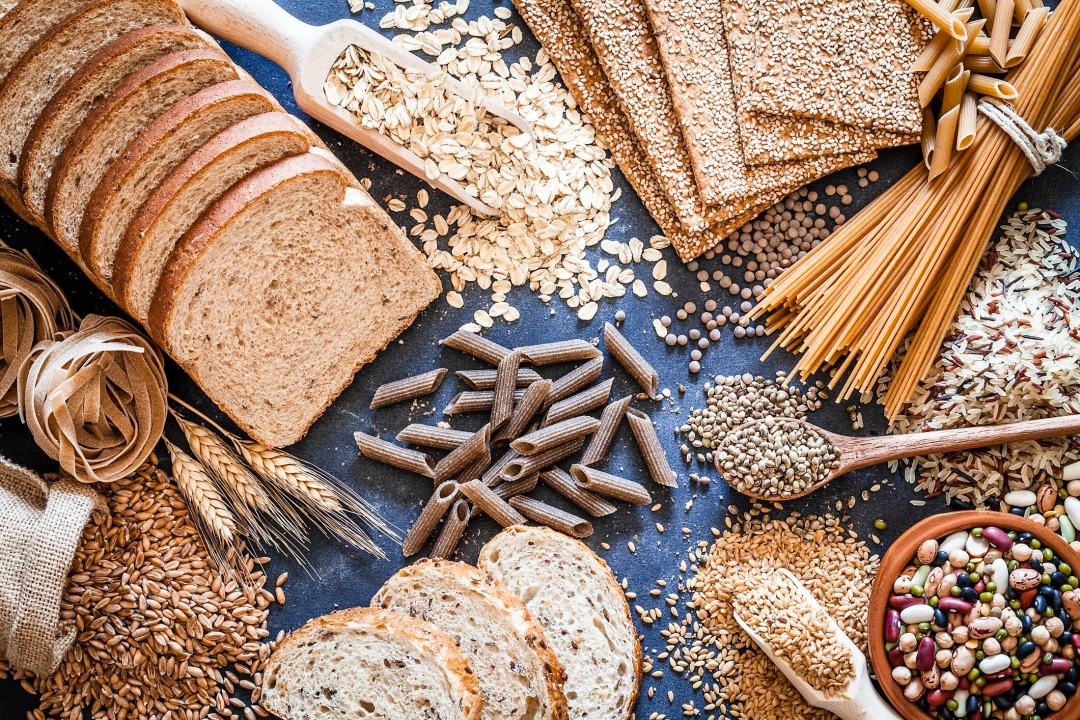
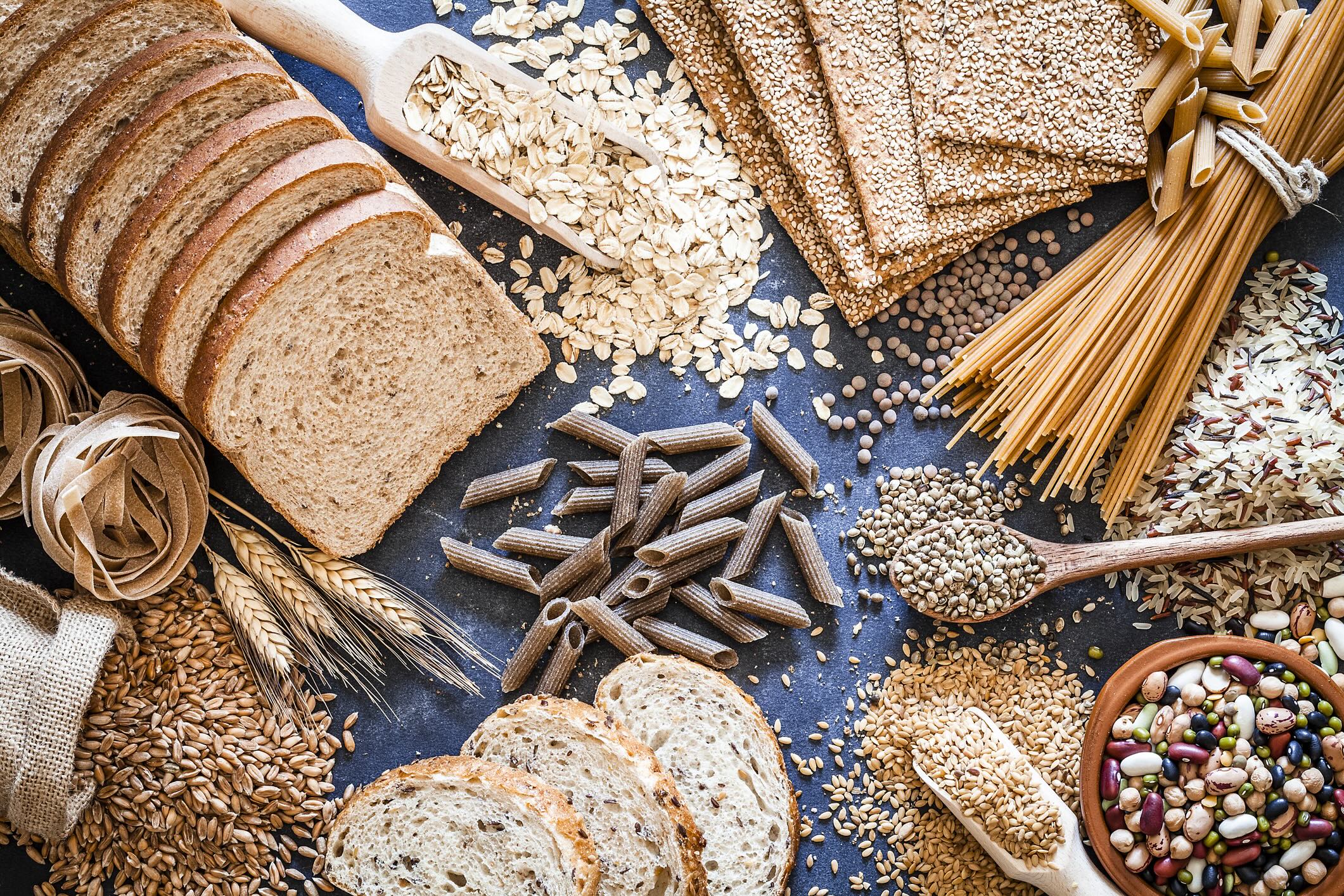
However, buried in the original press release is a throwaway admission that Britain only switched to brown eggs in the 1970s because they were ‘perceived as more natural’. Even Queen Elizabeth ‘favour[ed] brown eggs, believing that they taste better’. The 1960s and 70s were an era of hippies, weed, free sex, dreadlocks and dubious cosmologies. This was when the wholefood movement came to fruition and is why we have spent the past half-century thinking that brown food in general is more natural and healthier for us.
For centuries, brown food – boiled into a mush, pottage or gruel – was the food of the poor. Struggling artists and musicians in the 70s made their poverty seem cool, disruptive and like an ascetic choice. Marc Bolan, of T. Rex, was a proponent of the macrobiotic trend, but journalist Caroline Boucher described his meals as ‘brown mulch’ that stuck out ‘for their memorable horribleness: sticky brown rice, lentils, watery vegetables’.
The period also birthed the UFO Club – said to be London’s first psychedelic nightclub – which gave Pink Floyd some of their early gigs in the 1960s and whose macrobiotic food was supplied by ‘brown rice barons’ Greg and Craig Sams, the latter of whom went on to found Green & Black’s chocolate. In this countercultural world, ‘brown’ food came to mean unrefined, anti-industrial and socially superior.
To be fair to the tie-dye aficionados, they weren’t celebrating beige convenience food but food that often has marginally more fibre than its rivals. Unfortunately, bad ideas were born or spread through these communities – the macrobiotic or ‘yin and yang’ diet being one of the worst. Yin foods are cold, whereas yang foods are hot, not unlike the long-abandoned medieval European theory of humours. In its strict forms it prescribed a diet of 60 per cent, or sometimes almost entirely, brown rice. It was falsely believed to cure cancer and has been linked to deaths from malnutrition.
Most of us now ignore these ideas, but the intuition that brown is best remains and influences many of the choices we make to this day. Take brown versus white eggs. British Lion states plainly that there is no nutritional difference between brown and white eggs nor any difference in flavour that survives a blind test. The British Hen Welfare Trust is blunter still: an egg’s colour ‘bears no real relevance’ to how the hen that laid it lived. Instead, it stresses, ‘buying free-range is the single most important decision consumers can make’.
Then there is white flour, commonly thought to be bleached. From the 1920s, flour was indeed treated with agene, a nitrogen trichloride gas used to bleach and ‘mature’ it. It later emerged that agene-treated flour gave dogs ‘running fits’ and ‘canine hysteria’. Go back further and it’s worse. Victorian bakers used alum to whiten bread and improve its volume, and when Frederick Accum exposed this in 1820, the cover of his treatise included the Old Testament warning: ‘There is death in the pot.’
The idea that white is somehow less natural because of its colour is simply wrong
Bleaching has been illegal in Britain for decades and yet the public perception persists. Wholemeal bread does have more fibre than white, an important part of any diet, but the idea that white is somehow less natural because of its colour is simply wrong.
Brown rice is the ‘brown is best’ camp’s strongest hand – owing to more fibre and a slightly lower score on the glycaemic index. Even there, though, any protection it offers against diabetes melts away in controlled trials.
Brown sugar is the biggest swindle of all: soft brown is refined white sugar with molasses stirred back in. Unless you go for muscovado, brown sugar is just white sugar in a Barbour jacket.
It is perhaps time, then, for a counterculture to the counterculture. The flower children of the 60s and 70s rebelled against the increasingly industrialised food of their era and challenged many assumptions we had previously made. But they also handed us a mysticism of their own, equally unexamined. Fifty years on, we are still choosing the browner, supposedly more natural, option, without knowing why; but the truth is the colour tells you very little and, when it does, the something is usually a little more fibre.
The answer is not to swing back and fetishise white instead. It is to stop picking food the way we pick paint from Farrow & Ball. Buy what you buy because you know what it is. So perhaps Sainsbury’s is on to something, and it’s high time our habits were cracked.






Comments