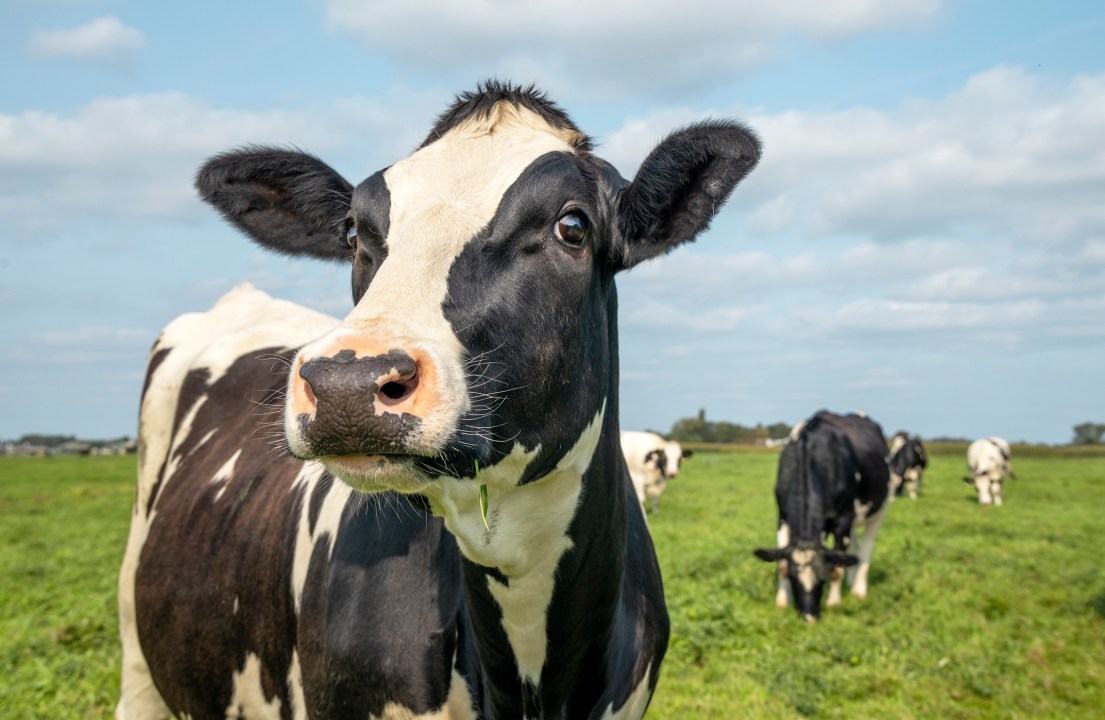
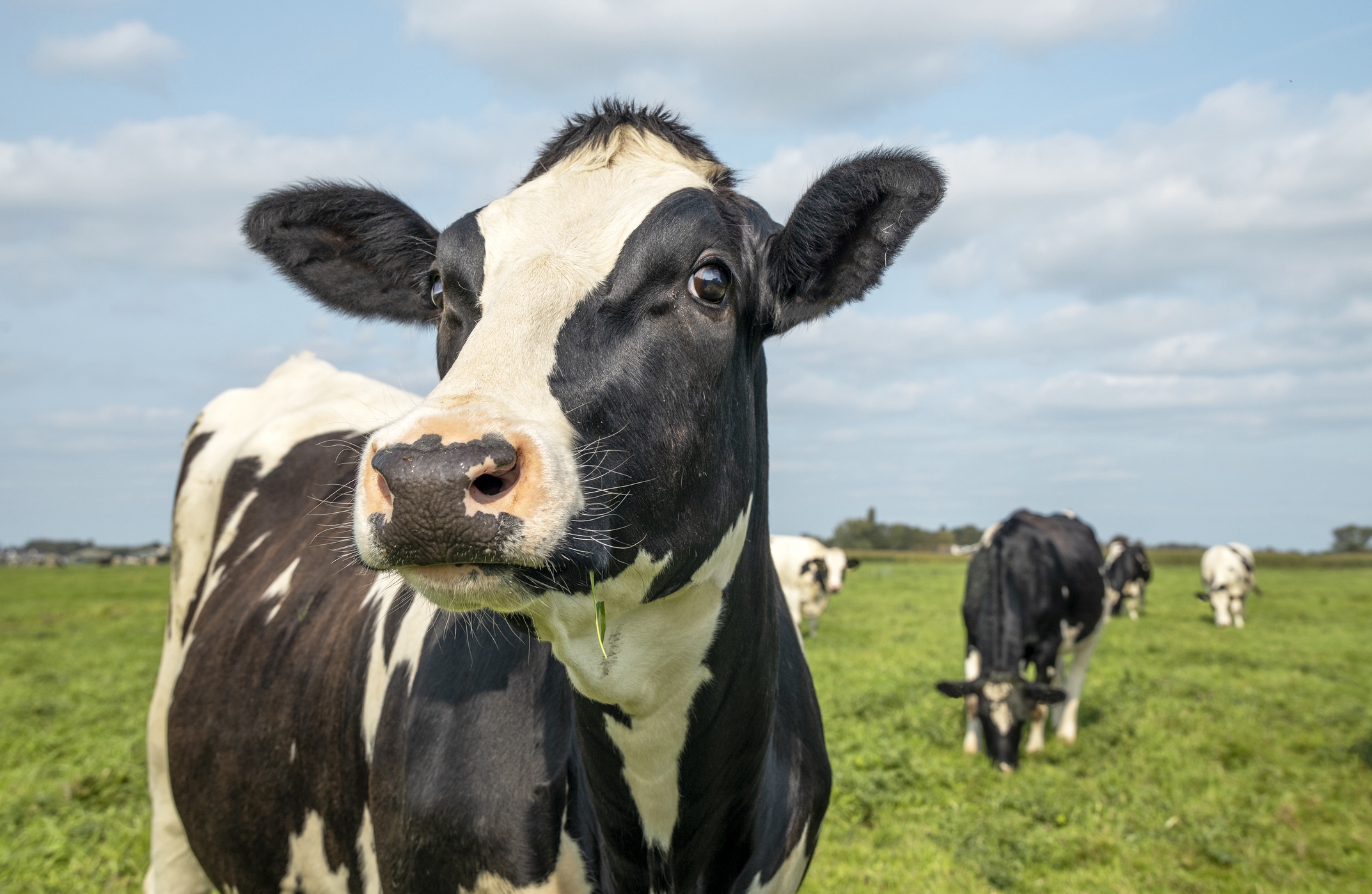
A farmer in Derbyshire is going to make his cows uglier to try to deter modern agricultural impostors. These impostors are neither foxes nor badgers but social media influencers who keep showing up to film content with his animals.

They arrive in waves. On one occasion, dozens surrounded Alex Birch’s herd at the edge of a field. Another time, a yoga teacher unfurled her mat and filmed a class beside the cows, as though they were props in a bucolic stage set. Wearied by the intrusion, Birch now speaks of crossbreeding his Highland cows to make them ‘less photogenic’.
A nature reserve in Kent had to remove Highland cows when a ‘flood’ of camera-wielding visitors began to arrive not to commune with the creatures, but to film them, package them and upload them. The Highland Cattle Society has urged people not to treat cows as ‘selfie props’ and the Scottish Society for the Prevention of Cruelty to Animals said that, although cows are often seen as ‘approachable’, they’re ‘still large, powerful livestock animals’.
When I last wrote about cows in these pages in 2024, there was a confected panic about them killing us. ‘Are these the UK’s most dangerous animals,’ the front page of the Guardian had wondered, while the Daily Star called them ‘mooing killers’. Amid the hype about pastoral predators lurking in every field, I pointed out that cows in England, Wales and Scotland killed an average of around five people a year, but humans slaughter 2.78 million cows a year. It is not difficult to see where the greater violence lies.
Cows are my favourite animals. There is something in their presence that feels maternal and sacred, as though they carry a whisper from a gentler world. They graze, they rest, they exist without the frantic need to prove themselves. Stand among them and something in you softens. It’s like being reminded of a divine pulse you didn’t realise you had forgotten.
At least once a week between March and September, I visit a large herd of them who graze on common ground just up the road from me. Over the years they’ve gone from tentatively approaching me after much curious staring on their part, to bouncing along to see me as soon as I arrive. These are great days. I bring no treats; I prefer something quieter, less transactional. I watch them instead, learning their differences: the steady observers, the playful nudgers, the ones who lean in with a kind of open-hearted longing.
A yoga teacher unfurled her mat and filmed a class beside the cows
I also regularly visit the cows at the Bhaktivedanta Manor temple near Watford, which includes a cow protection ‘goshala’, and at various animal sanctuaries, one of which named a male calf after me, in recognition of an article I wrote for the Guardian in 2017, which exposed serious cruelty in the dairy industry. The other Chas is now living his best life near the seaside in Kent.
Although I might take a quick photo while I’m with cows, my interactions with them aren’t about social media content, they’re about presence, about the quiet exchange of something like trust. To rest your head against a cow, to feel their steady warmth, is to encounter a small, wordless grace.
But they are large, heavy, and somewhat unpredictable animals that can attack when they feel threatened, protective, or startled. You might unsettle a cow without intending to and if you’re in the middle of a field when that happens, you might be in for a spot of bother. They typically weigh well over 1,000 lbs and even if they’re not meaning to be aggressive, a freaked-out cow could easily trample or crush you, resulting in broken bones or death.
It’s not just safety that should deter you. I think that visiting cows to coo over how cute they are is a curious move for anyone who eats meat or dairy. Cows have a natural lifespan of roughly 15 to 25 years but they’re typically slaughtered between 18 months and six years. During the last minutes of their abbreviated lives, they tremble and cry as they smell the blood of their relatives before their turn comes for the bolt gun and the knife. Cows suffer particularly on dairy farms, where farmers callously separate mothers from their babies.
If neither risk nor reflection dissuades you from visiting cows, then approach them with care and mindfulness. Move slowly. Keep your distance from their young. Avoid bringing dogs and always remain aware of your exit point from the field. And if, in their company, you feel something – some quiet pull toward their calm, their kindness – then pause with that feeling. Let it linger. Perhaps even remember it next time you’re doing the food shop.





Comments