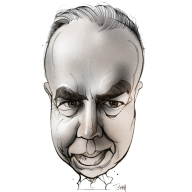


You’ve got to hand it to Andy Burnham. The world is on fire, the country is in a mess, but he has a knack of seeing through the chaos, and alighting on the smallest things to offer new hope. That is why he has chosen now to highlight the government’s plans to stop loud music, vaping and littering on public transport by issuing fines of up to £1,000.
This presumes, at the very least, that the idiots involved in these acts of noise pollution can read, or that they’re bothered in the slightest about the impact of their behaviour on others
Burnham, with his finger on the pulse of the public’s real concerns, said: ‘We’ve all been on the train when someone starts blasting music or videos from their phone. It gets on your nerves and can quickly spoil the journey. So, we’re launching a nationwide campaign reminding passengers to use headphones on trains. On top of that, we’re giving local leaders new powers to tackle loud music, vaping and littering on buses. It’s a simple thing, but one that will make journeys that little bit better for all of us.’
It is all about the small things in life, the ‘breathing space’ the Prime Minister believes voters need. Ministers won’t thank you for pointing out that the Conservatives proposed the enforcement of fines to crack down on loud music being played on public transport last year.
So, what are the details? The government campaign will tackle the problem of ‘loudcasting’, the playing of loud audio without headphones in public spaces. Public notices will be plastered everywhere, encouraging passengers to ‘share the carriage, not the noise’. Good luck with that. It presumes, at the very least, that the idiots involved in these acts of noise pollution can read, or that they’re bothered in the slightest about the impact of their behaviour on others.
Audio reminders of the rules will be promulgated across the rail network (thereby adding to the already irritating and interminable other loudspeaker announcements that plague train journeys). Those who refuse to comply could – the operative word here being ‘could’, rather than ‘will’ – face prosecution and fines of up to £1,000. It is not just trains that are to be targeted. On buses, the guilty culprits could face fixed penalties of up to £100, issued by councils, for nuisance behaviour. Why are the fines lower for noise disruption on a bus than a train? Don’t expect an answer any time soon. Bus drivers have been reassured that they will not be responsible for enforcement. The responsibility will instead lie with specialist transport safety officers, and the police, to deal with incidents. Again, good luck with that. Has anyone ever seen a safety officer, let alone a police officer, during their journey? How is any of this going to work?
There is more. Those enforcing the rules would use a three-step approach: engaging with the offender, explaining the rules and their effect on other passengers and taking action if they refuse to comply. This assumes, at the very least, that the person causing the racket can actually be bothered to stop Facetiming or playing video at full blast, while having the rules explained to them. What if they react violently or accuse officers of targeting them unfairly? Will there be extra money made available for more police officers? I doubt it. Will there be a new bus police Stasi to crack down on offenders? No, the fines are to be dealt with in the same way that any rule or law is enforced, according to ministers. In other words, hardly at all.

I suppose, to be fair, the best that can be said is that this is an attempt to do something about the growing menace of widespread antisocial behaviour. You have to make a start somewhere. And, yes, if these new powers are properly and visibly enforced, they might well go some way towards making travelling on public transport safer – and more bearable – for everyone. It is a big if, though, and no one should hold their breath. Andy Burnham has an uncanny knack of saying things that sound good, determined to show voters that he is a leader who really cares. The measures targeting noise disruption on buses and trains are just the latest example of this strategy at work. But voters could do with hearing a lot more from the Prime Minister on his detailed answers to the big and important challenges facing the country.




Comments