Long gone is the time, towards the end of the last decade, when we all laughed off ‘safe spaces’ as the latest, neurotic fad confined to university campuses. Few are laughing now, because in the ensuing years, as this risk-averse mentality has trickled down into mainstream society, the belief in the primacy of ‘safety’ is having outcomes that are proving ever-more authoritarian, frightening and – ironically – dangerous.
Students who grew up with ‘safe spaces’ have become today’s narrow-minded adults
The decision last week by the British Museum to postpone a Jewish Culture Month event, citing its responsibility to guest speakers to ‘proceed safely, securely and without intimidation’ is a case in point. This incident followed a now depressingly familiar pattern, of events featuring Jewish speakers, or centred on Jewish themes, being abandoned out of cowardice, out of fear of what far-left activists or Islamists might do. In September last year, the Bristol Brunel Academy postponed a visit from Damien Egan MP due to planned protests by pro-Palestine activists. After Egan’s visit was halted, the Bristol Palestine Solidarity Campaign hailed it as a ‘victory for parents, teachers and the community’. Or in other words: a victory for mafia-like intimidation.
We have observed the same pattern when it comes to those being cancelled owing to their gender-critical opinions, or in the case of Kathleen Stock, leaving their job altogether because they feel their employers weren’t giving them enough protection from the mob.
There’s nothing new, of course, in capitulating to bullies, however you dress it up. What is novel is the emergence in the past ten years of refusing to countenance the mere presence of a person – and the likelihood of having him or her open their mouth, on the excuse that it might make people ‘feel unsafe’.
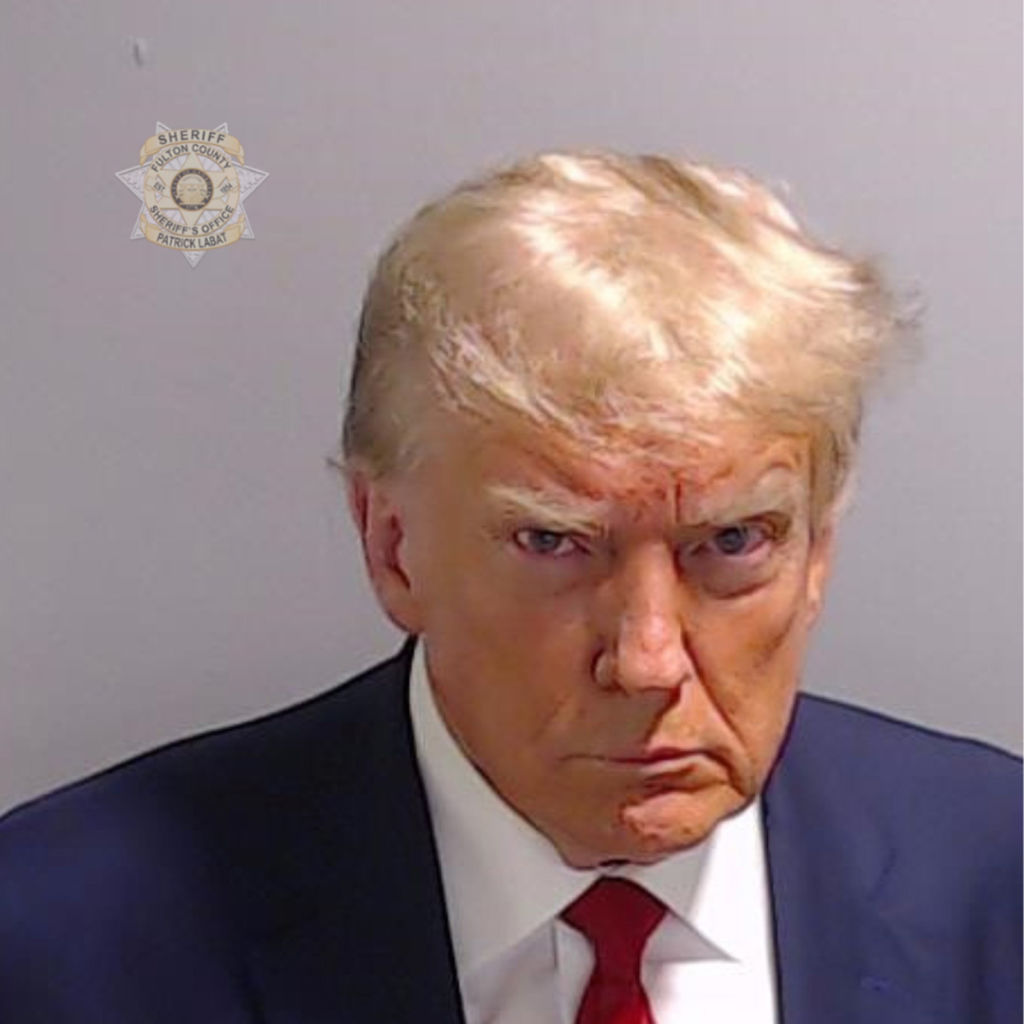
We saw this development again at the weekend, with the allegation that Nigel Farage has been ‘banned’ from appearing on Desert Island Discs. In his new biography, Lord Ashcroft claims that the Reform UK leader has been effectively barred from appearing on the Radio 4 programme, because it would make staff feel ‘unsafe’, with producers also fearing a consequent boycott from other potential guests on the show. The Corporation denies the allegation and has said it is happy to consider inviting the Reform leader for a future series. The BBC said: “We do not ban any individuals from appearing on Desert Island Discs and that includes Mr Farage.” Yet it does seem odd that such a recognisable figure as Farage has never appeared. Ashcroft quotes a BBC source who says that Farage ‘has effectively been blacklisted’, adding that at least ‘half the staff would think Radio 4 had become an “unsafe space” if he was on Desert Island Discs.’
Using the pretext of ‘safety’ – or the associated avoidance of causing offence, or hurting people’s feelings – in order to silence others has been a conspicuous trait of hyperliberalism. And it is this particular concern for feelings and safety that is behind wokery’s intolerant nature and consequently the authoritarian direction our society has taken since the turn of the millennium.
Whether it be the introduction of hate crimes in the first decade of this century, the rolling out of non-crime hate incidents in the 2010s, or plans to introduce laws and recommendations to punish ‘Islamophobia’ in more recent years, primacy has been consistently afforded to people’s feelings and subjective perceptions.
This preoccupation with emotions has been consistent with wokery itself, whose origins can be found not just in the postmodern theory that was in vogue in the 1990s, but in the therapeutic turn the West took in that decade, the era when we were exhorted to ‘get in touch with our feelings’. This was the time when some of us also started to notice the phrase ‘I find that deeply offensive’ commonly rolled out as if it were a rational counter-argument, rather than an expression of personal distaste. Thus began our era of loud, confessional, victimhood politics, in which the personal had become the political, when any disagreeable opinion could be shouted down – in the emotive and self-righteous manner of a guest on The Jerry Springer Show – with the cry ‘how dare you say that!’
You can gauge how profound this cultural shift has been by seeing how the language used by British Muslims has altered accordingly. Back in 1989, some of their numbers in Bradford took umbrage at The Satanic Verses because they deemed it blasphemous and insulting to the Prophet Muhammad. In 2021, when a teacher in nearby Batley showed a caricature of the Prophet, community leaders couched their complaints in terms of ‘safety and well-being’ and of the school authorities’ failure in their ‘duty of safeguarding’. Our dysfunctional culture has been weaponised against us.
Those students who grew up with ‘safe spaces’ have become today’s narrow-minded adults. These are the cosseted elite who have known little else but their cosy intellectual echo-chambers, a class who have become so unaccustomed to hearing challenging opinions from an outsider that they threaten to throw a wobbly at its mere prospect. Or, failing that, tearfully threaten to silence the nasty man altogether.



Comments