

I have a suggestion for those opposed to Project Spire, the Church of England’s plan to put £100 million into an investment fund to benefit those communities ‘affected by historic slavery’. Bear in mind that none of the arguments against it has had an impact to date. Suggesting that this money would be better spent repairing roofs and stained-glass windows has left the Church Commissioners unmoved. Trying to assuage their guilt by pointing out that the Church’s financial investment in the transatlantic slave trade was negligible – and yielded a loss, not a profit – also falls on deaf ears. So why not club together and pay for a trip to Zanzibar instead?
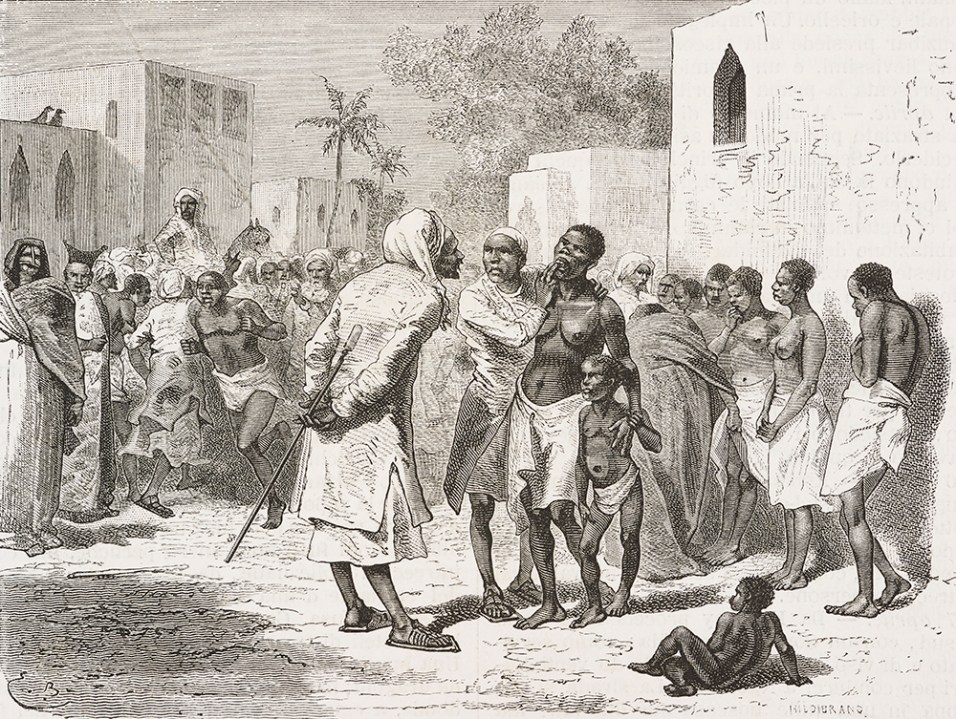
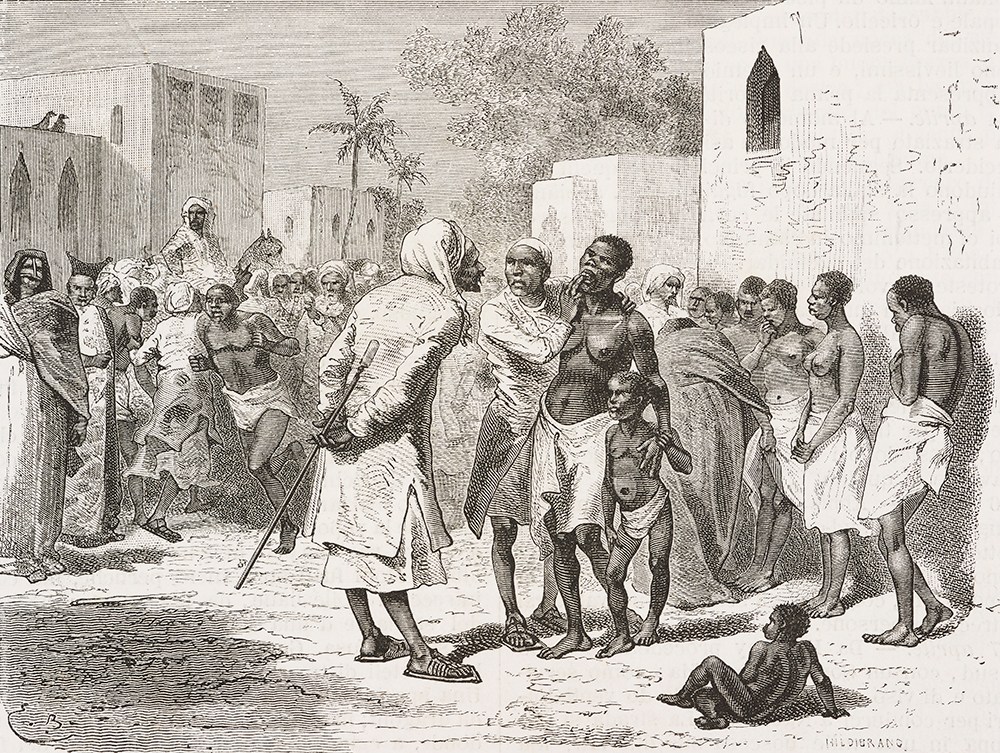
I’ve just returned from the East African archipelago, which was a slave trading hub in the 18th and 19th centuries, and was struck by how well-disposed the locals are to the British, particularly the Anglican church. On a family trip to a spice farm, our guide lit up when he discovered we were from the UK and told us that Zanzibar was far better off as a British protectorate from 1890 to 1963 than it had been under Omani or Portuguese control. He was particularly effusive about Edward Steere, the third Anglican Bishop of Zanzibar and a prominent abolitionist, who arranged for the purchase of the former slave market in Stone Town, Zanzibar’s capital. In its place he built a cathedral, cementing his status as a local hero. Admittedly, the C of E didn’t actually pick up the tab – the land and building were paid for by the Universities’ Mission to Central Africa. But the notion that the Church should pay reparations for its complicity in the slave trade would come as a shock to Bishop Steere.
The museum didn’t produce a sense of national self-loathing as slavery exhibits in English and Scottish museums are designed to do
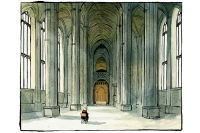
We visited the Cathedral of Christ Church, often referred to as the ‘slave market church’, which stands as a monument to Anglican abolitionists. Steere himself is buried behind the altar, while beneath a window is a large gold plaque memorialising David Livingstone and ‘other explorers… who set free the slave’. A wooden cross made from the tree that grows next to Lake Bangweulu in Zambia, where Livingstone’s heart was buried, sits in the chancel.
Next to the cathedral is a small museum devoted to the East African slave trade that, among other things, pays tribute to the Royal Navy’s West Africa Squadron, which was established in 1808 to enforce the ban introduced by the Slave Trade Act a year earlier. A photograph in the museum shows the captain of a ship surrounded by freed slaves with an African child sitting on his shoulders. The only duff note is struck by the accompanying text which says Britain’s commitment to abolishing slavery was ‘ironic’ given that it established the transatlantic slave trade in the first place. In fact, it was Portugal that first started transporting enslaved Africans to Europe in the 1440s, with Spain expanding the trading routes after colonising the Americas in 1492. Yes, the British dominated the trade in the 18th century, but we didn’t start it. On the contrary, we paid a heavy price to end it, with 1,600 sailors in the West Africa Squadron losing their lives in the 60 years it spent patrolling the seas, intercepting slave ships.
Visiting the museum was harrowing, particularly reading the witness accounts of the Arab caravans that transported the slaves sold by East African chiefs across vast distances, with many dying on the way. But it didn’t produce a sense of national self-loathing as slavery exhibits in English and Scottish museums are designed to do. On the contrary, it strengthened your patriotism. ‘I feel proud to be British,’ said my most thoughtful son when we left the museum.
Would a visit to the archipelago have the same effect on the Church Commissioners? One would hope so, although I daresay they’d decline the invitation. They’ve stubbornly refused to engage with my friends Nigel Biggar, Charles Wide and Alka Sehgal Cuthbert, who demolished the rationale behind Project Spire in a Policy Exchange paper published last year. It’s hard to avoid the conclusion that this hand-wringing gesture is not based on a careful analysis of the evidence and is just an exercise in performative self-flagellation.
The poor misguided Commissioners probably think that committing £100 million for the descendants of slaves – although not to Europeans captured by Barbary Pirates, obviously – will make the Church more popular. In fact, the only resurgence in Christian worship is taking place on the right, not the left. If the Archbishop of Canterbury visited Zanzibar, immersed herself in its history, then announced the abandonment of Project Spire, it might actually trigger a national revival in church attendance.



Comments