The French and British have always enjoyed disapproving of how the other eats. Take the British office worker often seen demolishing a meal deal at his desk, whereas in France, eating at your desk is (in theory) illegal; in 1894 French ouvriers were banned from eating in the workplace, owing to phosphorus contamination in match-making factories, and the law stands today, only briefly suspended during Covid.

But on closer inspection, the two nations are more similar than we like to admit. The earliest French women’s strikes were a response to that very law, demanding the right to eat at work, since being turned out into the street at lunch left them exposed to harassment. So maybe on the pause déjeuner, we have a détente.
Today, the meal deal is a British moment that feels as old as the hills. You nip to Tesco with your Clubcard and secure a snack, main and drink for the bargain price of £3.85. Recently Tesco announced they would add a breakfast offer to the line-up at £5.50. But how long has the meal deal been with us?
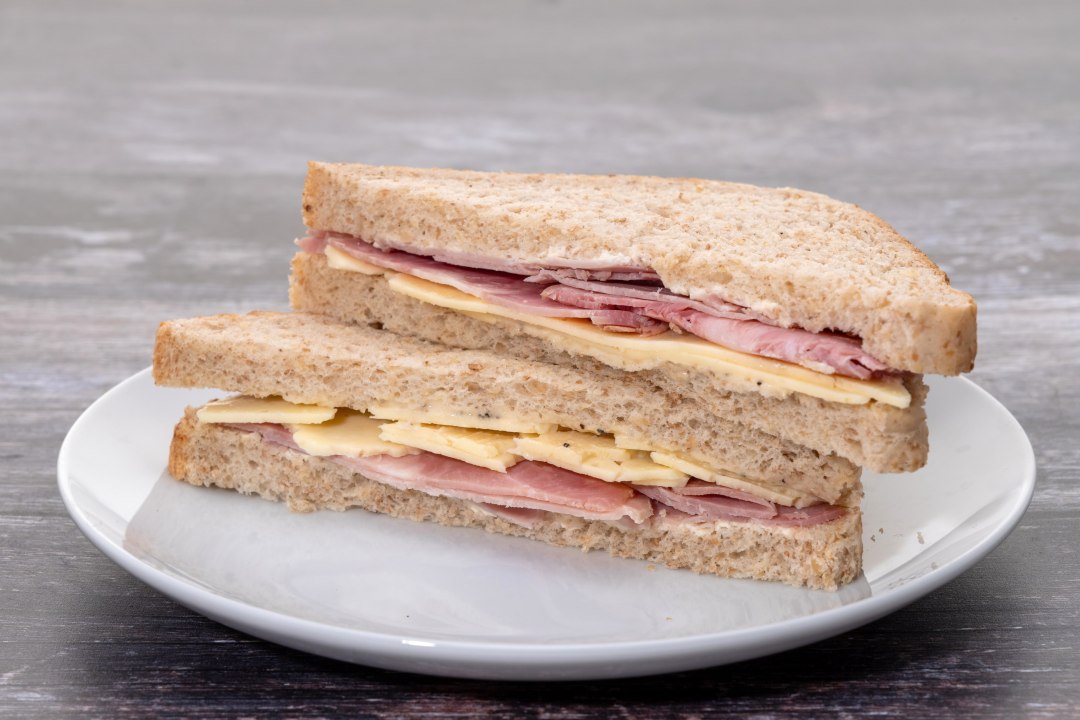
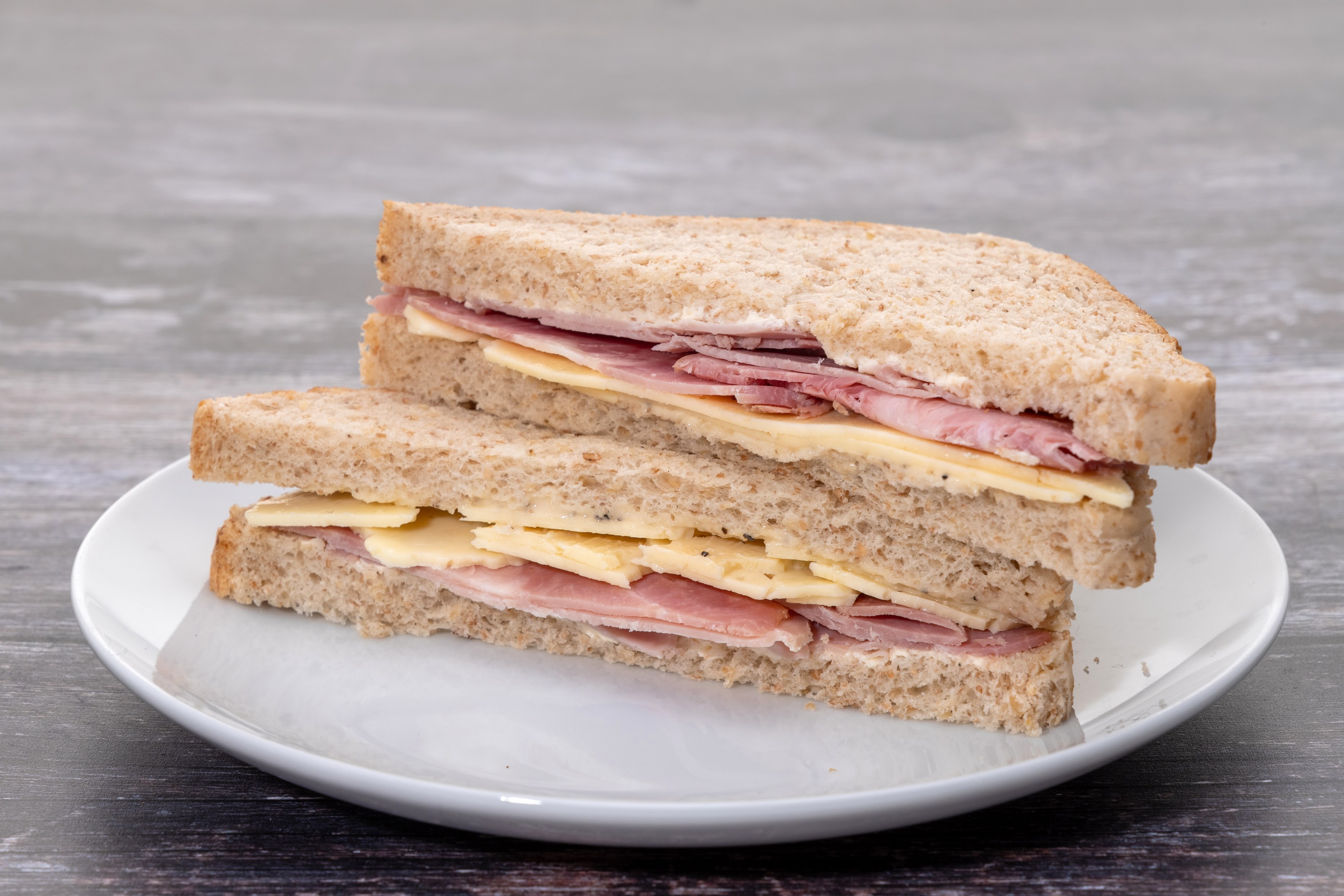
The main component is the sandwich, and you have probably heard the rumour: the Earl of Sandwich, needing a convenient bite whilst gambling, asked for a filling between two slices of bread. The sandwich was born. The historian N.A.M. Rodger thinks this rests on a dubious anecdote; it is more probable that an overworked Cabinet minister was eating at his desk to save time.
Convenience is nothing new, and it soon spread out of the workplace thanks to the railways. The Great Western Railway mandated a ten-minute stop at Swindon from 1842 so passengers could eat and drink. Isambard Kingdom Brunel was frequently conveyed through, and washed his hands of the place, writing that the coffee tasted of ‘poor roasted corn’.
It was only later, during the Second World War, that the state stepped in to provide cheap, nutritious meals, and a token system first emerged. First called Communal Feeding Centres, then renamed British Restaurants when Churchill complained the original sounded communist, they served hot, off-ration food. You could get a meat-and-two-veg main, a pudding and tea for around a shilling, from such delicacies as skilly soup (thin gruel), whale meat and spotted dick. And, in a nod to the sector that now dominates the meal deal, this was the brainchild of Flora Solomon, the first woman hired ot improve working conditions at Marks & Spencer in the 1930s.
Creeping closer is the post-war luncheon voucher, introduced in 1946. It made part of an employee’s lunch money tax-free, to be spent in participating canteens and cafés. By 1948 it was worth 15p a day, but the sum was never raised, so by 2013 it had dwindled to something ‘trivial’ and was abolished. Amusingly, it was claimed that Cynthia Payne, the Streatham brothel madam, accepted luncheon vouchers from clients as payment.
There was even an invented lunch along the way: the ploughman’s, of bread, cheese, pickle and beer. Taken at first for a return to some medieval picnic we had fallen out of the habit of during rationing, it was in fact a romantic confection by a cheese marketing board trying to shift more product. This made-up history is skewered in Ian McEwan’s screenplay The Ploughman’s Lunch (1983), starring Jonathan Pryce and partially filmed at the 1982 Conservative party conference.
If bread is the packaging for a sandwich filling, does a sandwich itself need packaging? Yes, as Spike Milligan’s famous jibe reveals: that Van Gogh’s lost ear was found curling at the edges inside a British Rail cabinet. Packaging it for the masses was achieved only by Marks & Spencer in 1980, at 43p. Sandwiches were still made fresh and locally, which was how Pret a Manger (re)started in 1986, roasting chickens till 1am the night before and playing opera in its shops. In 1980, 70 per cent of workers ate lunch in a canteen or went home; chains like Pret changed that in 15 short years.
Improbably, it took a chemist to deliver a consistent nationwide experience: Boots, which in 1985 standardised factory production so that every store carried the same sandwich. Boots also introduced the first meal deal, in 1999, a sandwich, drink and snack for £2.50. The rest is just imitation. McDonald’s launched one in 2024. Pret, whose former chief executive swore it never would, followed suit. Greggs stopped being a bakery in 2013 to chase food-to-go, doubling its profits in nine years; it has long sold a breakfast deal, and offers breakfast and lunch bundled together.
How many of us, honestly, ever vary the sandwich we eat?
The breakfast meal deal is a strange gambit because it abandons the original purpose of everything I have just described. A convenient meal in the middle of the working day, or when you are not at home, makes sense, and has been sold to us as such. But breakfast is normally eaten somewhere more comfortable, and the meal deal is designed to lure us from the kitchen table to eating on the move, another efficiency in the day. Perhaps dinner is next, since a burger is only a hot sandwich.
But the meal deal has always sold us a small lie in exchange for the feeling of a bargain and an easy decision. When you charge £2.35 for a packet of fried potatoes with dust on top, £1.80 for sugared water and £2.20 for a sandwich of mostly bread, then £3.85 for all three feels generous, when they should never have been priced that way to begin with. The Clubcard system works the same trick with the warm glow of a loyalty discount, but now you buy the rest of your shopping there without a second thought. And how many of us, honestly, ever vary the sandwich we eat? Mine is the Tesco Finest smoked salmon.
The meal deal began as a clever answer to a real problem and has ended as a sorry ritual: a bargain that isn’t, and the same sandwich every day. Whether we deserve our reputation for joyless lunches is not quite the point. The point is that we have eaten this way, at our desks and on our trains, for the better part of two centuries, and a hot breakfast at £5.50 is only going to encourage us to do more of it.



Comments