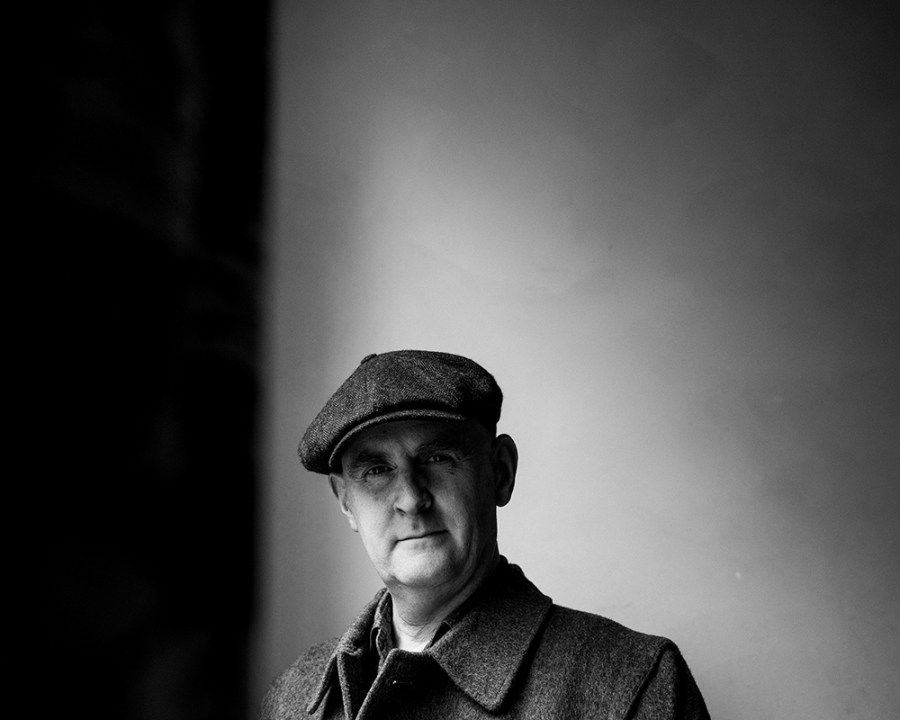
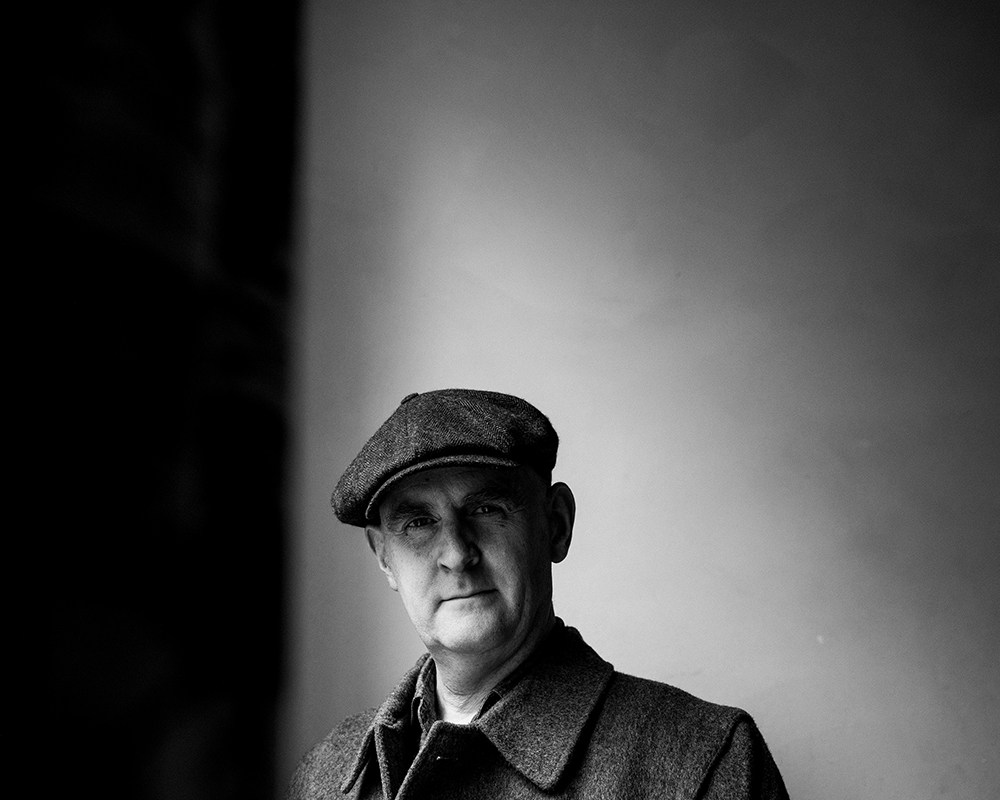
Writers who have famous authors for parents might view it as an inhibiting burden, but Nick Harkaway, the son of John le Carré, has seen it as an opportunity, which he has seized with a confidence that has proved entirely justified. Karla’s Choice was the first in what promises to be a family of fictional stepchildren featuring George Smiley. The novel took advantage of the chronological gap in the existing Le Carré oeuvre, between the erection of the Berlin Wall at the height of the Cold War and, more than a decade later, the hunt for a mole in the Circus, Le Carré’s imaginative reworking of MI6.
Now The Taper Man follows after little more than a year. It is set in 1965 and begins when a British operative is shot and wounded in a confusing melee in the middle of Helsinki. Smiley is sent to discover what exactly has happened. He soon learns that the shooting may inadvertently expose a senior Soviet official who is spying for the West. As Smiley investigates further, he finds a link to Los Angeles, where ten years earlier a Soviet cell operating in California was shut down. Now it seems there remains a solitary survivor, the Taper Man, a left-behind Russian agent still functioning under deep cover and doing his or her best to unearth the identity of the Moscow-based double agent. Meanwhile, Roy Bland, a Leftist curiosity from the earlier novels, moves to Leningrad, where he declares his determination to renounce his British homeland and take Russian citizenship. In fact he, like Smiley, is working for the Circus, trying to protect its Kremlin source.
The narrative alternates between Smiley and Bland, and this makes for a complicated book, with two sets of suspects to remember, two strongly plotted but complex stories to digest. The Bland chapters are not as gripping as those of Smiley, whose improbable but entertaining foray into America coincides with the growing effects of both the Vietnam war and the Civil Rights movement, and highlights many of the moral shortcomings of the postwar world’s greatest power. Other features of the changing times include the new ‘Xerox copying machines’ and their impact on intelligence organisations intent on preserving the secrecy of internal documents.
The writing throughout is evocative and adroit, though there are occasional signs of haste. This new tranche of Le Carré/Harkaway fiction does not need to multiply quickly to retain our interest. It will only lose it if the quality of the books suffers from a rush to capitalise on the franchise. Avoiding that, for a writer as talented as Harkaway, should just be a matter of him taking his time.




Comments