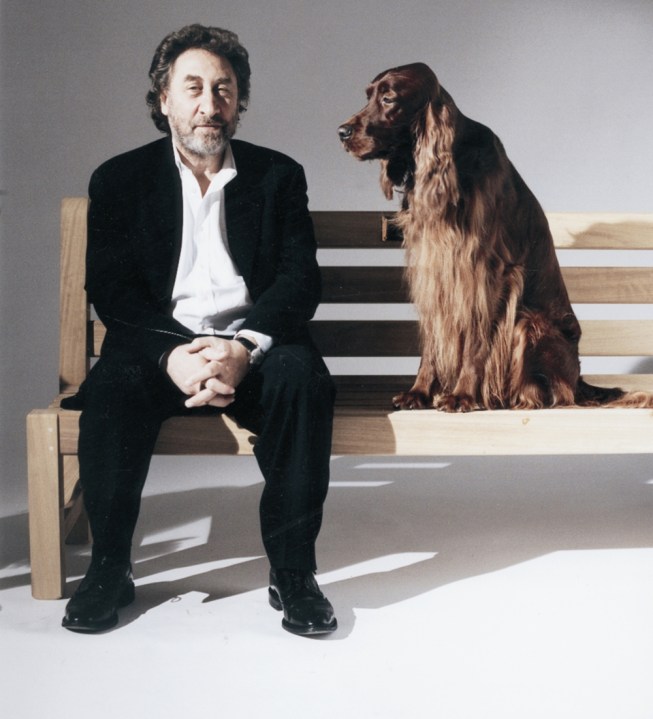
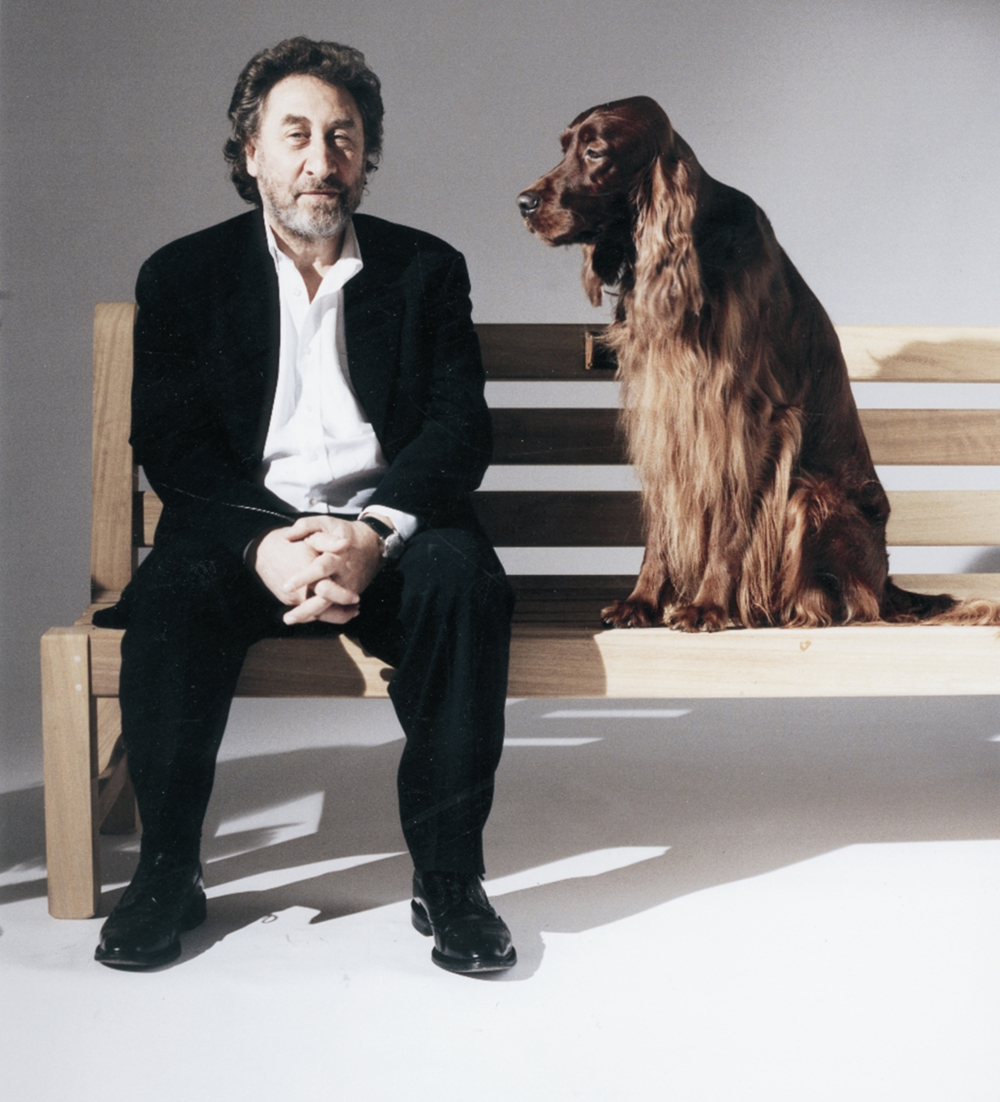
Rarely has such a short title worked harder than Howl, which Howard Jacobson takes from Allen Ginsberg’s incantatory 1955 poem. ‘I saw the best minds of my generation destroyed by madness,’ Ginsberg wrote, a line that both prefaces Jacobson’s novel and sums up the author’s own angry anguish at the current madness in the corner of the Middle East that both Israelis and Palestinians call home.
Make no mistake: Ginsberg’s poem puts the howl into Howard, who has written a characteristically crisp and deeply personal response to Hamas’s 7 October 2023 attack – the massacre in the Negev Desert.
Jacobson’s proxy is Dr Ferdinand Drexler MBE, the novel’s acerbic first-person narrator: a Jewish headmaster of a non-denominational primary school and the author of a ‘briefly seminal’ pamphlet on the Fool in Shakespeare (‘my thesis being that Shakespeare’s fools and clowns were, without exception, Jewish’), who lives in Streatham, south London. Jacobson, who is 83, has spent half his life exploring what it means to be Jewish in 18 darkly humorous novels and nine works of non-fiction, and Howl is no exception.
It opens with a short prologue. It’s a sunny day ‘in 20—, in the umpteenth week of the Peace Marches’. Drexler (whose wife Charmian is ‘only a little bit Jewish by virtue of marital airdrop’, with Drexler ‘her nearest device’) is lost somewhere in London. Not in his old teenage sense of getting drunk with friends but ‘lost in the sense that what used to matter doesn’t and that what used to be true isn’t’.
It isn’t the massacre so much as the response to the massacre – ‘the speed at which morality went into reverse’ – that sends Drexler into an existential tailspin. ‘Why, for example, if Jews had been slaughtered were my neighbours across the road calling for the slaughter of more?’ he wonders. This being Jacobson, who was the first author in Booker Prize history to win with a comic novel, The Finkler Question (2010), which joked about a man who obsesses about being Jewish after an anti-Semitic attack, the serious stuff is laced with jokes. In this new world, Drexler notes, ‘there were no innocents. Only Jews, Israelis, Zionists. JIZ – a new mnemonic of hate.’
What really tips Drexler over the edge is when his daughter Zoe, an Oxford undergraduate, joins the protests, becoming the poster child for everything from the Palestinian Solidarity Campaign to ‘Jewish Daughters Who Want To Give Their Fathers Heart Attacks’. He blames those who have taught her what to think rather than how to think.
This is a novel that is strong on polemics and personalities (Drexler’s mother, Mutti, a Belsen survivor, looms large) but weaker on narrative suspense (Drexler’s unravelling is never in question) and subtlety. It could have been shorter. The delight, however, is at the sentence level. Jacobson is a brilliant writer whose prose has the technical perfection of a medal-winning ice-dancing routine. The world will be no less mad when you’ve finished Howl but at least you’ll have been entertained.



Comments