The talks are still alive. Just. Iranian and US diplomats, engaging indirectly through Omani intermediaries, have yet to make any substantive progress toward a framework of understanding that governs further talks – as Kafkaesque as that might sound – but they are talking, and that is the best that the diplomats can hope for right now.
What separates Iran and America is a vast chasm between their respective red lines, and beyond that, the very substance of the talks themselves. The US is not willing to countenance an Iran that enriches uranium, has a ballistic missile program and arms proxies throughout the region.
Iran, for its part, perhaps unwisely – as they may be about to find out, will simply never agree to neuter itself on the above trilogy of capitulations. They prefer to see the talks as narrowly defined discussions on enrichment levels permitted in a state that is a signatory to the Non-Proliferation Treaty, and nothing more.
In Iran, the fear of war, massively amplified by Iranian state broadcasts, is real
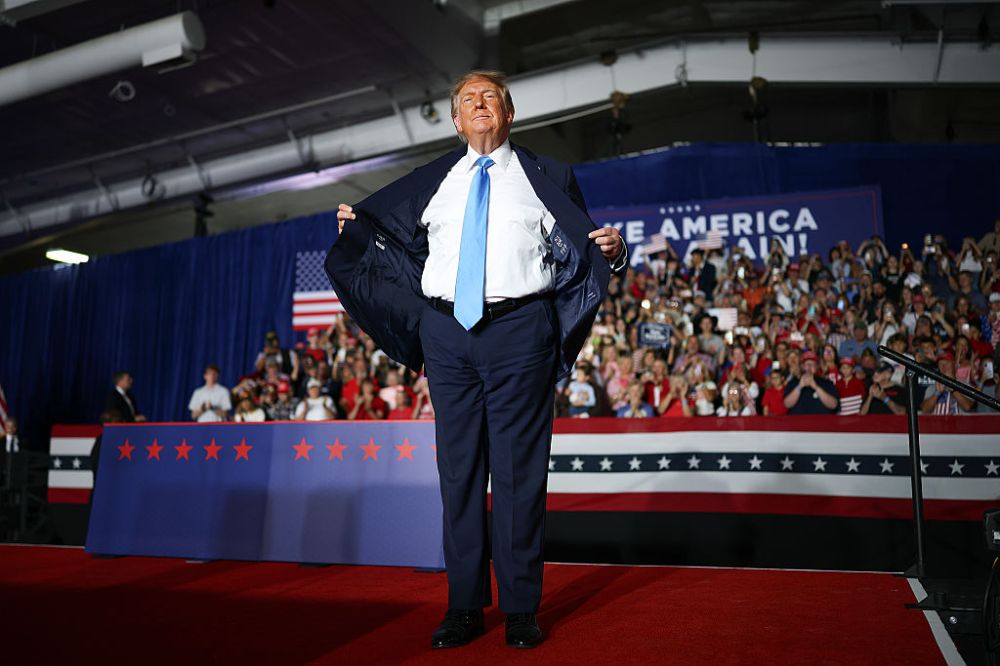
The problem Iran has is that Donald Trump is not one for the intricate niceties of Iranian patriotic sentiment. The problem Trump has is that the Iranians know only too well how much he simply wants to get a deal done and to have at the oil and the gas.
Iran would do well, however, not to overestimate Donald’s desire for a deal. Given the distance between the two parties in terms of red lines, not to mention the deep wellsprings of animosity that exist between them, it is perhaps unlikely that we will get a deal in this round of talks in Geneva.
The movement of US military assets to the region within the past 24 hours therefore represents a significant escalation. We have gone from a posture that seeks to use the threat of military action to achieve diplomatic ends to a posture that is poised to strike in the event of a failure to reach a deal.
Iran, given its history with Donald Trump’s use of military force against the regime, cannot afford to call his bluff. This is 19th-century gunboat diplomacy recast for a 21st-century audience. The technologically superior power has simply parked their overwhelming force on the doorstep of their intended target and either waits or strikes until surrender.
The last time the British Empire used this tactic in the 19th century against Iran was when all sides fought it out for control over the city of Herat in Western Afghanistan. The Persian court very quickly abandoned their taste for territorial expansion and retreated to the shell of a capital in Tehran as its port cities came under sustained artillery bombardments.
But both sides need an off-ramp, or something akin to “success” that they can sell to their domestic audiences. Donald Trump’s rather rash outbreak of proto-revolutionary fervor, promising that “help” was on its way to the brave Iranian people as they were slaughtered in their thousands in the recent uprisings, was a hostage to fortune. As was his red line regarding the execution of protestors, which continues apace across Iran.
Accordingly, many Iranians have lost faith in the US to do what it says it would do, namely, to strike the Islamic Republic’s organs of repression and mass killing and to topple the Islamic Republic.
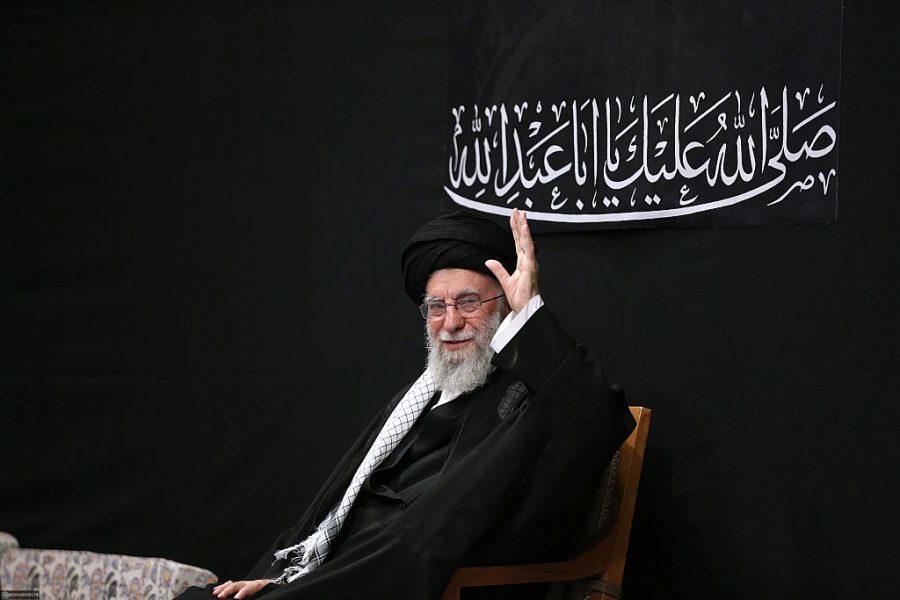
Likewise, Tehran too needs a diversion from the reckoning that surely must come when the world, and its own people, realize the monstrous scale of the crimes perpetrated against innocent Iranians. And what better way to achieve this than to spread fear and loathing of the US as the “real” enemy? That’s a trick that conveniently allows Ayatollah Khamenei to portray protestors as traitors and therefore justify further repression and death. For in Iran today, the fear of war, massively amplified by Iranian state broadcasts, is real.
And this is why, perhaps, a likely outcome after the inevitable failure of these talks is for the US to launch a series of calibrated strikes. These would be designed to show strength and that it keeps its promises, but not enough to topple the Islamic Republic, which would be permitted to return to the status quo ante, alliances with Russia and China and horrific levels of oppression at home. And perhaps even a renewed attempt to revive nuclear talks, and so on.
As children we are advised not to look gift horses in the mouth. The Islamic Republic is, despite their horror of negotiating with the Great Satan and the undeniable dent this would make on their massive national pride, being offered a lifeline by the United States.
Talk to us, and we will take off sanctions, as we did in Syria, and you can go about your business – so runs the message from DC to Tehran. A message that feels distasteful to many Iranians and Israelis, but a message nonetheless that could save the Islamic Republic from itself and potentially revive a regime that has just killed tens of thousands of its own people in the most gruesome manners imaginable. Whether Tehran takes that option or not could determine the fate of millions of Iranians for years to come.





Comments