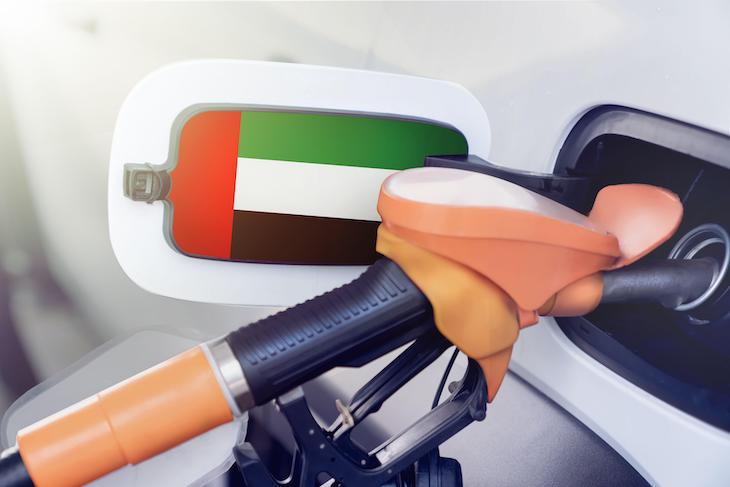
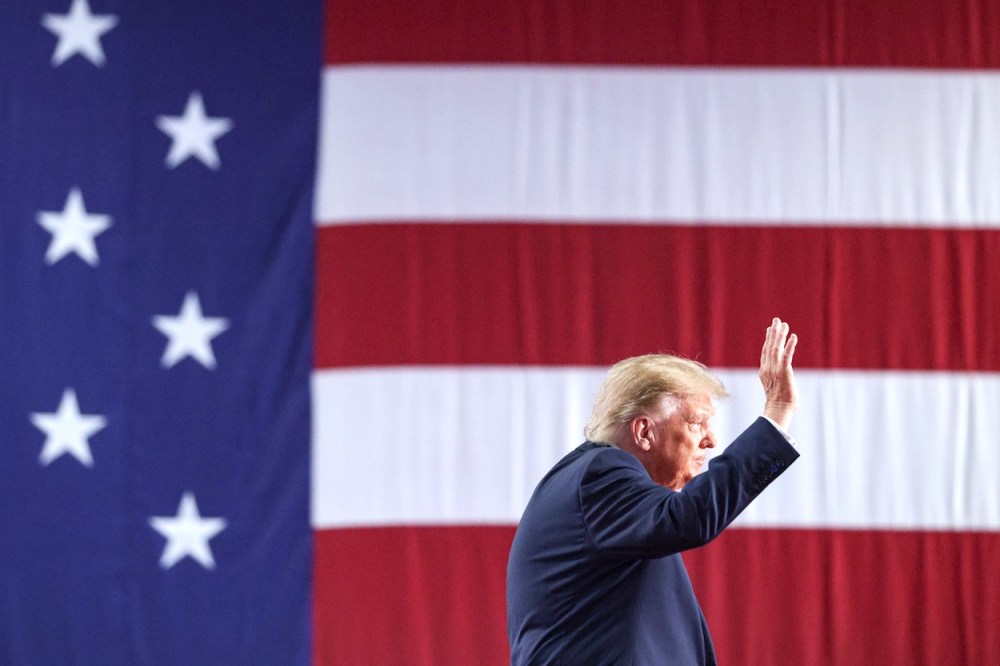
The decision by the United Arab Emirates (UAE) to quit Opec, the Organisation of Petroleum Exporting Countries, is a seismic blow to the oil cartel. Opec is already reeling from the energy shock of the Iran war and Tehran’s closure of the vital supply line through the Strait of Hormuz. There will be worries now that other member countries could depart, triggering chaos in the oil bloc. There is one winner in all this: Donald Trump, who has accused Opec of “ripping off the rest of the world” by inflating oil prices. The US President will be pleased that Opec has been weakened and hope that this leads to a drop in prices in the longer term.
The UAE has sent a strong signal to Saudi Arabia, the defacto leader of the oil cartel, that change is in the air
The UAE’s exit – after 60 years of membership – is about much more than oil, laying bare the increasing rifts between Gulf nations as the conflict in the Middle East rumbles on. Iran, a fellow member of Opec, has launched military strikes against the UAE, resulting in damage to infrastructure and tourism losses, and inevitably leading to greater strain in relations between the two countries. The UAE has also sent a strong signal to Saudi Arabia, the defacto leader of the oil cartel, that change is in the air.
Opec is an alliance of mainly Gulf exporters which has operated a stranglehold on oil prices by increasing or decreasing production and allocating quotas across its members. The UAE has set out a plan to quit the cartel within days – departure date 1 May – as the oil market enters the ninth week of the Iran war. The closure of the Strait of Hormuz, through which a fifth of the world’s oil flows, has caused massive market volatility. The UAE said its decision followed a comprehensive review of its current and future capacity and is based on “national interest”. The bottom line is that the Emirates has significant spare capacity, which it wants to exploit by pumping more oil. Leaving Opec gives it the flexibility to do just that. There have been ongoing disagreements between the UAE and Saudi Arabia about the system of production quotas. The cartel restricts the UAE to 3.4 million barrels a day, when it might easily up production by a further one million barrels daily. The UAE also believes OPEC rules impact on it disproportionally as well as affecting its natural gas industry. That’s why it wants out.
Some of the long-term ramifications remain unclear. More oil coming into the market will increase competition and lower prices – but that’s rather academic at the moment while the Strait of Hormuz remains closed.
In the meantime, the exit of the UAE opens up some big questions about the long-term future of Opec. Long gone are the days – throughout the 1970s – when the organisation could hold the world to ransom through its monopoly control of the oil industry. It still has influence and leverage but nothing like before, simply because it is less important to global oil markets today.
The oil industry has been transformed by the arrival of shale oil from the United States. This has made the US the world’s biggest oil producer, by some distance. At the same time, relations between Opec members have been coming under growing pressure, with tensions and frustrations exacerbated by the ongoing Middle East conflict. The UAE has criticised some of its neighbours for not doing enough to protect its territory from attacks by Iran. Relations between Saudi Arabia and the UAE are also not as close as before, with both countries competing economically as they seek to diversify away from a dependency on oil and gas. A UAE-Saudi coalition to fight Yemen’s Iran-backed Houthi rebels in 2015 broke down last year. There have also been mutterings about the Gulf Cooperation Council, the body which has traditionally managed relations between Gulf states, which some claim is a talking shop dominated by the Saudis. The Iran war has merely brought many of these rivalries out into the open.
The UAE’s exit from Opec may well mark the beginning of the end for the cartel. Much more significantly, it may also signal a parting of the ways between the Gulf nations as they scramble to protect themselves from the economic and geopolitical impact of the Iran war.





Comments