Republicans went into the midterms with a baby boomer mentality – and as a result came out bust.
This is not the way the pundit class wants Americans to see the election: it’s supposed to be all about Trump, proof that Trump-style populism is a failure.
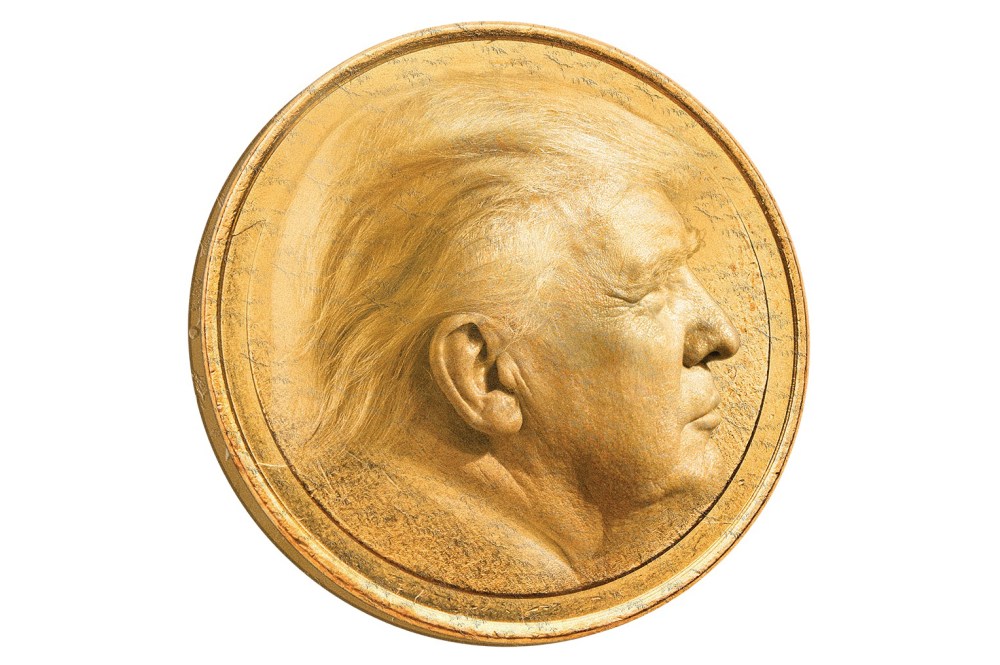
But there are two Trumps. One is a radically new force in American politics, challenging every norm and convention. The other is an 80-year-old Republican politician.
Trump’s second term so far has given free rein to both Trumps: hence the bold moves the President has made in tariff policy and enforcing immigration laws, but also the sudden reversion to the foreign policy of yesteryear’s Republicans.
There is a strong constituency for war in the Republican party
Foreign policy, particularly as it relates to wars in the Middle East, is the sharpest generational divide in the GOP. The country has been at war in the region for longer than any Republican under the age of 35 has been alive. Young Americans have no idea why this should be the case. Like the national debt, this is simply something that’s been forced on them by older generations.
But for boomer Republicans, a hawkish foreign policy is a minimum requirement for moral seriousness, just as it was in the days of their youth during the Cold War. It’s not that Iran or even China is the new Soviet Union, although some boomers do think that. Rather, it’s that during the Cold War, anyone who qualified as an adult had to take the foreign threat seriously – and everyone understood that possession of nuclear weapons marked a nation as a great power, if not indeed a superpower on par with the United States and the Soviet Union.
Who in their right mind would want to allow Iran to become the next superpower? If that status didn’t come automatically with having nuclear weapons, having them would nonetheless be a running leap down the path to becoming a superpower. That was the lesson of history the baby boomers lived.
Trump may or may not think this way: he’s long viewed Iran as a neighborhood menace that ought to be put down just for insulting America and being bad for regional development. He has reasons for using force against Tehran that go beyond the typical boomer mindset – but he’s surrounded by others who are typical, and the mindset of the older voters who are most active in the Republican party tends to be reflexively hawkish because of the mental world in which boomers grew up.
There is a strong constituency for war in the Republican party, despite the inroads anti-war conservatives have made (thanks largely to Trump, ironically or not). Trump gave in to this boomer side of his party and of himself.
The result has been war with Iran and sky-high fuel prices that doomed Republicans across the country on November 3.
Populist Republicans and old-guard Republicans, midwestern Republicans and southern Republicans, controversial Republicans and squeaky-clean ones, all went down to defeat on Tuesday because their party prioritized war abroad over affordability at home.
Trump ran successfully as a populist in 2016 and 2024. This year, prices at the pump negated any claims the GOP dared to make about being the party of working- or middle-class Americans. Voters whose economic concerns previously led them to vote for Trump were now prepared to vote for socialist-sounding Democrats like Abdul El-Sayed.
Older Republicans are being told to blame Trump’s personality, blame “candidate quality” (despite the fact that “good” candidates fared as poorly as “bad” ones), blame tariffs (as if having even less of a pro-worker agenda would have helped), blame anything but the war that only they support.
There were other important issues, to be sure. “Corruption” had traction with many voters, although the greater problem may have been not so much the accusations of bribery Democrats tried to lodge as the unseemliness of Trump officials living lives of luxury while ordinary voters were struggling to pay their bills. The populist party had once again come to look like the party of the rich, an appearance reinforced by the administration’s support for building more data centers for billionaires. That too, of course, was something boomer-minded Republicans justified in Cold War terms: how else could we beat the Chinese in the AI arms race?
What Republicans should have been doing, if they wanted to make a case for more data centers, was tying AI to affordability. And if the AI companies were smart, they’d be arguing for what their product can do for American jobs – not eliminating them, but adding to the boost in industrial employment fostered by Trump’s trade policies. Who needs globalization when you have domestic AI power instead?
But no message was going to be heard over the clamor created by inflation. At a time when the populist party of 2024 should have been focused on domestic concerns, the Republican party of 2026 stood most clearly for another war in the Middle East, just like all the others that have left Americans disillusioned over the last 35 years.
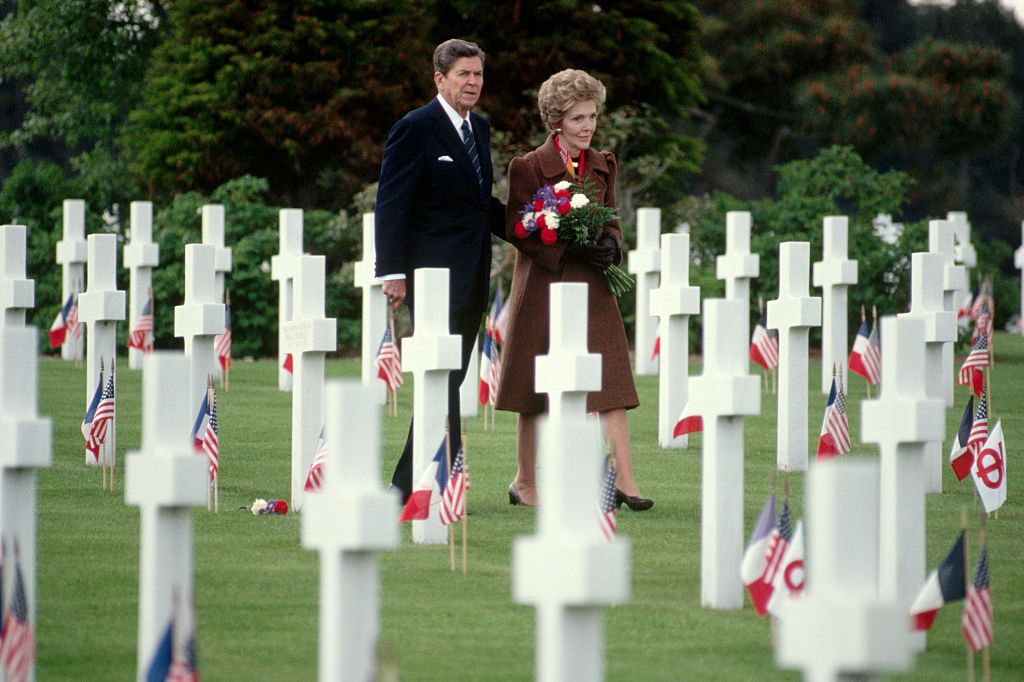
Republicans didn’t recognize the danger, because they were thinking like children of the Cold War. They were thinking like children who’d grown up on World War II movies and who remembered the shame of retreat from Vietnam and the Iran hostage crisis. They remembered, too, the glory of the Reagan years and the fall of the Berlin Wall. A decades-long struggle could end in triumph, they believed, if only Republicans had Reagan’s optimism and resolve. And while Reagan’s economic successes at home were important, it was victory in the Cold War that mattered most. By the same token, victory over Iran was paramount today, even if it meant sacrificing prosperity for a while.
The boomer Republican mindset exists for good reason. But it supplies no answers to the foreign-policy challenges of the last 35 years, other than another war, and another and another. Nor does it recognize the supreme importance of the home front in economics, immigration and indeed international affairs. The Republican party of 2026 fought an outdated campaign, and what went down to a historic defeat was not the new right, but the old.





Comments