
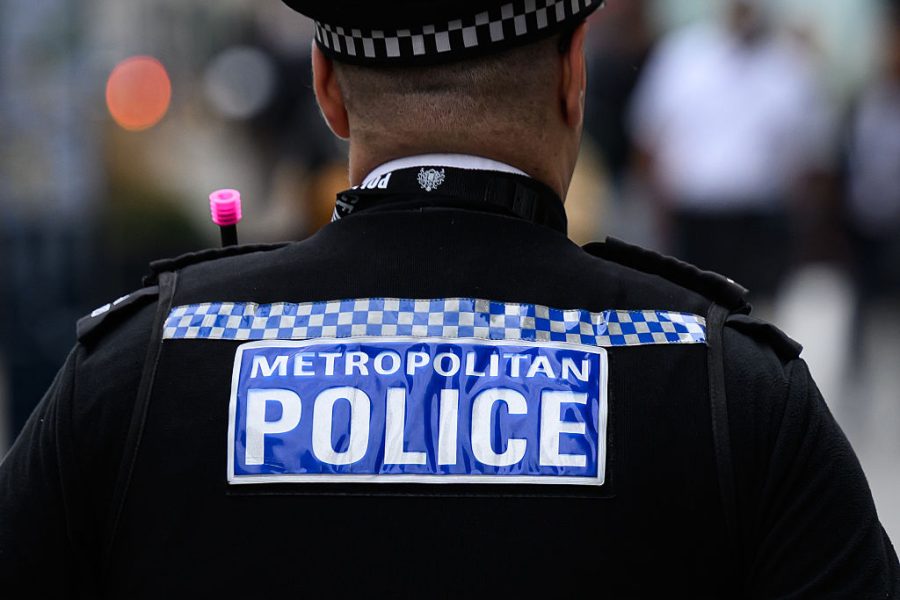
In the shadow of recent scandal, the Metropolitan Police’s tougher vetting regime promised a cultural renaissance. Yet the admission yesterday that thousands of recruits slipped through without proper vetting, breeding predators within, reveals a force still haunted by its own institutional rot.
After the conviction of PC Wayne Couzens for the rape and murder of Sarah Everard while a serving officer five years ago, the Casey report into the force described an organisation that was culturally and operationally incapable of stopping very bad people from becoming warranted police officers. Tough new measures were introduced that doubled refusal rates for applicants and nearly 100 officers and staff were dismissed as a result of a re-vetting process.
But the baby steps forward in rebuilding public trust and confidence in the Met have just suffered a giant leap back. A review, named ‘Operation Jorica’, published by the Met yesterday considered the vetting process for recruits hired in the decade up to 2023. It makes for awful reading. Out of a total of 5,073 recruits examined, it turns out that nearly 90 per cent were not subject to special branch counter-terrorism screening. Given that, at the time, we were experiencing an unprecedented threat to national security thanks to violent extremists, this is a simply appalling dereliction of duty. The implications may yet be unknown.
The cost to public faith in our most iconic police force is very high
This is not where the scandal ends, however. Unbelievably, of the 505 people who were actually refused a job as a result of the vetting process, 114 of these decisions were overruled and overturned by a ‘diversity’ panel. One fifth of these officers went on to commit criminal or disciplinary offences. A black officer called Cliff Mitchell was rejected as an applicant in this process despite the fact he had been previously arrested for the alleged rape of a child. The charge was not proceeded with. The Met’s diversity panel ignored this inconvenient red flag and overturned the decision. He was recruited. When he was eventually convicted of multiple rapes of women and children in 2024 he was sentenced to life imprisonment. During his reign of terror, he was the subject of a non-molestation order while a serving officer with the information sent to the Met by the court. No action was taken.
This diversity unit has reportedly since been disbanded, perhaps due to its rather too elastic interpretation of ‘difference’. But the mindset that drove the choices made on the panel is harder to decommission. We are often lectured that policing needs to look more like the people it serves but this ought to be an aspiration rather than a dogma that blinds people and senior managers into making awful decisions.
The Met should be praised for its efforts to be open and transparent, revealing this decade of shame and incompetence in a spasm of self-flagellation. But the cost to public faith in our most iconic police force is very high.
It ought to be remembered, not as an excuse but as context, that failures in basic vetting coincided with the national police uplift programme. This was run by the previous few Conservative administrations, working at speed to rectify the recruitment gaps left by austerity. That uplift also included the emergency recruitment of prison officers for the same reason.
In both cases, the prudence required to screen the best candidates for the job appears to have been sidelined by either ideological distractions on race or pressure to get boots on the ground – or both. In the case of the prison service, officers and support staff were recruited over Zoom with rushed, inadequate or entirely missing background checks. This coincided with record numbers of new recruits dismissed for misconduct and the entirely likely prospect of ‘sleeper officers’ put in place by organised criminals who now dominate the huge prison drugs economy.
We can at least hope that a stake has been driven through the heart of a culture in the Met Police where the dynamics of race politics overrode the risk of criminals wearing the uniform. But fealty to the DEI cult across public services – and law enforcement in particular – is still entrenched in the upper echelons, where senior careers have been made and broken over compliance with its holy writ. The moral vanity behind such bad outcomes has created a reputational black hole for London’s police force from which it might never escape.






Comments