Hamnet is an imagined account of William Shakespeare’s marriage to Agnes (Anne) Hathaway, their unspeakable grief at the death of their son (the titular Hamnet) and how this may have inspired Shakespeare to write Hamlet. It stars Paul Mescal and an extraordinary Jessie Buckley, who will likely win every award going, yet be warned: it does do everything it can to make you cry. You can hold out and hold out and refuse to be emotionally manipulated, as you’re better than that, but when Max Richter’s ‘On The Nature of Daylight’ kicks in at the end you will give up the fight. Take a hanky if you do not wish to deploy your sleeve.
The film is based on the novel by Maggie O’Farrell, which may be one of the saddest novels you will ever read, and directed by Chloe Zhao, who won an Oscar for Nomadland, took a detour via Marvel (Eternals), and is now being sensible again. Shakespeare is, in fact, a peripheral character as we focus on Agnes, more commonly referred to as ‘Anne’, but here they go with the name from her father’s will. Agnes may be uneducated but is a brilliant and formidable woman of nature. She has a trained hawk. Tell her what ails you and she’ll have a poultice for it. We open with her asleep, curled up within the roots of an ancient tree in the woods. An arresting image, as is the cinematography throughout.
It’s not your usual period drama. There are no balls, carriages or finery. It isn’t Shakespeare in Love. This is earthy, grubby. You can tell a character smells bad just by looking at them. Even Shakespeare, the local Latin tutor, has black grime under his fingernails. He first spots Agnes from a window and is immediately drawn to her strangeness and boldness. The attraction is mutual. He is not so bold with his feelings but as she tells her brother, ‘He has more hidden away inside him than anyone I have ever met.’ He is already working on Romeo and Juliet but his writing life, while referenced, is generally kept low-key. He isn’t constantly chewing on the end of a quill or anything like that.
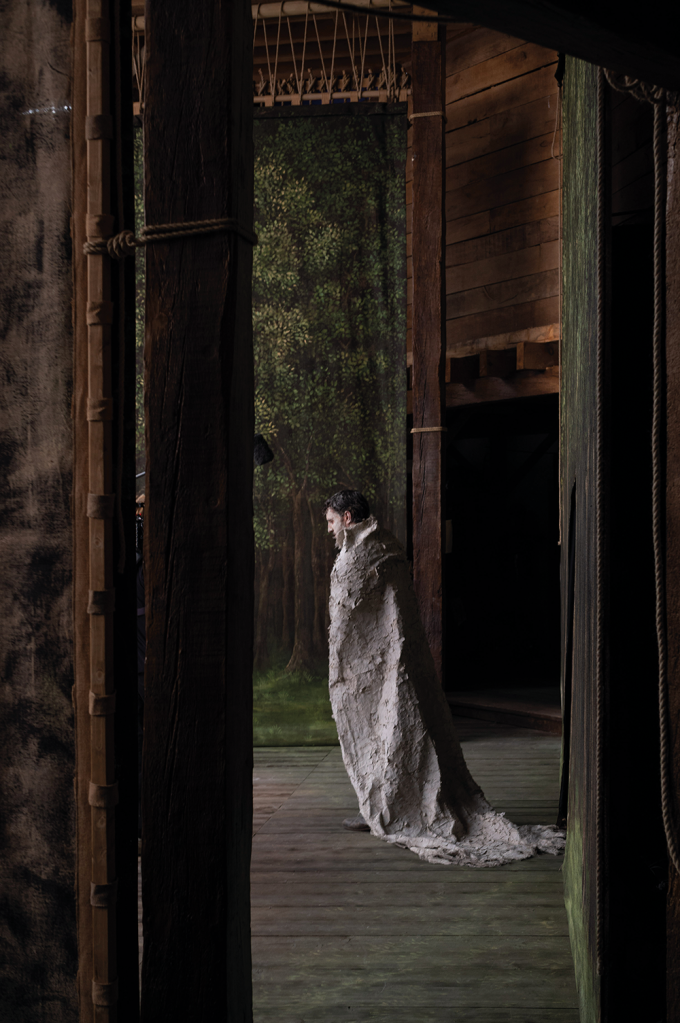
A family comes along, which includes the twins Judith and Hamnet, who were born in 1585, with Hamnet dying 11 years later. Historical facts are scant but this did happen. Hamnet, played by Jacobi Jupe, is an adorable little boy, with dimples and everything, and you will fall in love with him instantly, goddamn it. It’s horrific, when he’s taken by the plague, and it’s a loss Agnes imagines she is enduring on her own as Shakespeare is absent in London and returns too late.
But this is also a tale of marriage and motherhood – it does not stint on the brutality of childbirth, let me tell you. But if, like me, you read the book and had a problem believing that Hamnet’s death fed into Hamlet, you will have the same issues here. (Didn’t Shakespeare write two comedies after Hamnet died before getting round to Hamlet? And isn’t Hamlet a reboot of the Scandinavian legend of Amleth? And about the loss of a father, not a child?)
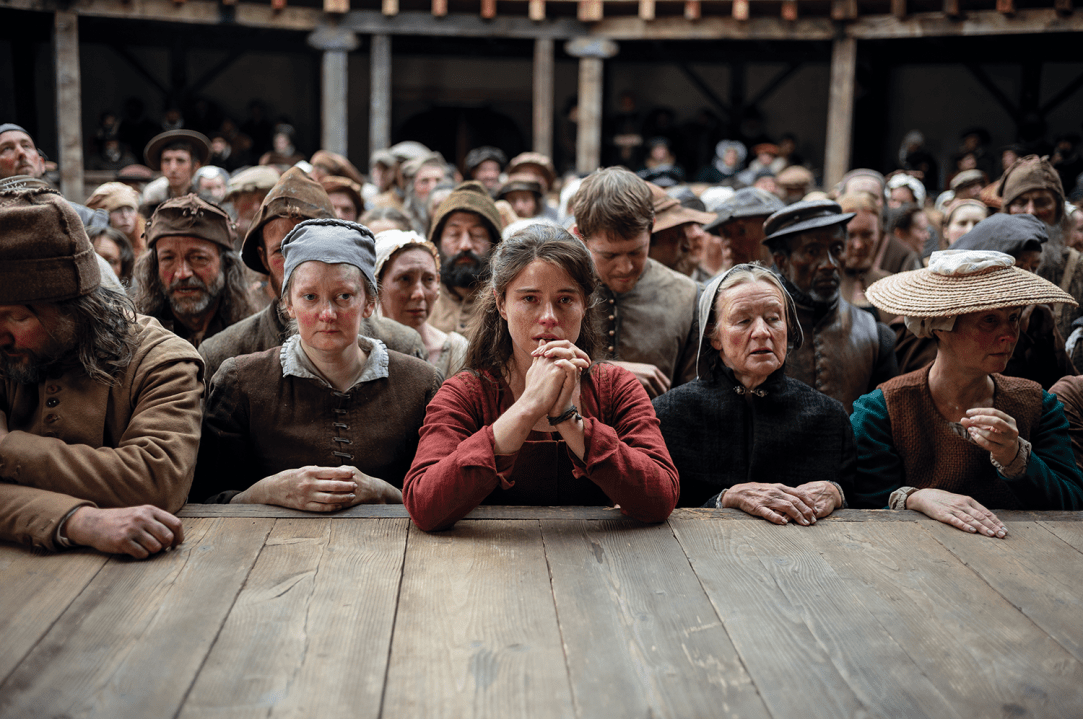
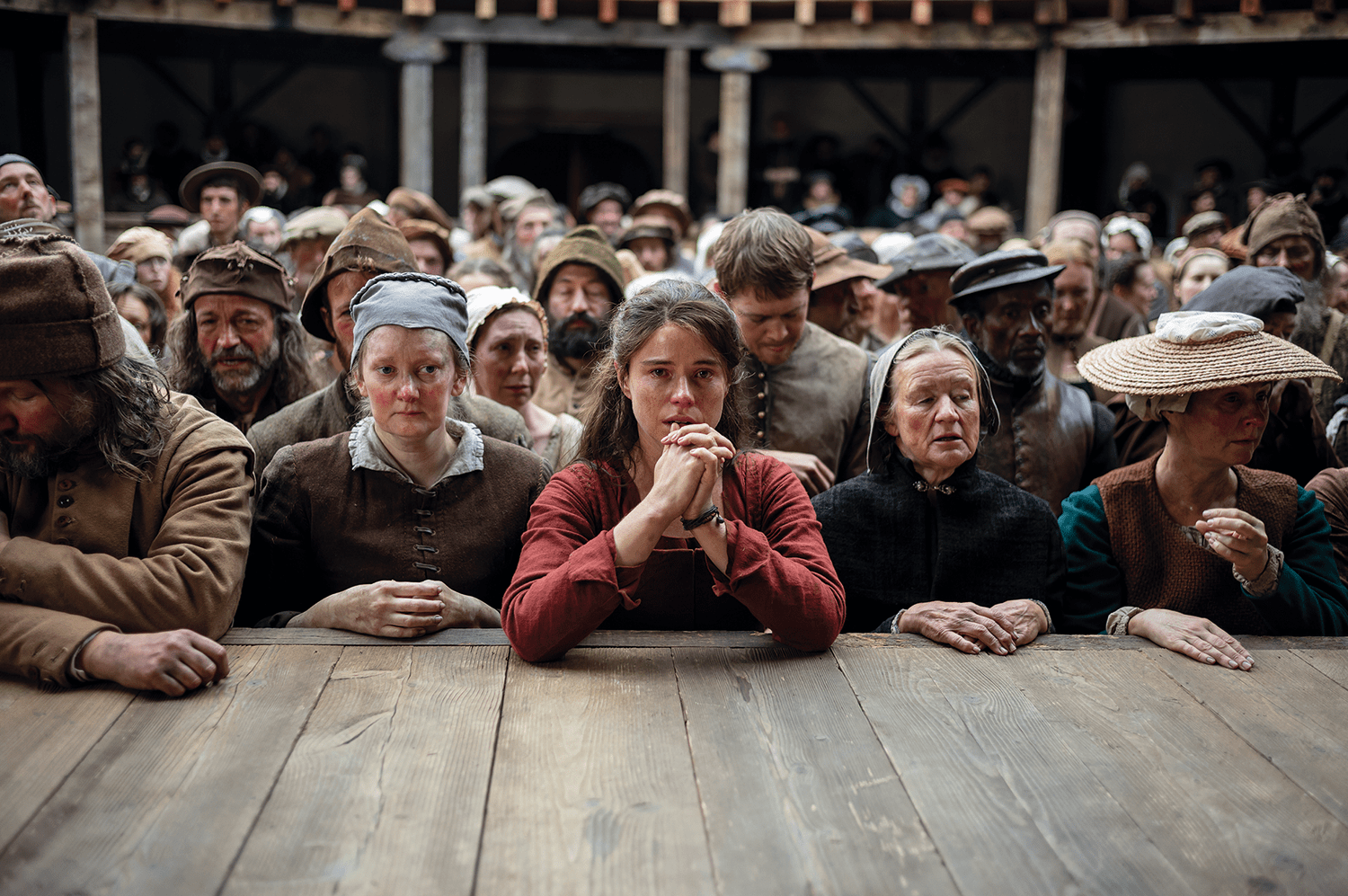
Still, you can’t argue with the scene when Agnes steals into the Globe to see the play for herself. It is phenomenally powerful, particularly as the role of Hamlet is played by Noah Jupe, Jacobi’s older brother. Casting genius, that. Even if you don’t buy the central thesis you will be absorbed by the performances and the visual riches. Mescal, rightly, takes a back seat while Buckley lets rip with the most astounding ferocity. It is ruthlessly manipulative and maybe you will be able to resist. But I’d take a hanky all the same.






Comments