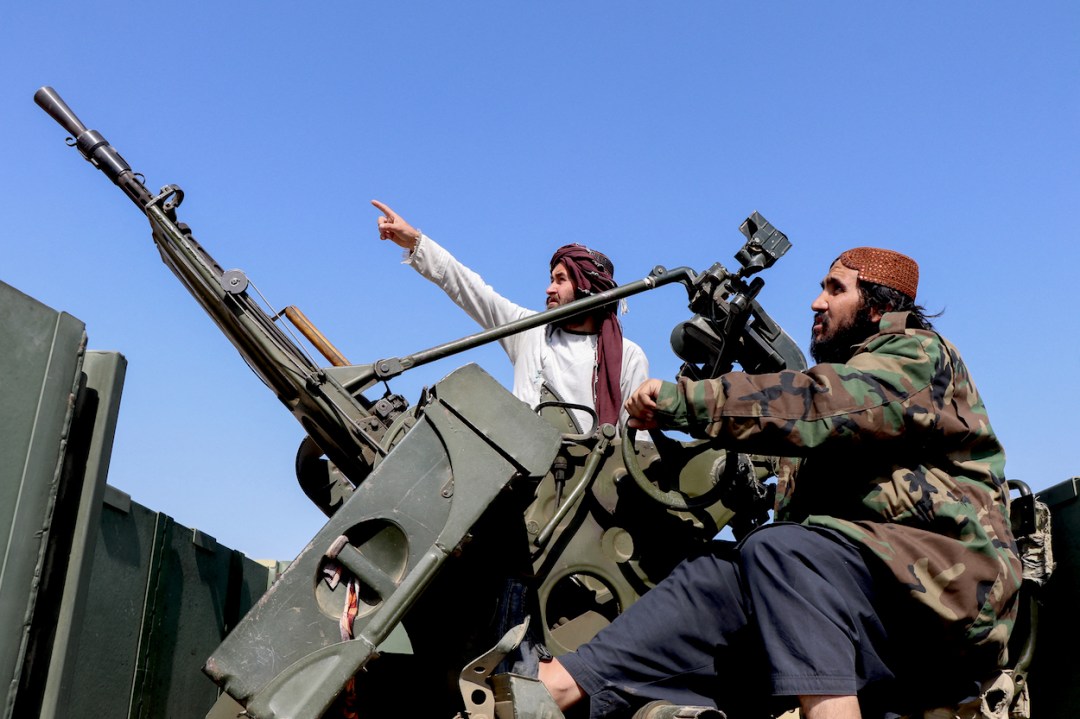
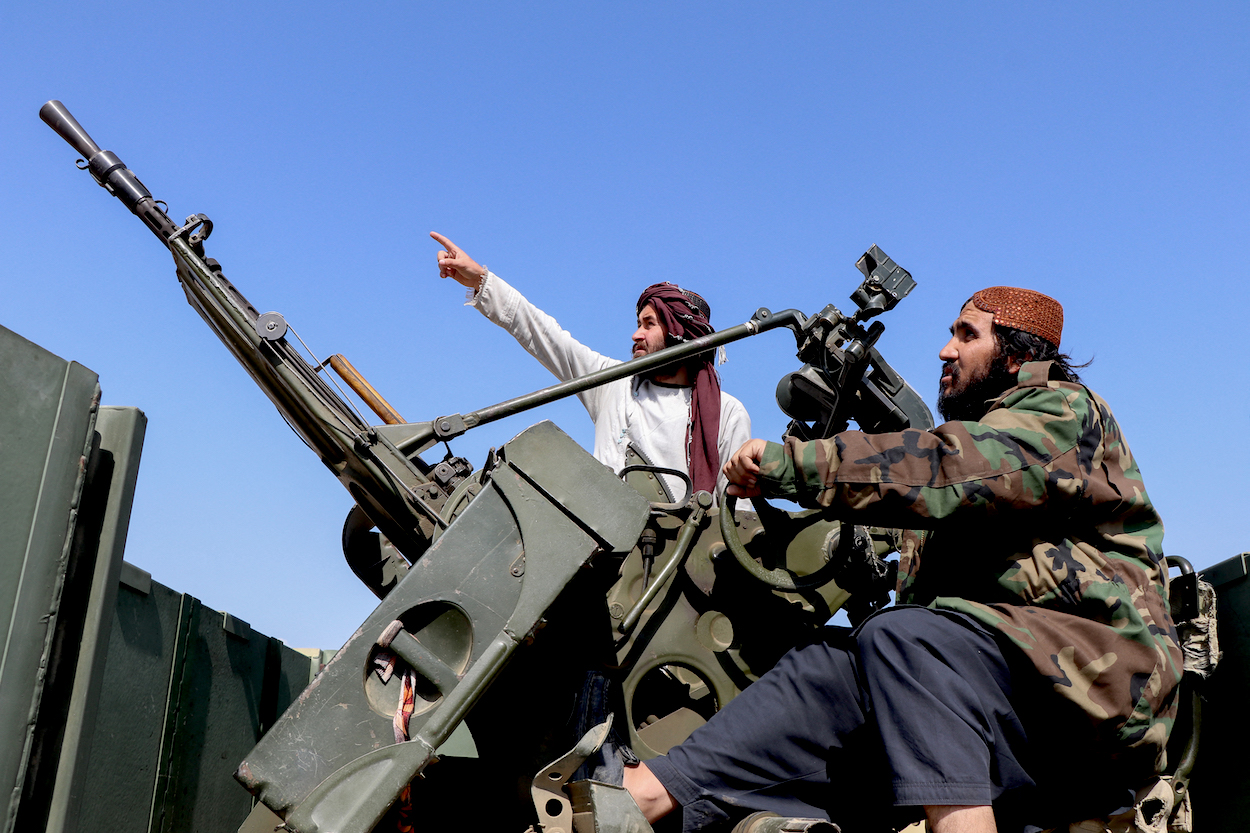
Pakistan and Afghanistan are at war with each other. Early Friday morning, Pakistan struck major Afghan cities including Kandahar and the capital Kabul, targeting Taliban military offices. ‘Ghazab Lil Haqq’, or Operation Righteous Fury, began after the Pakistani government said it had ‘run out of patience’ with the Taliban. On Thursday, the Taliban launched cross-border attacks on Pakistani security forces after Islamabad struck what it claimed were terror camps on Afghan territory last weekend.

The roots of this war go back five years to the Taliban’s takeover of Kabul, following the departure of US-led Nato forces. The resurgence of the Taliban was perceived as a triumph by the Pakistani state, which had supported the Afghan Taliban as a ‘strategic asset’ to safeguard its regional interests. Soon after, Islamabad paid the price: there was a surge in terror raids on Pakistani territory by the Taliban, with 2025 becoming the deadliest in Pakistan for a decade. (There were over 1,000 terror attacks.) A significant percentage of the attacks are attributed to the Tehrik-e-Taliban Pakistan (TTP) and were carried out in the western provinces of Khyber Pakhtunkhwa (KP) and Balochistan.
The TTP’s presence in Afghanistan owes much to its ideological alliance with the Afghan Taliban. Both outfits were founded on the Deobandi branch of radical Islam and share a common history that goes back to the jihad against the Soviet Union in the 1980s. Pakistani security and intelligence agencies orchestrated the anti-Soviet jihad, and wanted to install an Islamist regime in Kabul that would ally with the Islamist military establishment in Pakistan. Having propelled the Taliban to power in the 1990s, the Pakistani establishment then spent two decades post 9/11 ostensibly allying with the US-led Nato forces, only to oversee the return of the Taliban in 2021.
In the TTP, however, the Afghan Taliban see not just an ideological ally, but a group that shares its geopolitical goals as well. The TTP seeks to impose a similar radical sharia rule in the Pashtun-majority KP province bordering Afghanistan. By doing so, the group aspires to formalise the merger between Afghanistan and western Pakistan across the Durand Line – the border agreed with British India circa 1893 that Pakistan inherited following its inception, which no Afghanistan government has officially recognised.
In this regard, the Taliban have found an ally in New Delhi, which has embraced the jihadist outfit as a means to counter Islamabad, especially after India-Pakistan clashes in May that threatened to spiral into a nuclear war. Islamabad has long accused New Delhi of backing certain militant groups that target Pakistani territory, and it is an assertion that India today appears to be interested in endorsing. Keeping Pakistan’s military engaged on both fronts allows India to drain Islamabad’s resources and safeguard its own territory, notably the disputed Kashmir region.
Doha brokered the ceasefire between Afghanistan and Pakistan
The fact that Pakistan and Afghanistan are at war carries global significance, especially in the Muslim world. Saudi Arabia and Qatar have been keeping a close eye on the conflict; Doha brokered the ceasefire between Afghanistan and Pakistan in October, exercising the same influence on the Afghan Taliban as it does with Hamas in Gaza. Saudi Arabia, meanwhile, signed a Nato-like defence pact with Pakistan last year.
Both Afghanistan and Pakistan know that any investment, economic or political, hinges on stability across the border. While one way of ensuring this would be via cooperation and compromise, it appears that the Afghan Taliban and the Pakistan military establishment are all set to wage a protracted war, and shed considerable blood.





Comments