We live in a world where not everything desirable in theory is possible in reality. Mature societies recognise that, because ours is an imperfect world where tragedy, misfortune and wrongdoing occur, legislation cannot solve every problem. For example, the presumption of innocence and requirement that guilt be proved beyond reasonable doubt mean not all perpetrators of crimes are punished. This is regrettable, but corporately we have decided this is preferable to lowering the burden of proof and risking innocent people being convicted.

This principle is pertinent to the ongoing debate surrounding assisted suicide. Many people, like me, oppose assisted suicide absolutely – it blurs ethical boundaries, sends a mixed message on suicide and puts death and despair before hope and care.
Others, however, have no principled objection to assisted suicide in exceptional cases, believing someone in intolerable pain at the end of life, who freely makes a settled decision to do so, ought to be permitted to end their life with the state’s assistance. In a perfect world, assisted suicide should be an option, according to this view.
The trouble is, we do not live in a perfect world, and what may be desirable in theory is no more possible in reality than ensuring innocent people would never be convicted if the burden of proof were lowered in the courtroom. Just as society settles for imperfection in a court of law to avoid miscarriages of justice, so our forebears have recognised that legalising assisted suicide for rare cases would inevitably lead to the deaths of vulnerable people via coercion or a tragic sense of duty.
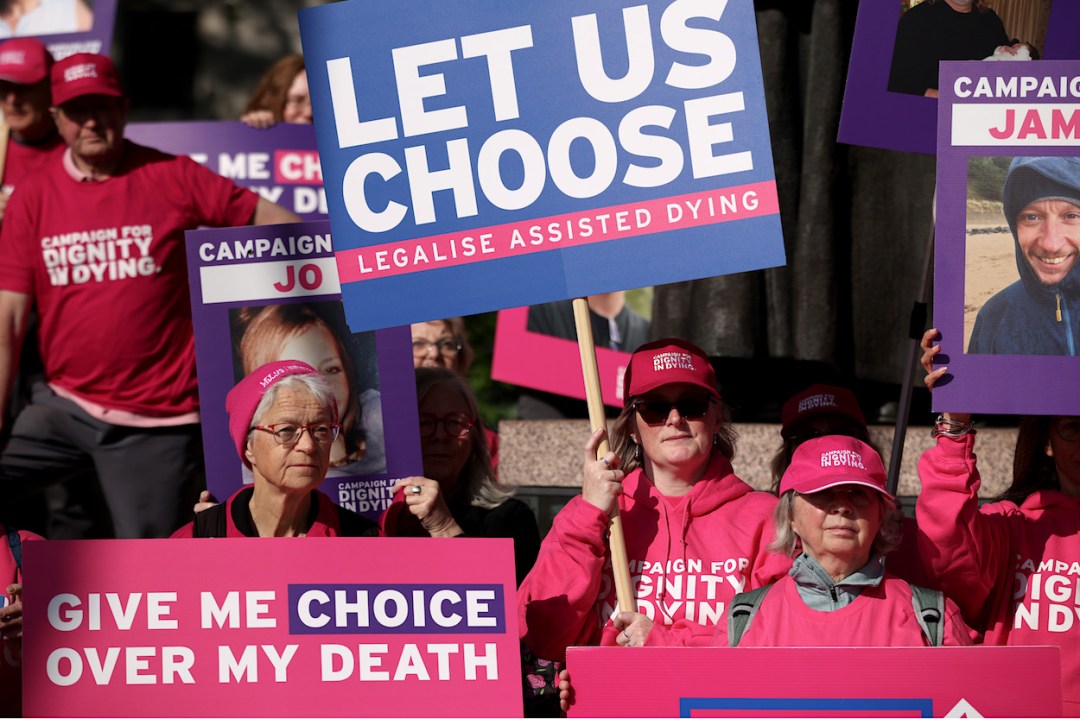
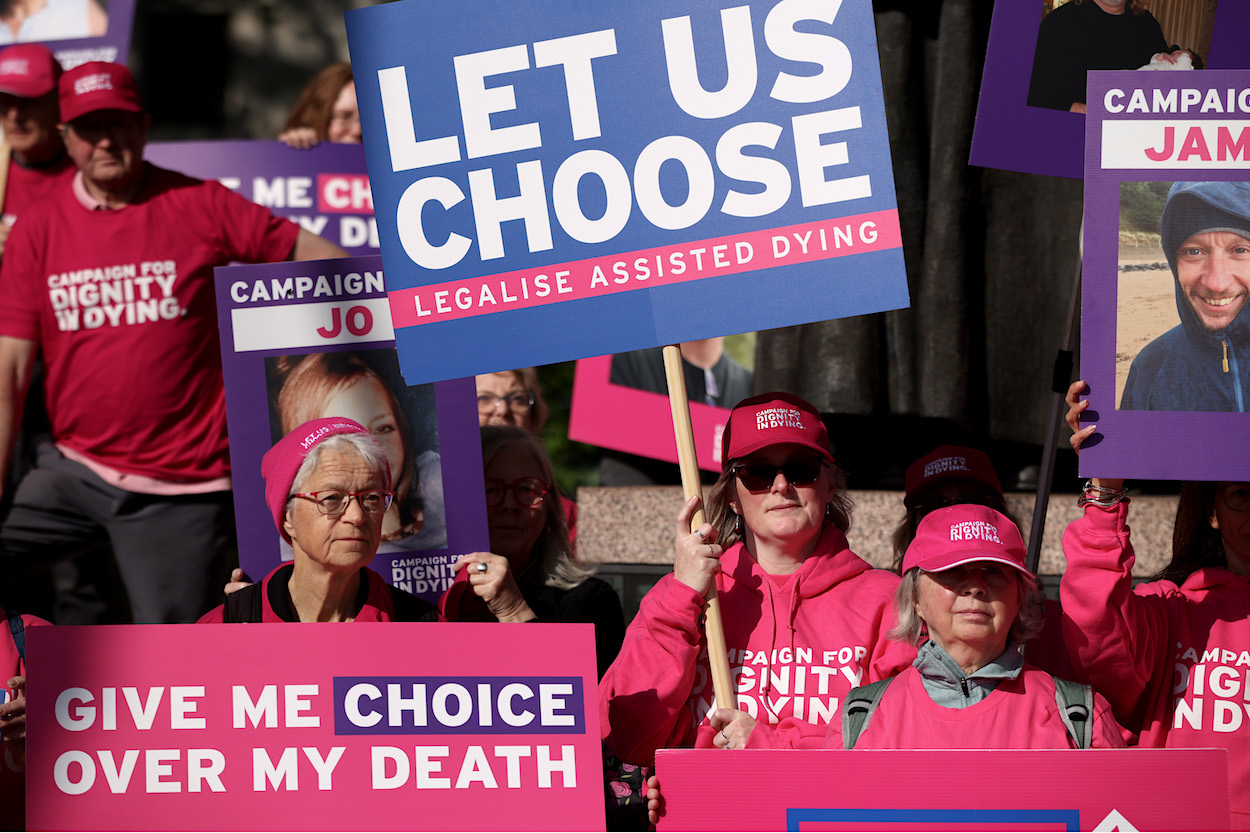
This principle is worth remembering in light of the reintroduction this week of the assisted suicide bill, justified by the misleading narrative that the House of Lords unscrupulously blocked Kim Leadbeater’s bill in the last parliamentary session. Yet peers were asked to do the impossible. During Lords debates, peer after peer noted that the bill they inherited was flawed, unworkable and unsafe.
Bill supporters suggest the job of the Lords was to resolve these flaws. Some MPs, perhaps attracted by the idea of assisted suicide in a theoretical world detached from reality, even seem to have voted for it hoping that peers would ‘fix’ it. However, what they wished for in theory was a mere fantasy in practice.
There are two primary reasons why what was asked of the Lords was fanciful. First, it is impossible to isolate individual cases from societal consequences. No man is an island, after all. Permitting assisted suicide for rare, admittedly heartbreaking, cases of suffering at the end of life crosses the Rubicon, with uncontrollable consequences. Once the principle has been established that assisting suicide is sometimes permissible, the application of that principle will inevitably grow. ‘Intolerable’ suffering is subjective and impossible for external assessors, who lack omniscience, to quantify.
Legalising assisted suicide for rare cases would provoke other undesirable ripples. It would change the role and perception of doctors; it would undermine suicide prevention strategies by relativising when suicide is an ill; and it would change society’s response to the elderly or dying. No longer would our instinct be always to provide care until life’s natural end, but we would be introducing an alternative: ending life prematurely and unnaturally. It is not hard to foresee how this could develop into a societal attitude that anyone resisting this ‘option’ is being selfish, given the cost of care to the state and their family.
A ‘right to die’ would become a ‘duty to die’
This leads to the second reason why a safe assisted suicide law is a fantasy: it is impossible to legislate away the possibility of self-coercion. Even if a law could identify malicious coercion of vulnerable people, and doctors could offer unfailingly reliable prognoses, and excellent palliative care were universally accessible to ensure genuine choice at the end of life – all doubtful – no law could prevent some elderly, disabled or incapacitated people, even in the most loving families, from worrying they have become a burden. A ‘right to die’ would inevitably become a ‘duty to die’. In the real world, no legislation can prevent this, which is why the assisted suicide bill was based on an impossible fantasy in an imaginary world.
This is the great elephant in the room in the debate. Peers were asked to do what cannot be done and then criticised for not doing it. If it were possible, why has no jurisdiction managed it? Why is feeling a burden a motivating factor in around 45 per cent of assisted deaths in both Canada and Oregon? Why does the number of deaths grow every year, well beyond exceptional cases? Why do eligibility criteria so often expand? Parliamentarians cannot do the impossible. They have to legislate for what is best in an imperfect world. In this instance, that means continuing to resist assisted suicide laws, however well-motivated.






Comments