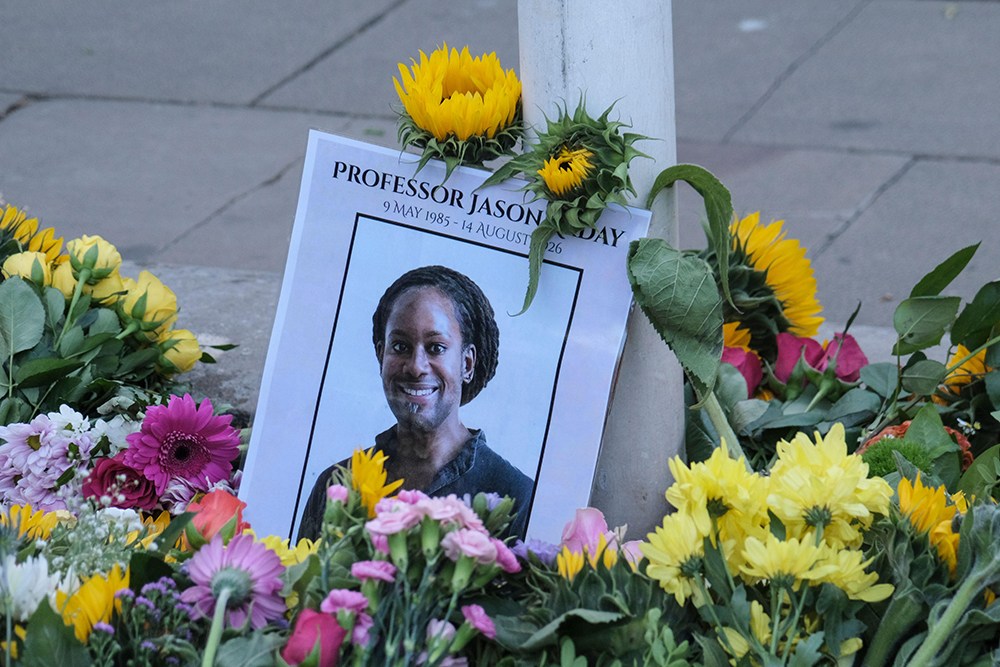

In case you were in any doubt that Cambridge University’s ‘independent review’ into the Jason Arday affair will blame the media for his death, the appointment of Nazir Afzal OBE as chair confirms it.
The former chief crown prosecutor for north-west England is no friend of press freedom. ‘Hate Speech is NOT Free Speech,’ he tweeted in 2024. It’s a racing certainty that his report will spare the blushes of the Cambridge authorities and call for a public inquiry into Britain’s out-of-control newspapers and magazines.
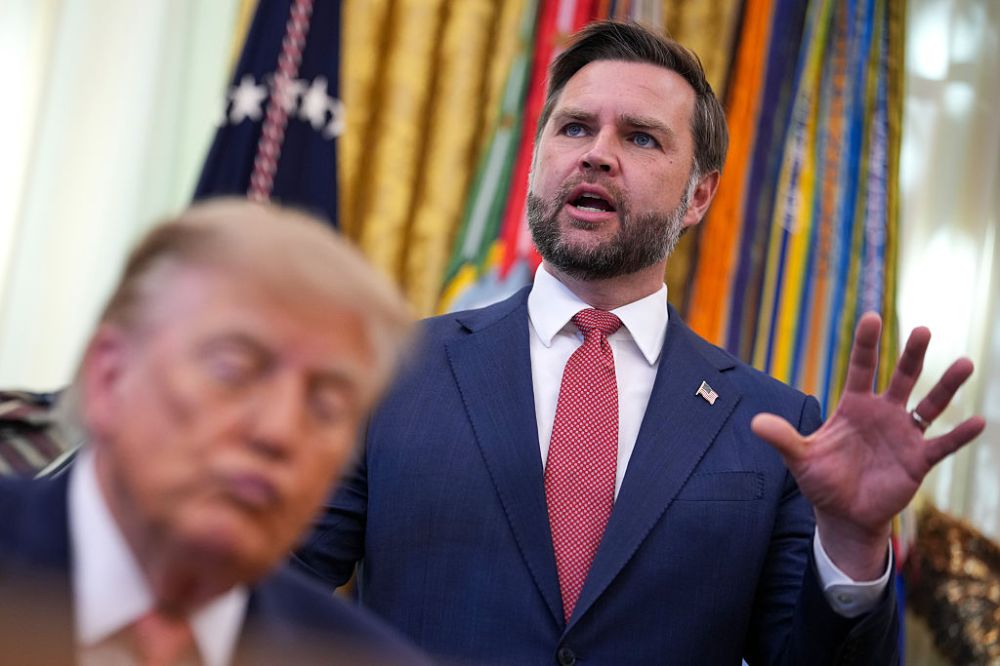
‘I do not shy away from using the terms “institutional racism”, “institutional misogyny” and “institutional homophobia”,’ he told MPs after his independent review of the London Fire Brigade in 2024. Expect his verdict on the media’s scrutiny of Arday to be another round of woke bingo.
I first encountered Afzal when I was made a non-executive director of the Office for Students (OfS) in 2018. After the offence archaeologists got going, digging up things I’d said in the past that supposedly made me unsuitable, he began tweeting about my appointment, complaining that he’d applied for the same position and hadn’t even been given an interview. ‘Clearly, I wasn’t what they were looking for,’ he harrumphed. This was in spite of him being far better qualified than me (according to him). All I’d done was help to set up four free schools, whereas he was pro-chancellor of one university and governor of another. This discrepancy was widely cited as evidence that the process was rigged, with the Tory chumocracy ensuring one of their own was handed this plum job. (In fact, it was unpaid.)
Even if Afzal is minded to criticise some of the Cambridge high-ups implicated in the affair, the terms of reference of the review make that difficult. The former prosecutor’s job is to ‘examine the support, interventions and protections available to Professor Arday during the period prior to his death’. So, glossing over the real scandal, which is Cambridge’s appointment of someone so obviously underqualified – even more than I was to serve on the board of the OfS – to a professorial chair. Hilary Cremin, the head of the education faculty who laughably described Arday as ‘the best in the world in terms of what you do’, probably won’t even be summoned as a witness.
Defenders of Cambridge will point to the fact that a second review will take place at the same time looking at how faculties recruit staff, what support they provide them with, and how the university responds to allegations of academic misconduct. But that seems suspiciously broad-brush – the reviewers haven’t been tasked with investigating Arday’s recruitment and, in particular, what that blunder says about the university’s equity, diversity and inclusion hiring policies.
The remit of the second review seems designed to let the vice-chancellor, Deborah Prentice, off the hook. She was ultimately responsible for the decision not to investigate the misconduct allegations when they were made by Nathan Cofnas and corroborated by the Telegraph and the Times, and for a university statement dismissing them as a ‘vile smear’. Had she announced instead that Cambridge would launch a proper investigation, the press wouldn’t have carried out its own forensic analysis.
It’s a racing certainty that Nazir Afzal’s report will spare Cambridge’s blushes
As it was, that dismissal was like a red rag to a bull, challenging Fleet Street’s finest to prove that the allegations weren’t a ‘vile smear’ – something they duly did, forcing the vice-chancellor to perform a U-turn some weeks later. But instead of looking at Prentice’s poor judgment, the reviewers will confine themselves to examining the university’s general policy when it comes to plagiarism allegations. They may end up finding fault with the institution but not the person who runs it.
Perhaps the reason Afzal has been made the chair of the first review is that he served for six years on the complaints committee of Ipso, the independent press regulator. That will lend credibility to any criticisms he makes of Ipso in his final report. The conclusion Cambridge wants him to come to, I suspect, is that independent self-regulation of the press has failed and Ipso needs to be replaced by a state regulator capable of reining in unruly journalists. No doubt Afzal will happily oblige.
In an ideal world, Nigel Biggar or Robert Tombs would have been given the job of chairing this review, with Andrew Gilligan as lead investigator. Perhaps the solution is to set up a genuinely independent review in parallel. We need to be prepared for the clamour for tighter press regulation that is bound to follow Afzal’s report and do what we can to counter it.


Comments