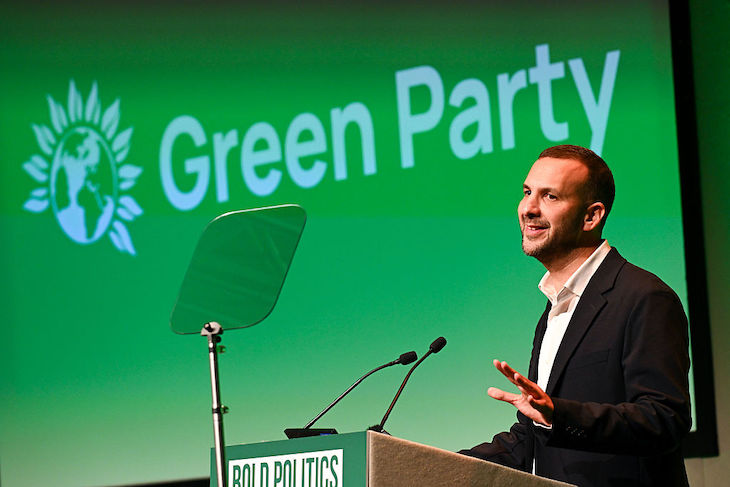
Much has been written in recent days about the outlandish proposals and deplorable opinions of the Green Party candidates standing for the forthcoming elections in May. We have read about one candidate in Scotland who wants to abolish prisons, of another in London who called David Lammy a ‘coconut’, and a whole host of grass-roots campaigners who have repugnant views regarding the Jews, the most interesting being one from a Green Party candidate in Camden who avers that the 9/11 attack on the US ‘was done by the Zionists with Dick Cheney as their executing authority’. Andrew Gilligan has also exposed a trio of Green Party candidates who have shared extremist views, including one who promoted a video suggesting that a terror attack on a synagogue was “not anti-semitism” but was “revenge” for Israel “murdering people”.
Economic catastrophe often heralds the arrival of this dystopia, or, alternatively, its descent into chaos
As titillating as it is to dwell on these effusions, it risks becoming a distraction. It’s not so much the rogue candidates and street-level simpletons who should be of primary concern. Rather, it’s the deluded policies that come straight from the top that should worry everyone, not least because of the gains the Greens are set to make next month, notably among the traditionally affluent, middle-class Labour strongholds in the capital.
Never mind, for the moment, the party’s endemic anti-semitism and obsessive, cynical focus on Palestine in order to attract students and voters who don’t speak English. We have been reminded in recent days of the party’s profound economic illiteracy. It emerged this week that the Greens now want to commit 2.5 per cent of national income to overseas development assistance and climate finance by 2030, a figure which exceeds the UK’s current defence budget. As one policy document seen by the Daily Mail explains, these funds would ‘provide for planet repairs (climate debt) and reparations for colonial exploitations, enslavement and trafficking of people over the past few centuries.’
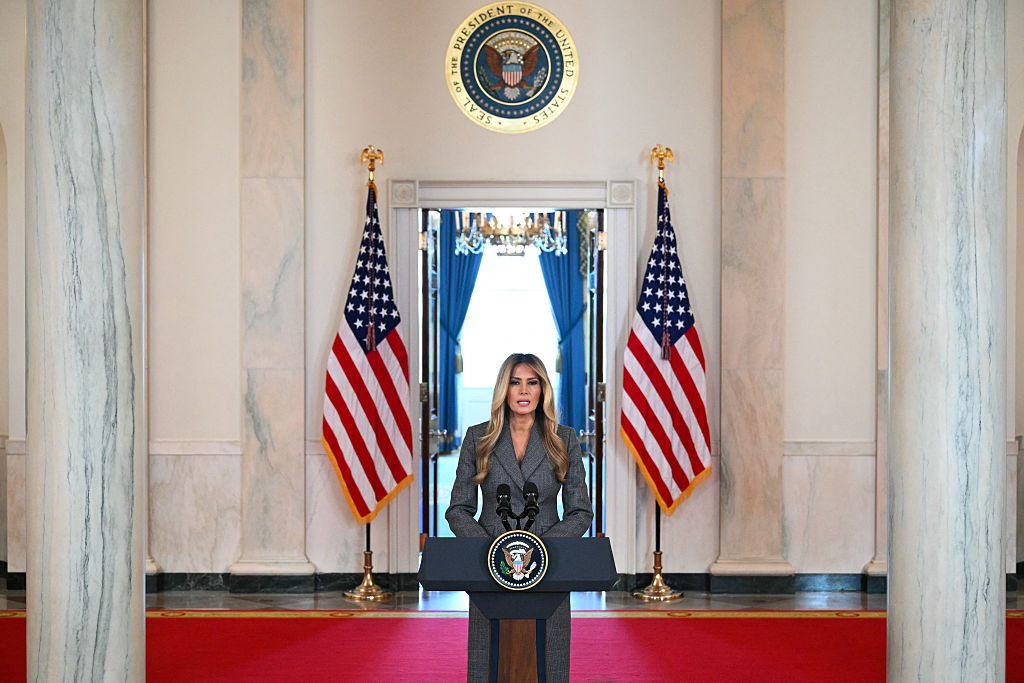
Elsewhere, we read that the party, now polling just short of 20 per cent, also plans to give Universal Basic Income of up to £1,600 a month to migrants without settled or non-visitor visa status, without them needing to become citizens. Seeing that one million non-British nationals are estimated to hold temporary non-settled leave to remain status in this country, this policy would cost the Treasury £19.2 billion per year.
Perhaps the near fifth of the population who now back Zack Polanski’s outfit, with the vast majority of this support coming from the young, aren’t aware of these policies. Perhaps they don’t care. Or perhaps – even worse – they actually endorse them, because they also inhabit the same otherworldly mental space occupied by Polanski, one detached from reality and oblivious to material concerns or real-life consequences.
Sure, Generations Y and Z have had it tough in terms of trying to find a job in a work environment increasingly threatened by AI. They have also found it hard to buy their own homes. Yet this is the generation which also thinks most things in life should be free, because that’s how things work online.
This is also our first post-literate generation who don’t read newspapers, who instead have their prejudices confirmed by algorithms and dubious TikTok videos. This is also a demographic who were taught at school and university that Britain is a racist nation that ought to atone for its historic sins by welcoming to our shores all newcomers of every description and shower them with money.
The Green Party, with its policies on legalising hard drugs and prostitution, appeals to a naïve and internationalist libertarianism that is the eternal hallmark of the callow and the gormless. Their position, that ‘migration is not a criminal offence under any circumstances’, and their desired ‘world without borders’ in which they hope to see ‘the concept of legal nationality abolished’, encapsulates an ethereal utopianism that as an iron-clad rule always results in misery and disaster.
Whether they are rules-free communes established in the wilderness that end up under the grip of a despotic alpha-male, or communist states established in Cuba or North Korea that result in impoverishment and oppression, under the rule of a new dynasty, ill-judged good intentions – driven today by ‘compassion’ – invariably have calamitous consequences. Societies which begin with the Rousseauian premise that human beings are inherently good, and that only nurture, upbringing and society that corrupts them, inevitably create a society that is much worse than the one it replaces.
Economic catastrophe often heralds the arrival of this dystopia, or, alternatively, its descent into chaos. The Green Party’s plan to provide Universal Basic Income to all citizens, and to newcomers to Britain, would do more damage to the economy and the country than anything even conjured up by Rachel Reeves. It would finally tip Britain over into bankruptcy, this being the inevitable consequence of more people taking more money from the state than those paying in.
So yes, let’s be appalled and amused by the fools and fantasists standing for election next month. But don’t forget that as well as being mad, the Greens are also bad – and dangerous.


Comments