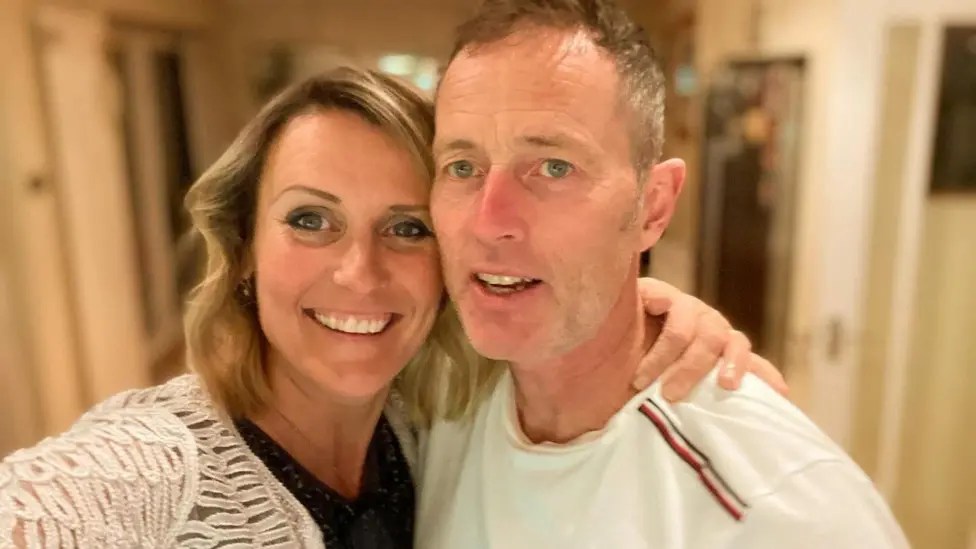
Lindsay and Craig Foreman, the British couple imprisoned in Iran on spying charges, have issued a desperate plea for help, saying they feel abandoned by the UK. The pair want the Prime Minister, Sir Keir Starmer, to ‘step up’, describing how they feel ‘let down, alone and completely frustrated’.
It was reckless, and simply asking for trouble, to enter a country with a longstanding reputation for randomly imprisoning westerners (Nazanin Zaghari-Ratcliffe, anyone?) on trumped-up charges
Speaking in a recorded phone message from Evin prison in Tehran, Craig described life in a war zone. ‘We have gone from a challenging situation to a life-threatening situation… There is a serious lack of commitment for our safety.’
It is heart-wrenching stuff. Evin prison is notorious for being overcrowded and unsanitary. Prisoners share cells infested with rats and sleep on concrete or metal blocks. Food and basic essentials are in short supply.
This desperately sad tale began with the couple’s arrest in January 2025. They were charged with spying for the UK after travelling to Iran on a motorcycle trip. Only the paranoid Islamic Republic could seriously argue that a couple of Instagram-obsessed bikers on the trip of a lifetime were moonlighting as James Bond and wife. They were handed a ten-year sentence in prison after a three-hour hearing at the Islamic Revolutionary Court in Tehran, during which they were not allowed to present a defence. The regime has no interest in due process, a fair trial or basic legal rights. Such matters are simply alien concepts in the fiefdom of the mullahs. Yes, this is a disgrace and worthy of condemnation in the strongest terms. Even so, the Foremans continue to display an astonishing naivety about the reasons for their plight, preferring to lash out and blame everyone but themselves for the folly of going to Iran in the first place.
For instance, Craig Foreman claims the British government is ‘fully aware’ of their innocence and says he cannot understand the lack of a public statement from officials. Well, one reason might be that official statements from the British government are unlikely to help matters and could actually make things much worse. Nor is it immediately obvious how exactly the government can ‘step up’ in this case. Communication lines (minimal at the best of times) are not exactly reliable at a time of war. With the Iranian regime fighting for its very survival, the plight of the Foremans is unlikely to be high on their list of priorities.
Yvette Cooper, the Foreign Secretary, has previously condemned the sentence passed in this case as ‘completely appalling and totally unjustifiable’ – strong words but likely to fall on deaf ears in Tehran. Cooper added that the government would ‘pursue this case relentlessly’ until the Foremans returned home safely and were reunited with their family. That too is exactly the kind of thing that ministers are duty-bound to emphasise, but the words carry no real force when dealing with the brutal and lawless Iranian regime. The reality is that the UK government – even more so at a time of war – has limited sway and few meaningful ways to bring pressure to bear.
The larger questions that have haunted this affair remain unresolved. The standard Foreign Office advice to all British nationals is not to travel to Iran because of a ‘significant risk of arrest, questioning or detention’. The Foremans chose to ignore this advice and pressed ahead with their travel plans. It was reckless, and simply asking for trouble, to enter a country with a longstanding reputation for randomly imprisoning westerners (Nazanin Zaghari-Ratcliffe, anyone?) on trumped-up charges. The pair are authors of their own misfortune, however harsh that might sound. Yes, ministers must do everything they can to secure their eventual release and safe passage home. But it really isn’t a good or sensible strategy for the Foremans, and their family back home, to criticise the very people – ministers and officials – whose help they most need. A little humility and patience would be welcome.



Comments