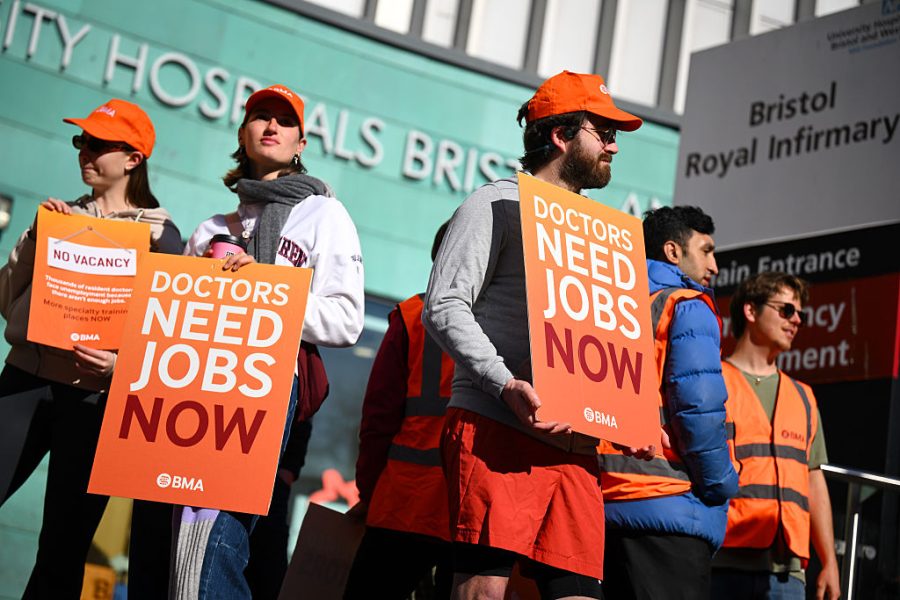
TThe junior doctors were due to strike again, and everyone was sick of the whole business. At the last minute, after a new government offer, the walkout has been called off. This is a relief, even if it isn’t yet a resolution. The vast majority of junior doctors I work with have become as fed up with the dispute as the rest of us. As the strikes have progressed, an ever-increasing number have turned up to work despite being members of the BMA. But even if this dispute now ends, new legislation means similar ones may soon return with dreary frequency in other trades and professions.
Junior doctors feel underpaid, and we ought to manage some sympathy for that, if only on the grounds that few of us feel we’re overpaid. Then there’s the fact that young people – and we were young once – are never slow to feel hard done by. Today’s property prices mean they really are. Ensure that too few homes are built for a growing population and grudges are a natural result.
Junior doctors are genuinely outraged by the travesty of their jobs having been given to overseas medics and by the slow and half-hearted way in which that needless problem has been fixed. For all these grudges, however, the strikes have long been doomed.
Those refusing to learn the lessons of trade-union history are legislating to repeat them.
Voting turnout has been dropping steadily as junior doctors have lost interest in radical action; at the first vote, in February 2023, turnout was above three quarters. In March 2024, it had dropped to 62 per cent and, by July last year, 55 per cent. At the last vote, turnout was 53 per cent – a shade above what was needed to make them legal. I have advanced training in statistical projection, and I believe I can spot a trend.
Our government, however, stands ready to stuff defeat into the mouth of victory. Had the dispute continued to the next obligatory vote in August, there seemed little chance the junior doctors in the BMA would manage another fifty per cent turnout. For now, the legal threshold would probably have bound them. But new legislation is poised to make the requirement needless. Having received royal assent at the end of last year, the Employment Rights Act is being implemented in stages over this year and next. Implementation has already removed the requirement for overall support of forty per cent, while the need for a fifty per cent turnout is next in line to be repealed. A simple majority of those turning out to vote becomes enough.
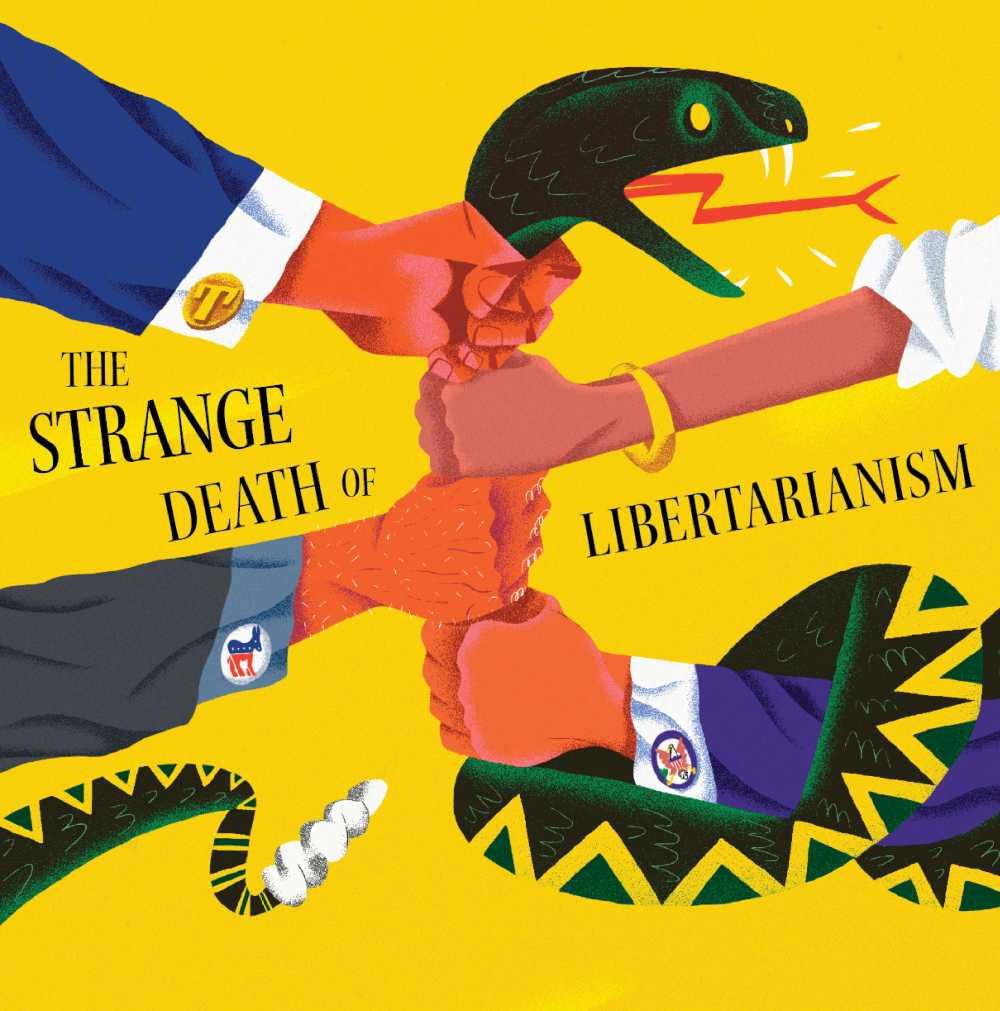
Milton Friedman was fond of pointing out that one of the reasons you should stop governments from doing anything was because their actions so often had the opposite of their intended effects. This Employment Rights Act is a fine example. Socialism claims to speak for the people, and in practice becomes an oligarchy of those who speak over them. Legislation billed as giving workers more power does the reverse, giving union leaders the power to push measures their members don’t back.
‘Removing the requirement for half your workforce to support a strike is bonkers,’ said a professorial colleague of mine, a thoughtful man who clings to his socialist views with sentimental tenacity. ‘They’ll be allowing flying pickets next,’ he added. He mentioned having heard a rumour that the education unions were waiting for the Act to be implemented before balloting their own members on strike action, an event falling into the category to which our rulers are so determinedly blind: obviously predictable consequences.
The name and stated intent of the Employment Rights Act are noble; its content and its impact will be the opposite, taking freedom away from workers and handing it to unions. Technically this retains the trappings of democracy but in reality it is as democratic as local government, where the political careers of zealots and sectarians are enabled by the fact that the majority of people simply don’t care and don’t vote. Like so much of our well-meaning and harmful regulation and legislation, it will be fair in name alone.
One could feel wholeheartedly furious that junior doctors are paid so little yet still feel that the bar to them striking should be set high. I have worked as a hospital consultant throughout these strikes and across the years have only met one young firebrand whose fury was white-hot. I admired the intensity of his grudgefulness and liked him enough to presume he will grow up and leave it behind. Junior doctors are generally sensible and generally hard-working – which, for any large group of human beings, is as high a measure of praise as reality allows.
If they are now over, the junior doctor strikes have still been expensive and wasteful and destructive. Yet they are only a shadow of what the new Employment Rights Act is going to make routine. We have been here before: the 1970s were made miserable by industrial action called early and often and far too easily. Those refusing to learn the lessons of trade-union history are legislating to repeat them.





Comments