‘Listen to this drivel’ is not the combination of words a radio presenter longs to see in reference to their exertions, but it’s what The Spectator associate editor Damian Thompson had to say about me on X recently. I’d provoked Thompson’s ire by telling people what was coming up that morning in my Radio 3 programme, Essential Classics, in a one-minute video delivered with a somewhat unserious tone. Thompson did later apologise for being rude but declared: ‘It’s just awful to hear the new house style of Radio 3.’
Thompson joins other Spectator writers who have their collective underwear in a twist about the style of presentation on Radio 3. Michael Henderson thinks the network is ‘peopled by presenters who might feel more comfortable on a pick ’n’ mix stall’. Melinda Hughes wrote that Essential Classics is ‘so inane it makes me want to rip my digital radio from the shelf and smash it through the window’, and Charles Moore thinks the introduction of the Official Classical Chart to Radio 3’s output is akin to ‘a 33rpm version of Top of the Pops’.
That being so, we have crossed the one million listeners a week mark on Essential Classics. What’s more, Radio 3 has attracted its highest audience since the pandemic and was named Station of the Year at the Radio Academy ARIAS (Audio and Radio Industry Awards). It’s time to stop talking drivel about Radio 3’s presentation and to give up on the idea that we should return to some mythical Golden Age from the 1970s.
There is undoubtedly a difference in the approach of those of us on the current roster of Radio 3 presenters, including Breakfast host Tom McKinney and Jess Gillam who presents the award-winning This Classical Life and the great Radio 3 voices of the past, like Patricia Hughes and Tony Scotland. The pace was slower and the accents were plummier, and that is not a criticism. I love the Rada-honed tones of Peter Barker, who was a major presence on Radio 3 from the early 1970s onwards. But we are a radio station and radio stations must evolve. I don’t see calls for Radio 1 to bring Tony Blackburn back to the Breakfast show, or to have Bruno Brookes do their chart countdown. Why then should we at Radio 3 hanker after a style of presentation that worked 50 years ago but certainly would not today?
Melinda Hughes should think twice before committing grievous bodily harm against her digital radio. There’s nothing inane about the huge number of listeners contributing to our ‘Playlister challenge’ every weekday morning, suggesting music on a particular theme. Through that feature I’ve discovered everything from Oscar Peterson playing the clavichord on a 1976 album with Joe Pass, to the fact that the 18th century Italian physicist Alessandro Volta used the title of Mozart’s famous duet from The Marriage of Figaro, ‘Sull’Aria’, to announce the discovery of methane. We’re not putting out fatuous phone-ins, we’re talking very directly to a listenership who have immense collective knowledge and who want to share it.
It’s time to give up on the idea that we should return to some mythical Golden Age from the 1970s
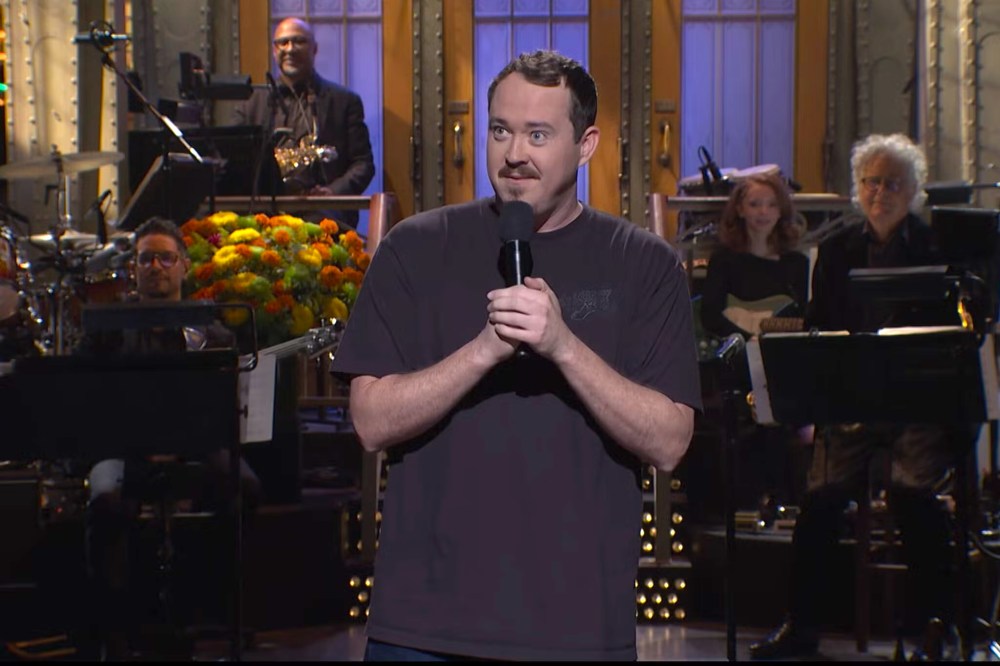
Some of the greatest radio I’ve experienced as a listener has been that which creates a sense of community. That was the genius of Terry Wogan and his TOGs (Terry’s Old Geezers and Gals), and it continues to be the beauty of what Shaun Keaveney does on his Community Garden Radio. Yes, Keaveney and Wogan played pop, but the Essential Classics listenership proves that you can build a sense of camaraderie and warmth in classical music programmes too.
Radio 3’s detractors are forever having a go at us for ‘burbling’ or ‘wittering’; we’ve been accused of: ‘endlessly begging people to like classical music’. But not everyone is coming to classical music from the place of learned assurance. We know that music education in the UK is in decline. There has been a 45 per cent drop in A-level music entries and a 36 per cent decrease at GCSE level since 2010. That means we will increasingly be seeking to bring this life-enhancing music to an audience who are unfamiliar with it. The musical lexicon many of us know from music lessons, is fading away. Yes, we do need to find new ways of talking about classical music, and if ‘wittering’ means catching people’s attention with more personal or biographical material in a scripted link than purely musicological, so be it.
Streamers have had a huge impact on the classical recording industry. The heady days of huge sales for the likes of Toscanini, Karajan, Heifetz and co are very much consigned to history. It’s increasingly tough for smaller independent record labels to make an impact, and for emerging talent to get a look in. That’s why featuring the Official Classical Chart on Radio 3 matters. Charles Moore needn’t panic that I’m about to start doing a Top of the Pops countdown. So far, I’ve played a recently released Dream of Gerontius from the Huddersfield Choral Society and a new album of American works from the Calidore Quartet. It’s hardly the sonic equivalent of Bryan Adams topping the pop charts for 16 consecutive weeks.
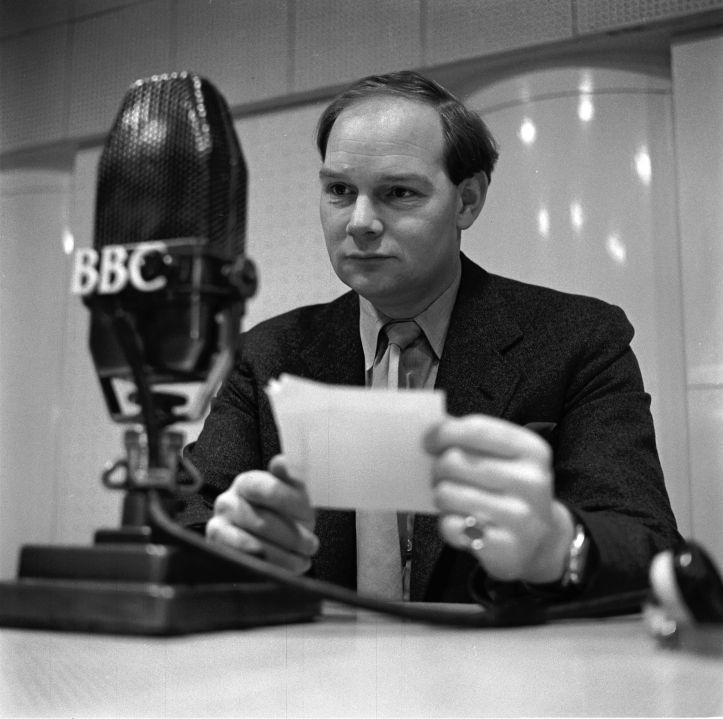
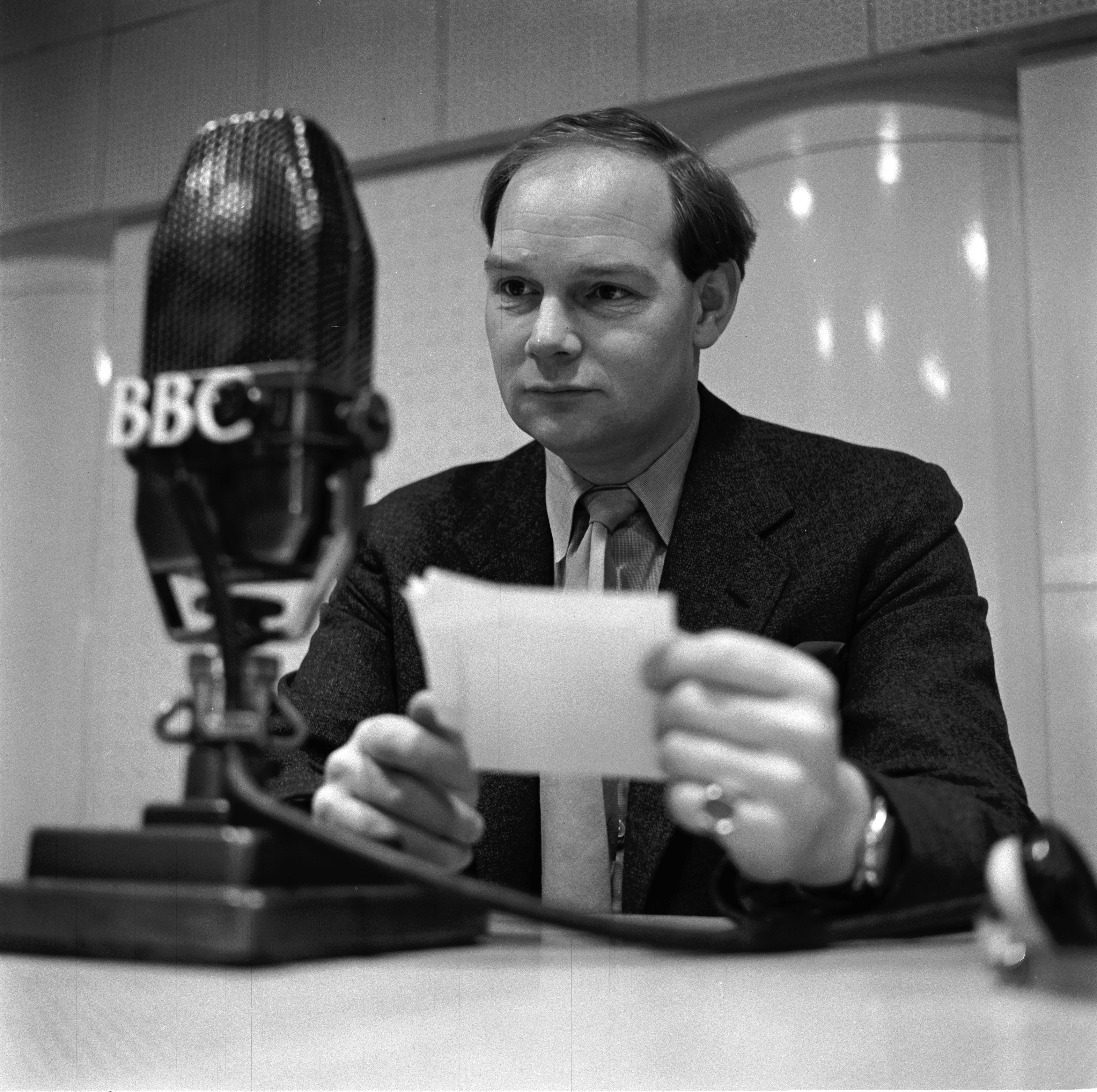
Radio 3 and its predecessor The Third Programme have long been at the centre of debate. T.S. Eliot led a campaign in 1957 to save the BBC Third Programme from drastic cuts, forming the Third Programme Defence Society alongside the likes of Bertrand Russell and Ralph Vaughan Williams. From T.S Eliot to Damian Thompson, people care deeply about Radio 3 and, as a presenter there, I’m only too aware of its place in people’s hearts. That doesn’t mean those who give voice to Radio 3 should be kept in radiophonic aspic. Classical music isn’t a museum piece, and I’ll keep ‘drivelling’ on with the aim of making Radio 3 a welcoming place for all music-lovers.




Comments