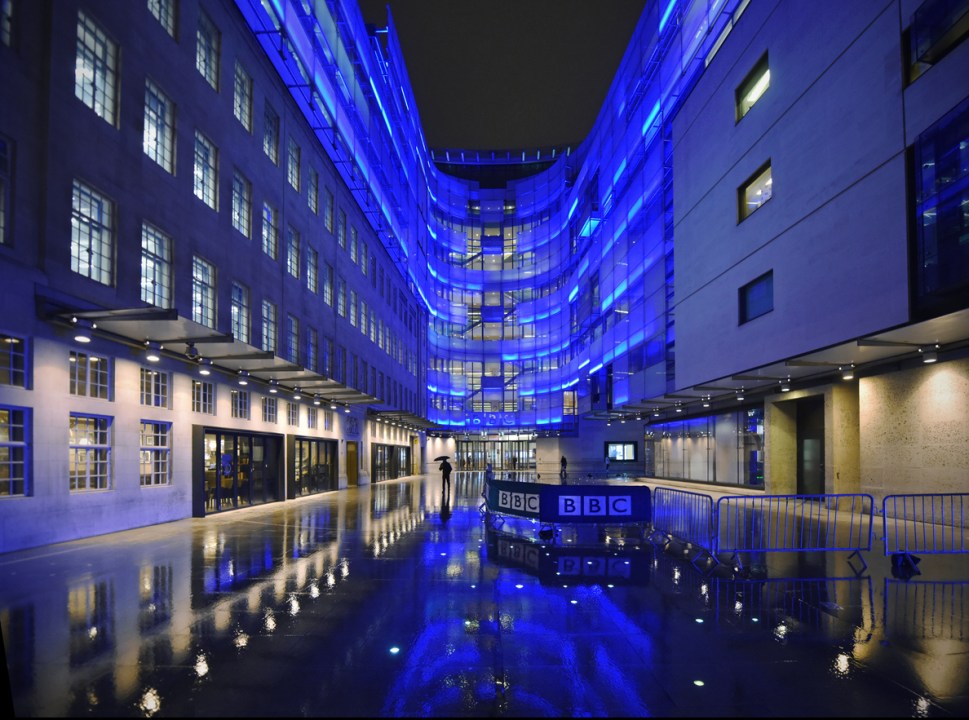
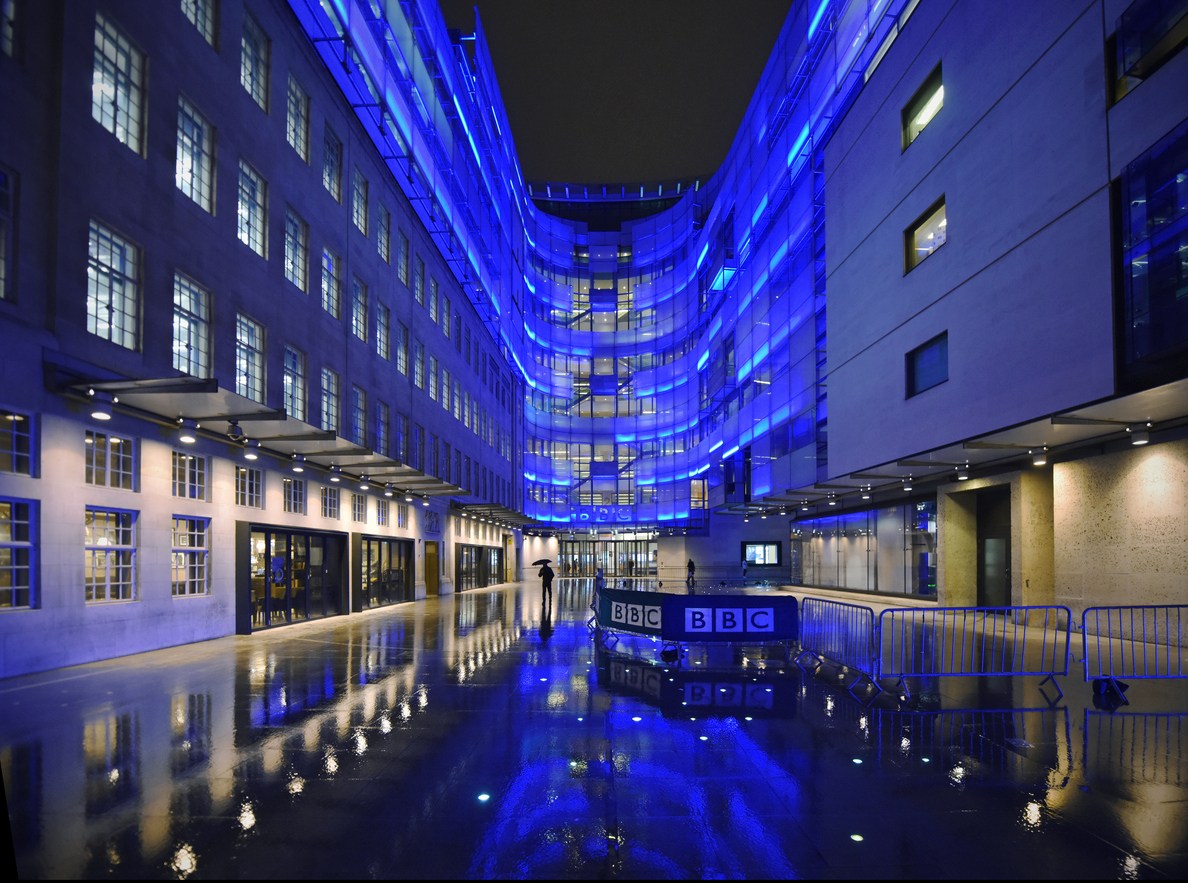
Does there need to be an independent inquiry into anti-Semitism at the BBC? Last month, it was revealed that Lucie Kon – an award-winning documentary maker – received a £400,000 settlement from the BBC after it made her redundant in April this year. She claims that she was ‘forced out’ because she challenged the organisation’s culture of anti-Semitism (the BBC did not accept liability but acknowledged shortcomings in the way Kon’s case had been handled).
Kon’s case adds to the growing number of allegations of anti-Semitism and anti-Israel bias at the BBC, with MPs, Jewish groups and former senior figures within the organisation itself raising the alarm
Her case adds to the growing number of allegations of anti-Semitism and anti-Israel bias at the BBC, with MPs, Jewish groups and former senior figures within the organisation itself raising the alarm. A former director of BBC Television, Danny Cohen, has even said that, since the October 7th attacks, the public broadcaster has been ‘poisoned by anti-Semitism.’
Yet BBC management still insist that no external scrutiny is necessary. Last week, the BBC’s Deputy Director-General, Rhodri Talfan Davies, said he saw no need for an independent inquiry. ‘We have very, very robust processes – we review them regularly,’ he insisted. Nor, it seems, did he accept that the BBC might be ‘institutionally discriminatory’.
But my own experience offers reasons to specifically question Talfan Davies’s perspective.
To explain, we need to return to the dark weeks following the horrors of October 7. To the dismay of many Jewish people, the BBC’s coverage of the war in Gaza seemed steeped in anti-Israel bias.
One afternoon, in a state of despair and with little expectation of a reply, I dashed off an email to the then-Director-General Tim Davie, urging him to come to Manchester and explain how our public broadcaster could behave in such an irresponsible way. The location was important: Jewish communities in the north, far from London, felt particularly vulnerable.
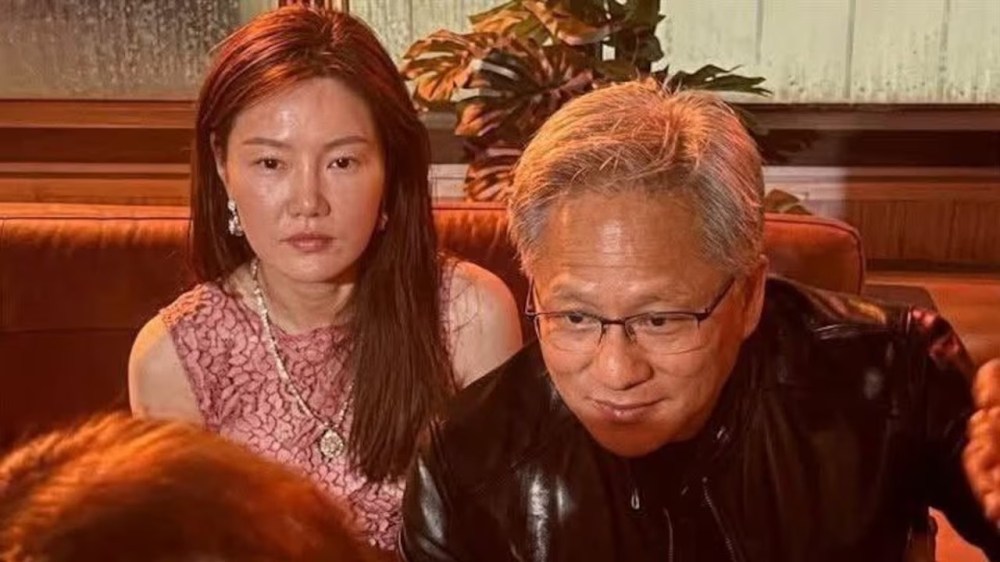
To my astonishment, Davie replied (I was only an occasional contributor to the BBC, so carried absolutely no currency). Although he denied there was a problem, he acknowledged my concerns and set up a meeting at Broadcasting House. He then agreed to a public consultation with Manchester’s Jewish community. He was unable to attend himself, but he promised to send someone sufficiently senior. That person was Rhodri Talfan Davies, then the BBC’s Director of Nations.
What followed, in March 2024 was possibly the largest ‘in person’ gathering between BBC senior executives and members of the UK Jewish community in history. It was a meeting I was privileged to chair.
More than 500 people packed into a local hall to level a series of unflinching accusations against the corporation. Why did the BBC refuse to call Hamas terrorists? Why did Jeremy Bowen refuse to apologise for saying Gaza’s Al-Ahli Arab hospital had been ‘flattened’? Why couldn’t the BBC – which we pay for – see the harm it was causing?
Talfan Davies, accompanied by Heidi Dawson, controller of BBC Radio 5 Live, put forward a robust defence. He argued that war reporting was ‘the toughest journalistic job’ and that assumptions were sometimes made. (That Bowen is now facing renewed accusations of compromising the BBC’s impartiality, after describing the situation in Gaza as genocide at a private event, is a matter for another day.)
One audience member reminded Talfan Davies of another of the BBC’s failings where Jewish people were concerned. Back in 2021, a BBC report claimed that Jewish schoolchildren who had been attacked by passers-by on Oxford Street as they celebrated Chanukah had shouted an Islamophobic slur in response. In fact, they had been speaking Hebrew. The BBC subsequently received a stinging Ofcom rebuke, with the regulator finding, ‘significant editorial failings’ and breaches of its guidelines on due accuracy and impartiality. To his credit, Talfan Davies conceded to the unimpressed crowd: ‘I got that wrong.’
You might think that after the bruising encounter, and three further round-table discussions in Manchester, the dial might have moved. Yet in a subsequent letter to the event organisers, Talfan Davies maintained his position. While acknowledging that mistakes had been made, he rejected the suggestion that the BBC had a systemic rather than sporadic problem with anti-Semitism.
Two years on, that confidence has been severely stress tested. One scandal after another has engulfed the corporation, from the BBC’s coverage of Bob Vylan at Glastonbury to the revelations by investigative journalist David Collier that a child narrator of the BBC documentary Gaza: How to Survive a Warzone was the son of a Hamas minister.
Yet this expanding rap sheet has still failed to shift Talfan Davies’s perspective. His intransigence is deeply troubling and illustrates precisely why the decision on an independent inquiry should not be his to make.
On a personal note, I must stress that throughout my dealings with Talfan Davies he was always courteous and considerate – and never indifferent to Jewish suffering. After the Manchester event, he wrote to the organisers: ‘the growth in antisemitic attacks and abuse is deeply concerning, and I saw for myself in Manchester the depth of pain and fear it has created in your community.’ He has also spoken to Jewish BBC employees following the Lucie Kon case.
But being a decent bloke is not enough. At the end of that night, when I asked the audience who still didn’t trust the BBC, 500 hands shot into the air.
This country needs a responsible, impartial public broadcaster. This week the corporation’s Director-General Matt Brittin suggested the BBC could enshrine a crackdown on anti-Semitism in its next charter – but that kicks the can down the road (the charter doesn’t expire until the end of 2027). Though Brittin also said this week there was a need to immediately ‘improve the culture’ at the corporation.
Which is precisely why an independent inquiry would be an important step towards ensuring this. Talfan Davies should not be the one making that call. His refusal to grant an inquiry suggests he has forgotten that meeting with Manchester’s Jewish community. But they have not forgotten – or indeed forgiven – him.



Comments