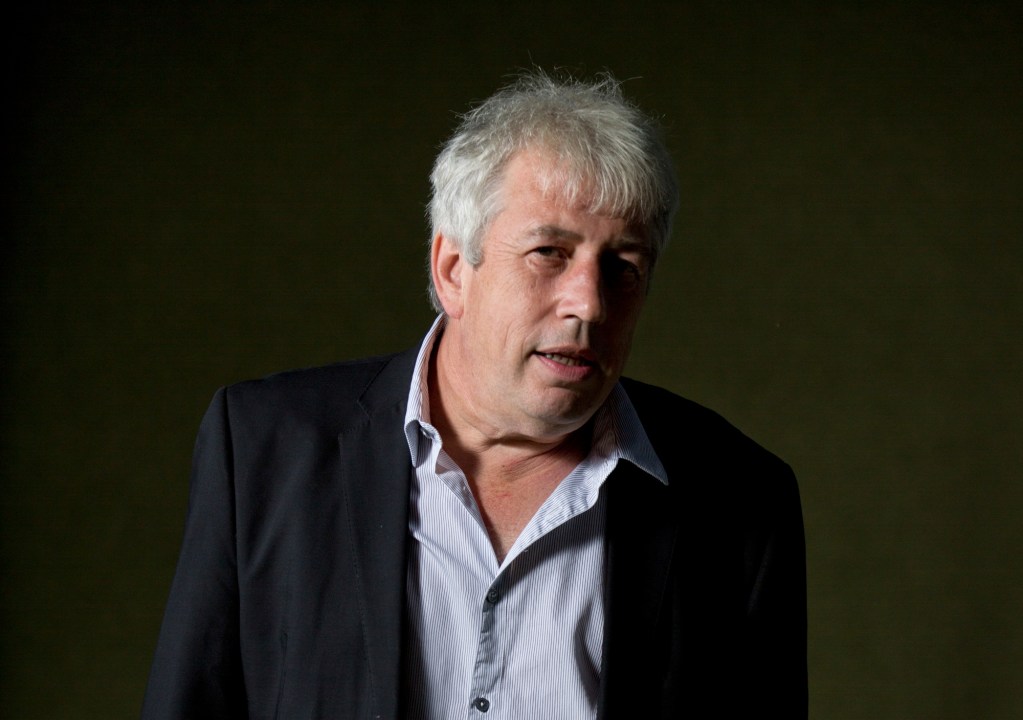
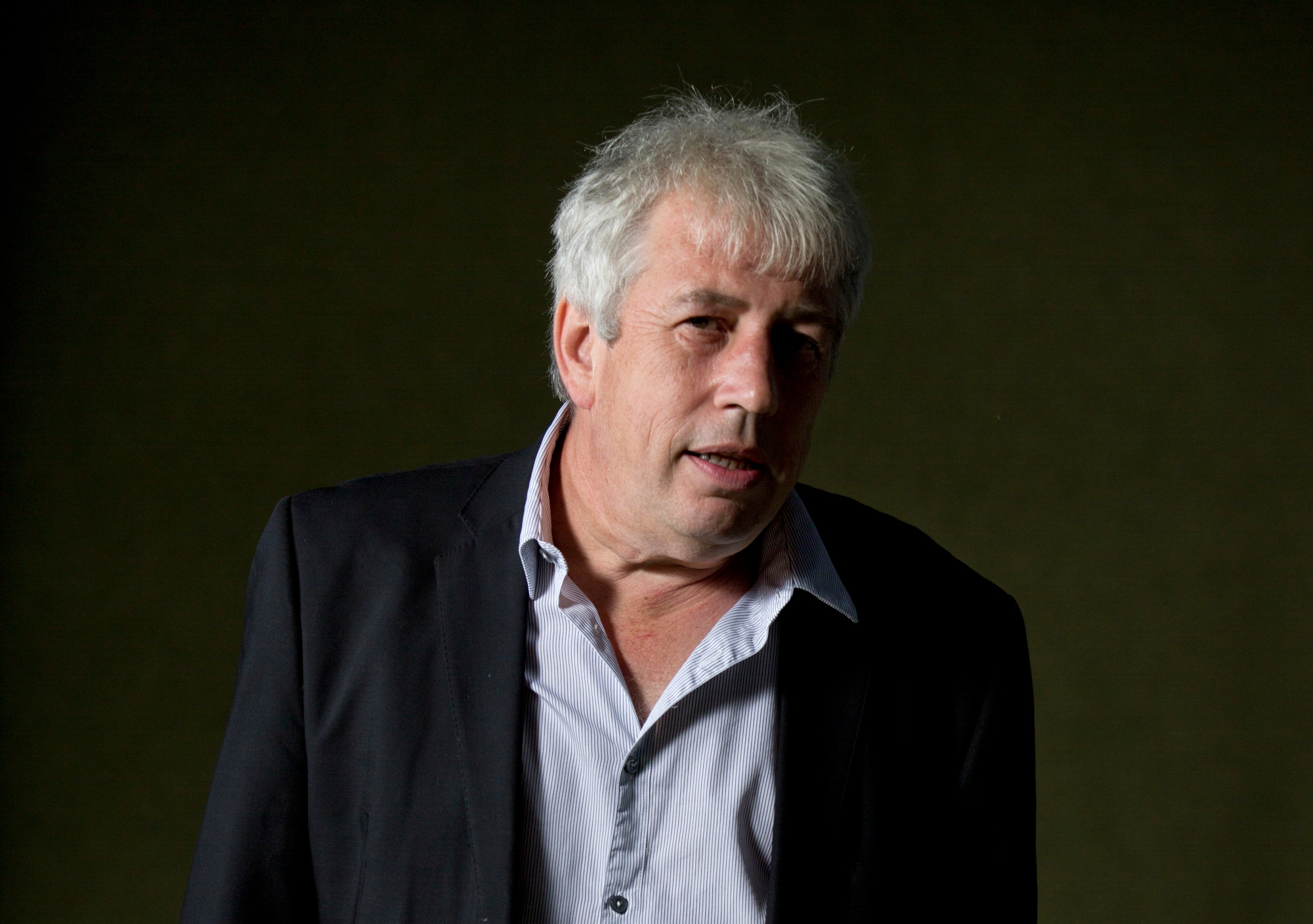
I regarded Rod Liddle as a close, loyal and utterly brilliant friend for 42 years. We first met in 1984 as parliamentary research assistants working for members of Neil Kinnock’s shadow cabinet. Rod worked for Barry Jones, shadow secretary of state for Wales. I worked for Donald Dewar, shadow secretary of state for Scotland. Rod was a sophisticated mystery even then. It took me months to work out that he was still studying for his degree at the London School of Economics. While I toiled away at my desk between 9 a.m. and 5 p.m., stopping only for lunch in ‘Plod’s’, as we called the cafe off Westminster Hall frequented by police officers and security staff, Rod took regular brief absences from work to dash from SW1 to WC2 to attend lectures. He must have been one of very few students in 1985 who wore a smart suit. It certainly impressed the girls. There were two things I noticed then: he never lacked attractive female company and he almost always carried a newspaper.
Rod wore his learning lightly, but his commitment to the world of ideas was sincere, lifelong and vividly apparent
Rod’s affection for newspapers helped me meet my wife. I had spotted in Plod’s a delightful looking brunette whom I guessed had to be a Conservative. One lunchtime in 1986, I asked Rod if he knew who she was. He explained, with his usual blithe confidence, that she was an American and that he had noticed that she did the Times crossword very fast. He concluded that she was plainly bright but he did not fancy Tory girls. He urged me to ask her out. Reluctant to wimp out in front of my friend, I approached Dorothy Willamson (now Mrs Dorothy Luckhurst) and asked her how the crossword was going. Her answer made me laugh out loud, not because it was not charming but because she spoke in a perfect Kelvinside accent. I reported back: ‘Rod, she’s from Glasgow! She’s not American. She’s posh Scottish. Westbourne School for Girls and St Andrews University. She sounds like Donald Dewar’s ex-wife!’

My most recent encounter with Rod took place at the James Cook University Hospital in Middlesbrough in the first week of July. Rod was in his bed in a mixed public ward. He knew he was critically ill. He had every reason to be acutely miserable. He knew he faced complex surgery and that it might kill him. Yet Rod was full of good cheer and self-effacing humour. For two hours as I sat with my friend and his children, he entertained us and anyone else in the ward who was listening. He was clearly very popular among his fellow patients and with the hospital staff, about whom he spoke with respect verging on reverence. I recall only one surprise: Rod insisted that he had absolute faith in God and was quite certain that he had nothing to fear. He had never previously shared with me such certainty about his Christian faith.
I should have seen what was coming. Instead, I went on holiday to the South of France and promised to be in touch as soon as I returned. My last text message from Rod Liddle arrived shortly after I arrived at a villa close to Montpellier. It said, ‘Hallo my friends x. Operation astonishingly successful every bit gone. See you soon. Have a lovely holiday.’ Again, I should have guessed. He did not send another message.
Rod must have known that he was very ill when he last came to dinner with us here, at the residence Durham University provides in my role as principal of South College. Our other guest, on that occasion, was the brilliant Professor Jolyon Mitchell, Principal of St John’s College Durham and an academic theologian. Rod and Jolyon’s extended debate was lively, enlightening, amicable and intensely entertaining. Rod wore his learning lightly, but his commitment to the world of ideas was sincere, lifelong and vividly apparent. I am glad Rod was not an academic. His ideas reached a huge audience through his columns here in The Spectator and in the Sunday Times. However, he delighted in academic debate and could hold his own and more with the brightest and the best.
Rod was a wonderful friend and he played a defining role in my life. I will miss him for as long as I outlast him. Rod was not simply Britain’s most impressive columnist. He is irreplaceable. I hope and pray that I shall see him in the afterlife in which he believed absolutely, and I hope to find the faith he professed.


Comments