
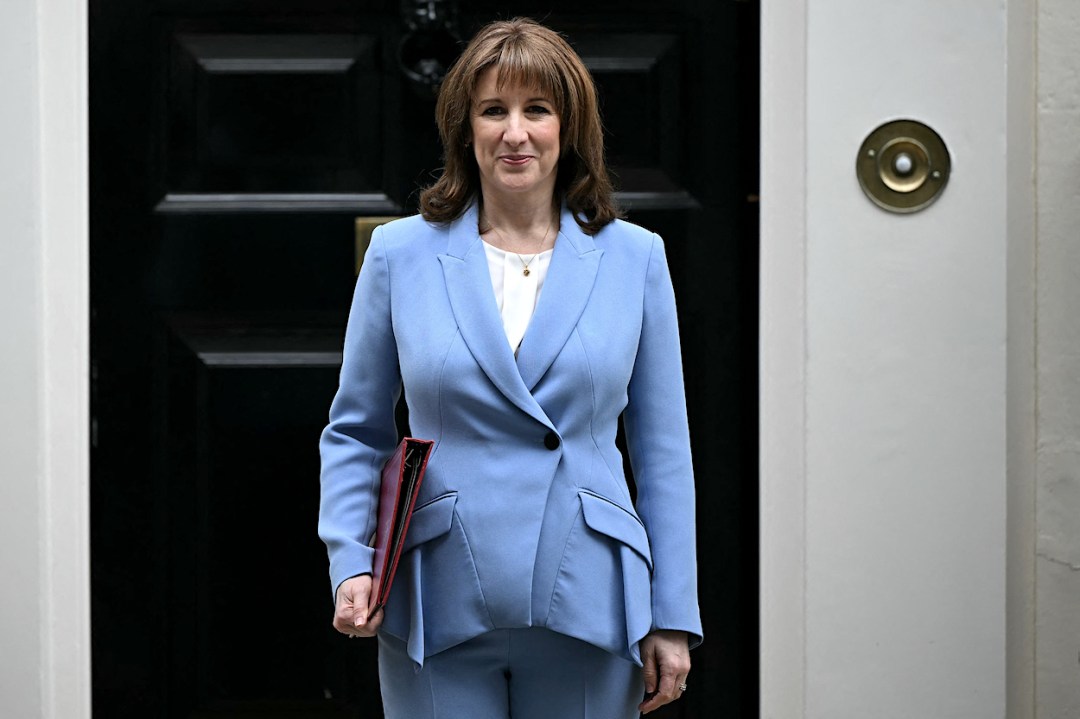
Rachel Reeves got what she wanted: an uneventful spring statement. It’s not even leading the homepage of the Financial Times. But that doesn’t mean it doesn’t matter. The forecasts the Chancellor read out from the Office for Budget Responsibility (OBR) do not paint a pleasant picture of Britain’s economy.
Growth for this year was slashed compared with a year ago – coming in at just 1.1 per cent. Reeves seemed pleased that it then picks up to 1.6 per cent over the next few years, but that is not the kind of growth we need to turn around a country that has felt stagnant for years.
By the end of the parliament, voters will be on average £1,000 per year better off, Reeves claimed. And that is, in fairness, improved on the numbers that accompanied her November Budget. The Chancellor wants that to be seen as a big win, telling the commons: ‘I know that the question people will ask themselves at the next election is this: Are me and my family better off? I am determined that the answer will be yes.’ But again: after years of falling living standards will anyone even notice the difference?
The Chancellor’s next chance for victory was on inflation, which the OBR now expects to come down more sharply than they had expected to last Autumn. Indeed, the Bank of England thinks it could reach the 2 per cent target as early as next month.
Great, if that turns out to be true. But the trouble is events in Iran make much of the statement – and nearly all of the OBR’s forecasts – fantasy numbers for a world we no longer live in. Over the last two days UK wholesale gas prices have doubled – the largest price spike since records began. These new market realities are not reflected in the OBR’s document and so it is already terribly out of date.
‘Six cuts in interest rates since the general election… and inflation has fallen’, the Chancellor declared. But gilt yields were spiking before Reeves entered the commons this morning – reflecting the fact future cuts are now in doubt as the inflationary tiger roars once more.
Even before you factor in events in the Middle East, there were fantasies made at home that continue to go unaddressed too. The welfare bill is still skyrocketing – hitting £407 billion by the beginning of the next decade. We’re fast approaching two million unemployed. Those structural problems in our economy continue to go ignored.
But the biggest make believe of all – November’s tax and spend plans – remain. As Paul Johnson points out, Reeves’s numbers imply spending cuts in many government departments in the election year with big tax hikes on the way too. That might balance the books, but does anyone really think they’re going to happen?





Comments