
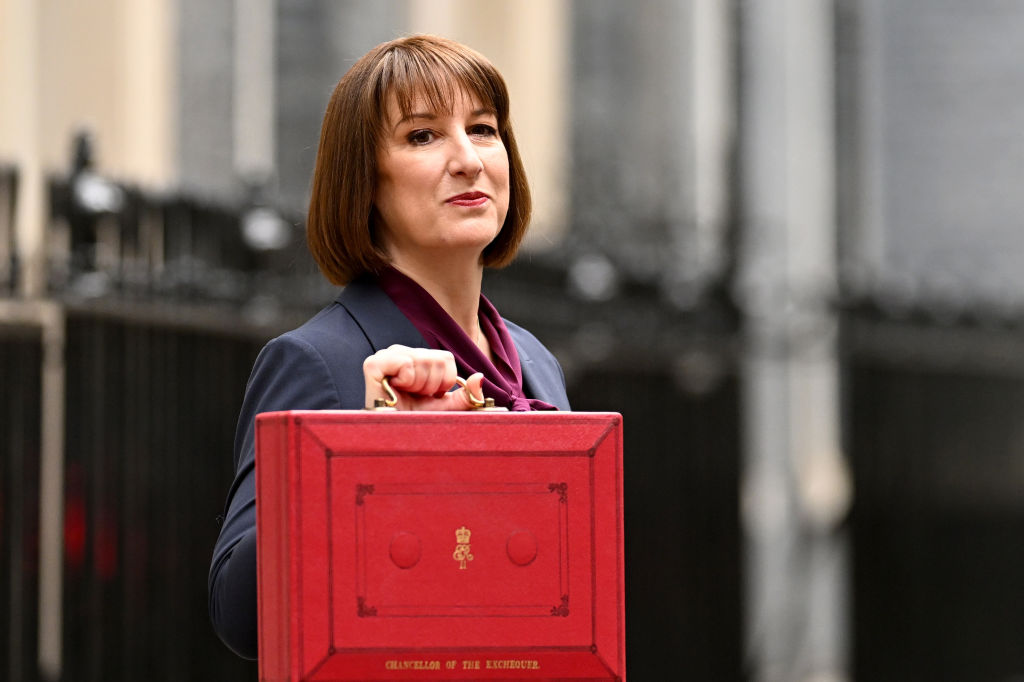
Rachel Reeve’s jobs collapse is trundling on. Figures just released by the Office for National Statistics (ONS) show that 155,000 payroll jobs were wiped out in the year up to November. Some 33,000 were lost in a single month.
In total, over 200,000 jobs have disappeared since the Chancellor’s first Budget when she announced a £25 billion raid on employer National Insurance.
In response to that tax hike, and throughout the uncertainty in the run-up to Labour’s second Budget last year, business paused their hiring plans and stopped replacing staff as they left. They don’t appear to have begun rehiring. Flash estimates for December (which are very likely to be revised) show a further drop of 43,000 jobs.
Joe Shalam, policy director at the Centre for Social Justice points out that these job losses are hitting the young hardest, with 90,000 fewer under-24s on the payroll since the election. ‘Graduate jobs are drying up, thousands are signing onto sickness benefits each day, and the number of children growing up in workless households is rising. ‘Without radical action to get Britain working again, it is hard to see how the government can fulfil its economic growth mission,’ he said.
Meanwhile, wage growth continued to ease, with a slight fall to 4.7 per cent. This is a decent bit above inflation and November also saw more growth than economists had expected. This means we are unlikely to see a cut to interest rates in the next few months. Especially as tomorrow’s inflation release from the ONS could see the headline CPI rate going back in the wrong direction thanks to statistical quirks in how prices are measured. More on that tomorrow.
Back to the jobs market though. There are some small positive signs if you squint hard enough. Vacancies are up slightly, having been in freefall for years. More importantly, the recent rise in the headline unemployment rate is not purely a negative story. Unemployment – confusingly – only includes people who are actively seeking work. Those who don’t want jobs at all are deemed ‘economically inactive’. So when the rate goes up it can be because more workless people have at least decided to start hunting for a job.
That seems to be at least part of what’s going on here. While unemployment has increased by 280,000 people in the past year, economic inactivity has decreased by 286,000. There is though a massive caveat: can we trust the data?
Unlike payrolled jobs data – which comes direct from HMRC – the unemployment rate and inactivity numbers are based on the now infamous Labour Market Survey. The ONS has done lots to try to fix the survey but many still doubt its reliability. For the sake of Britain’s economy let’s hope the fall in economic inactivity is correct.




Comments