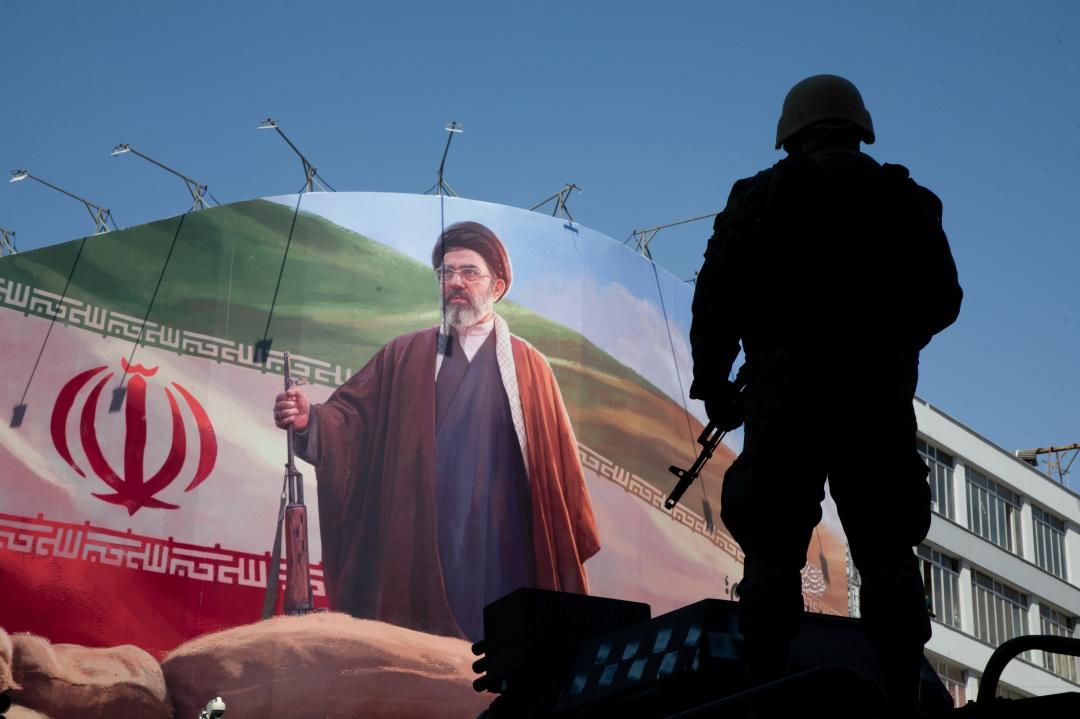
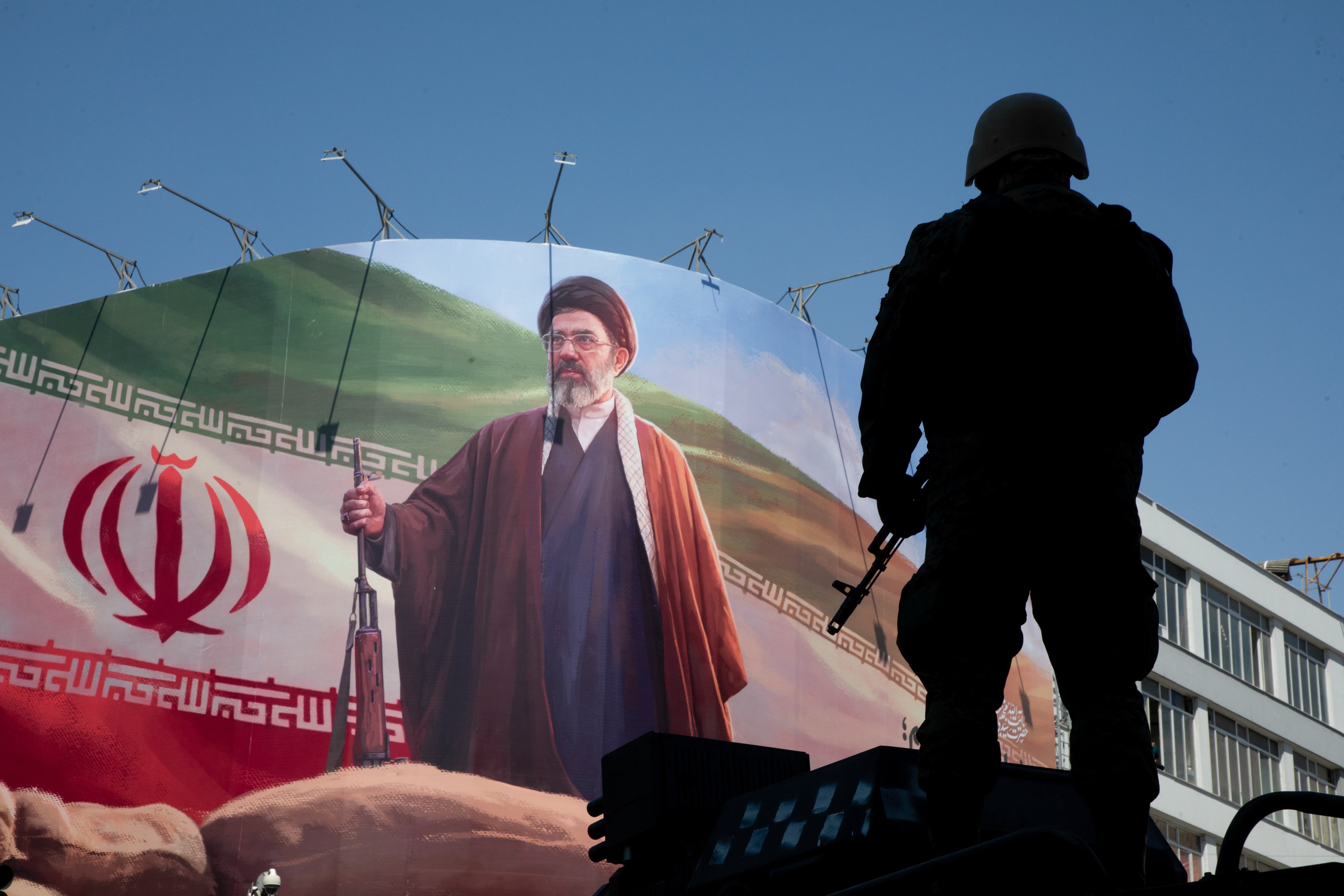
The US and Iran have failed to reach an agreement after 21 hours of talks in Pakistan. No surprise. After all, we didn’t have to wait for the negotiations to finish to make an informed guess of the outcome.

America and Iran agreed on a ceasefire conditional on the Islamic Republic’s complete opening of the Strait of Hormuz. It has so far refused to honour that condition. Earlier this week, President Trump responded with fulminations: Iran ‘better stop now’ if it’s charging tankers to pass through. But, in practice, all he has done is applied more pressure on Nato allies and sent Vice-President J.D. Vance to head the delegation in Islamabad.
The ceasefire agreement did not include Lebanon – where Israel is battling to destroy or at least neuter Hezbollah. However, Iran is now insisting on that as a condition of the truce. Trump’s response has been to insist that Israel negotiate with Lebanon in Washington ‘as soon as possible’ – even though the Lebanese government (if there is such a body) has no control of Hezbollah. As Brendan O’Neill pointed out on Coffee House, this is the terror group raining missiles and rockets on Northern Israel, creating ‘Jew-free swathes of territory – just as the anti-Semites of Hezbollah like it’ and, as friends with relatives there tell me, forcing Israelis into bomb shelters every day.
Little wonder then that negotiations stuttered to a halt overnight. Summarising the talks, Vance told reporters: ‘We’ve had a number of substantive discussions with the Iranians, that’s the good news. The bad news is that we have not reached an agreement and I think that’s bad news for Iran much more than it’s bad news for the United States of America.’ Once again, no surprise. The Pakistani government – which Vance thanked for its role – is hardly an unbiased mediator, its foreign minister having declared in a since-deleted post: ‘Israel is a curse for humanity. I hope and pray people who created this cancerous state on Palestinian land to get rid of European jews (sic) burn in hell.’ As the talks drag on, China is preparing to ship new air defence systems to Iran during the ceasefire, destroying the US’s control of Iranian skies – if indeed such control exists.
To assume Iran would ever agree to Washington’s terms strains even Gottfried Leibniz’s optimism
Vance has insisted that Washington’s terms are their ‘best and final offer’. But to assume that Iran will ever agree to these terms strains even Gottfried Leibniz’s optimism. It is to assume that Iran will agree to restore international waterway status to the Strait of Hormuz, transfer its nuclear stockpile to a safe depository and help bring peace to northern Israel. It is to assume that Iran – flush with daily millions in tanker toll fees – will not use those funds to rebuild its military. It is to assume that the Shia-majority regime – which dubs its Sunni neighbours ‘dogs’ – will not use control of the strait to disadvantage those ‘dogs’ and threaten them with dire consequences unless they close US military installations. It is to assume that the Europeans will find the will and the way to help America heal and unify the fractured region.
I would rather assume I am wrong.



Comments