
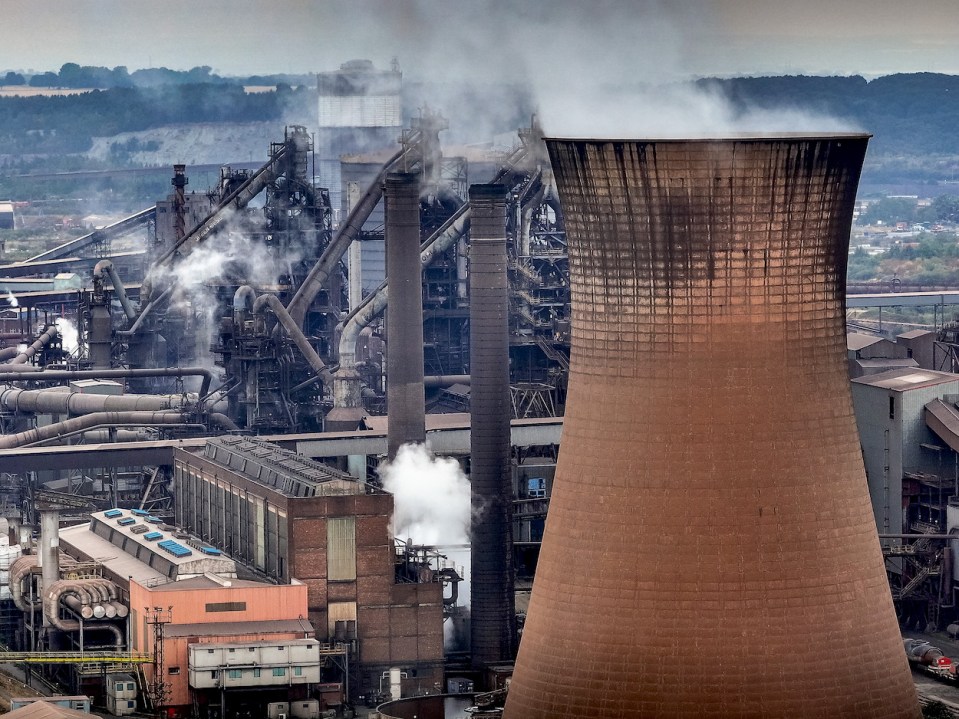
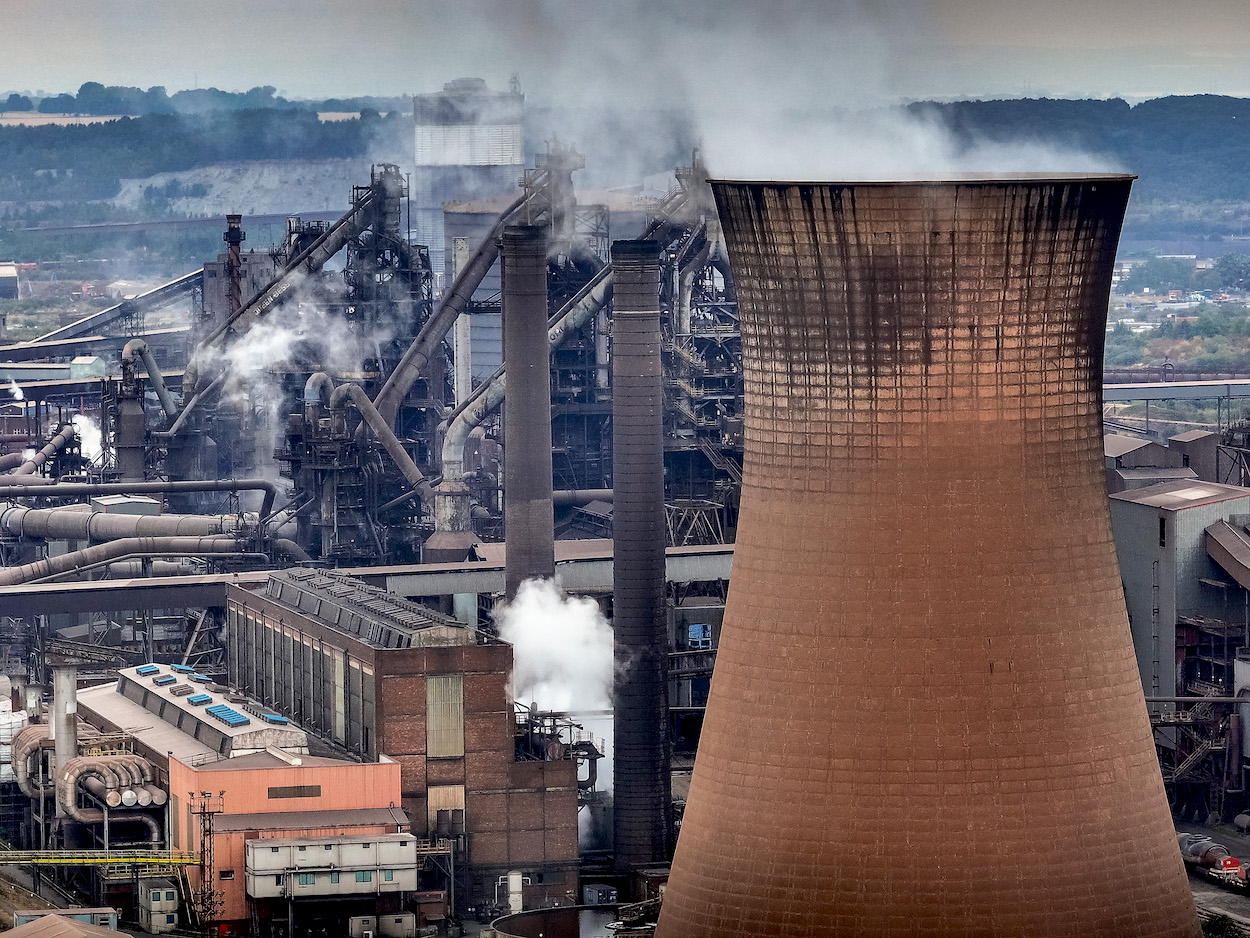
Keir Starmer won’t leave much of a legacy, but his last week has brought one thing which will be seen as a totemic achievement in Labour circles: he has completed the nationalisation of British Steel. Not only will that warm the cockles of his party members, but Starmer has stolen a march on Nigel Farage, who had also proposed to nationalise what remains of the steel industry.
It would be easy to dismiss this as a 1970s tribute act, or a socialist dream of driving towards full collective ownership of the means of production. But in truth, taking British Steel into government ownership – at least on a temporary basis – can beto be a pragmatic policy, essential for national resilience and security. The company’s Chinese owners, Jingye, had threatened to close the blast furnaces at Scunthorpe, taking with it Britain’s last capability for primary steel-making (Port Talbot has closed its blast furnaces, and is building an electric arc furnace which will only be able to recycle steel). The government did try to find another private buyer, but failed. There are companies which have survived, and thrived, after being taken into temporary public ownership, such as Rolls Royce, which was nationalised in 1971 (under Edward Heath’s Conservative government) before being privatised again in 1987.
This said, steel-making in Britain will remain chronically uncompetitive, and therefore ultimately doomed, so long as UK steel-makers are forced to pay the highest energy prices in the world. They are being stung, not just in comparison with Indian and Chinese competitors but relative to European ones, too. In April, the trade body UK Steel complained that UK producers pay £84 per megawatt-hour for their electricity, compared to German producers who pay £65 and French producers who pay £48. The UK government has attempted to undo some of the damage by introducing a British Industrial Competitiveness Scheme, which provides some relief from green levies. Yet that doesn’t help tackle the underlying high costs of electricity in Britain. Our electricity system, which is now based around high levels of intermittent renewables backed up with short-term bursts from gas peaking plants, is proving extremely expensive. We pay through the nose for power from the gas plants, because buying electricity for short periods costs far more per unit than if we were buying a steady baseload. Then we pay again to compensate owners of wind farms when they are generating too much power to be fed into the grid.
Nationalising British Steel is not going to counter this problem. Indeed, it seems to have led to the Scunthorpe plant losing even more money. In March 2025, when Jingye announced it wanted to close the plant, it was reported to be losing £700,000 a day. It was then taken under government control, ahead of full nationalisation. A year later the National Audit Office reported that the government was losing £1.3 million a day operating the plant. If we are going to avoid repeating the mistakes of the 1970s, when government kept propping up chronically uncompetitive and unreformed industries for fear of losing jobs, the Burnham government is going to have to come up with a viable plan to make steelmaking in Britain competitive again – and that is only to be achieved with cheaper energy.





Comments