
This is not an edifying election. That’s putting it delicately. An honest look at the quality of the candidates and the arguments they are making is a depressing sight to behold.
All across the country, voters are being asked to choose among truly dreadful candidates, whose main argument is that “the other guy is much worse.” Both parties do it. They do it because it works.
Unfortunately, the candidates don’t have to exaggerate to underscore how bad their opponents are. That doesn’t stop them from making it their battle cry. “My opponent is more corrupt than Tony Soprano.” “My opponent believes transgenders should play in your kid’s sport. After he’s rammed that outrage down your throat, he’ll force your kid to marry one.”
Those quotes are fictional, of course, but the mudslinging is not. It’s pervasive, and it dominates this year’s election politics. Millions of dollars are being spent on negative ads and very little on positive ones. There’s a reason: negative emotions are powerful motivators, and political consultants know it.
This hostile rhetoric, plus the deep chasm between the parties, will have a predictable effect at the ballot box. It will lead to a tidal wave of negative voting. Instead of voters marking their ballots because they like Candidate A, they will mark them because they truly loathe Candidate B. That’s what they are telling pollsters, “I’m voting for my candidate because his opponent is so awful.” Worse yet, they are often right.
The second striking feature of the upcoming midterms is that they have been “nationalized,” at least for the House and Senate. Local issues still matter, of course, but for more and more voters, the overriding issue is not whether Candidate D or Candidate R is better for my state or my district. The overriding issue is which party they want to control the House and Senate.
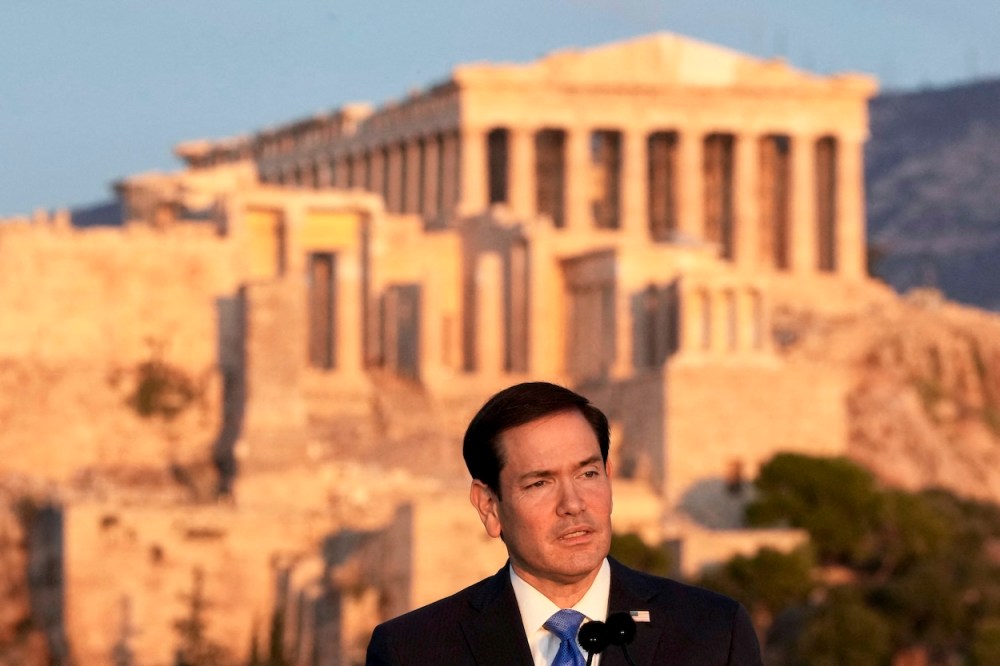
That priority makes sense for House seats since that chamber is tightly controlled by the Speaker, who is chosen from the majority party. Individual members find it almost impossible to go their own way. Just look at how effective Nancy Pelosi was, corraling votes with a razor-thin margin for error. Mike Johnson, her successor from the other party, has been equally effective, dealing with the same problem.
Senators have more autonomy than House members, so there is less party unity. Still, voters place a high priority on which party controls the Upper Chamber. Political ads underscore that priority, mostly by tying candidates to President Trump (for or against).
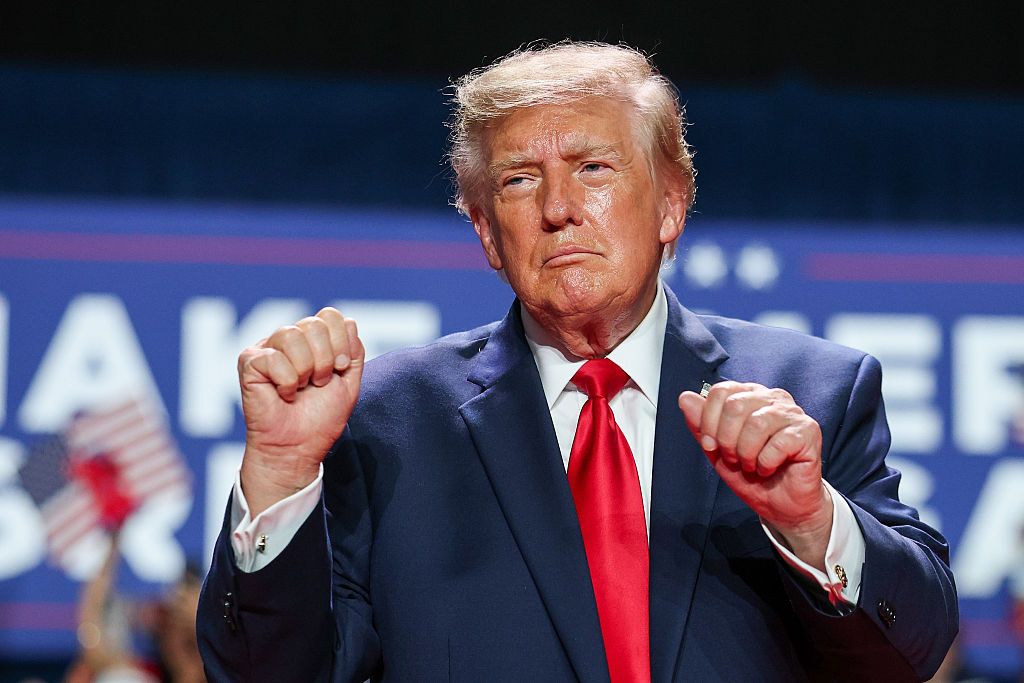
Donald Trump is the most consequential American politician of the 21st century. His dominance can be felt, once again, in this election. Trump’s name is missing from the ballot, but his presence is not. The crucial question is how much his missing name matters for turnout – for and against Republican candidates.
In the Republican primaries, his endorsement was decisive. Just ask Senator John Cornyn. In the general election, however, Trump’s presence cuts both ways. It motivates both Republicans and Democrats. It’s not clear who will be motivated more, though normally the party out of power has the edge in off-year elections.
Trump certainly knows that. He is spending a lot of time and money on the campaign trail, hoping to turn out his voters.
He’s right, too, when he tells voters that this election will have enormous consequences for his final two years in office. If the Democrats win either chamber, they will spend all their time blocking everything he tries to do and investigating him and his family for corruption. If they have a positive agenda, it will be an afterthought, mostly serving up aspirational ideas for the 2028 presidential election.
If Democrats win the Senate, they will block his nominations in the executive branch and judiciary, an unprecedented escalation of inter-party warfare. Trump’s response will be a torrent of vitriol and an effort to govern by executive order. Democrats will turn to District Courts to stop those orders before losing at the Supreme Court.
If you find this kind of negative election disheartening, if you are repulsed by the non-stop mudslinging, don’t despair. It just means you are paying attention.





Comments