Why aren’t American companies passing on tariff refunds?
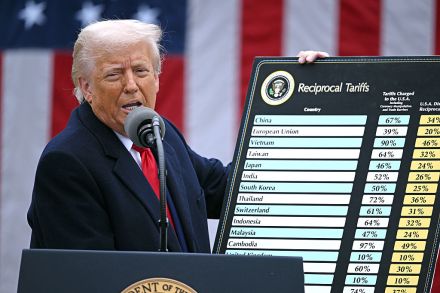
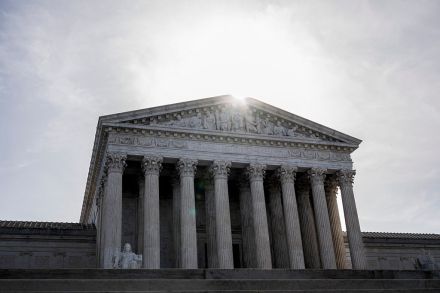
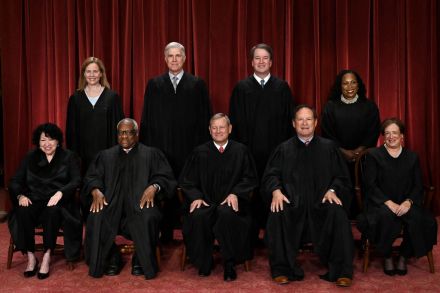
Even for an economy as large as the United States, $70 billion still counts as a significant sum of money. After the first round of President Trump’s tariffs were ruled illegal by the Supreme Court, customs officials have already issued that amount in refund checks. Here’s the problem, however: none of it appears to have been passed on to consumers in the form of lower prices. In reality corporate America is pocketing the money – but it is also playing with fire by inviting retaliation from President Trump. Almost no major policy has ever been quite so chaotically implemented as the tariffs imposed by President Trump on the oddly named Liberation Day in April last year.