
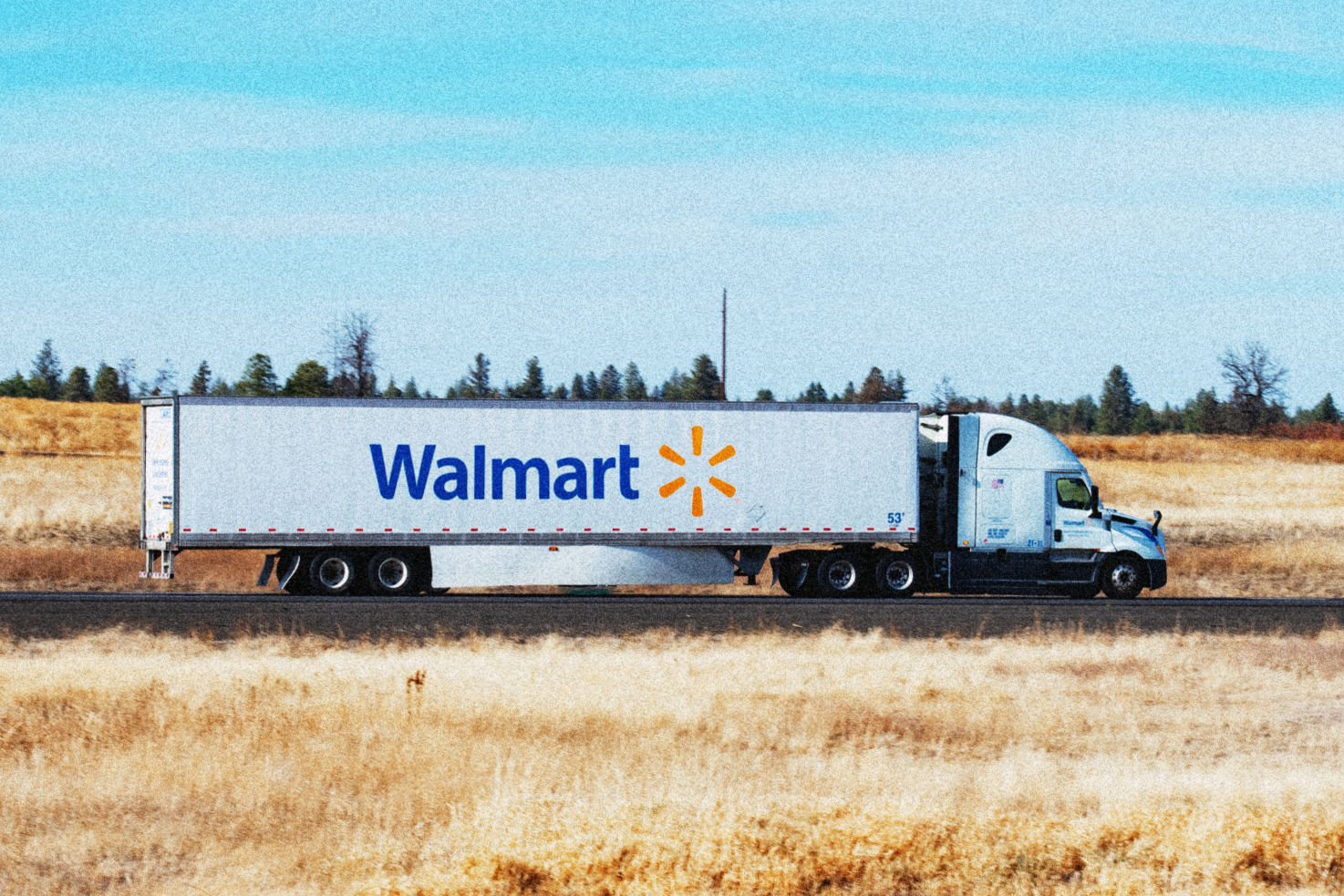
Here in the US, Memorial Day – which falls on the last Monday in May – is, officially, an occasion for mourning and honoring military personnel who have given their lives in service to this great country. Unofficially, it is an occasion for charred hot dogs, 24-packs of Bud Light and nationalistic merchandising usually confined to airport gift shops. In our household, however, Memorial Day marks something different entirely. It’s the day we make our annual pilgrimage into the heart of consumer capitalism: a Walmart in East Stroudsburg, Pennsylvania.
By now you might know that I live in Manhattan. You might, therefore, be wondering why exactly we’ve adopted this strange ritual, necessarily involving a rental car and gridlocked traffic on the George Washington Bridge. Rather than explaining myself, though, a better use of these column inches is to tell you about the experience of setting foot inside this sacred big-box arena and, indeed, about the rich anthropological – and educational – experience it can become if properly embraced and surrendered to.
The first lesson is a political one. It starts with a steamy carpark full of Hondas and Toyotas and the occasional Chevrolet Silverado, adorned with peeling bumper stickers that run the gamut from “Feel the Bern” to “Hillary for Prison.” More than just displays of automotive taste in the Steel Belt state, we’re provided an intimate glance into the lives and loyalties of those who live here. Not convinced that this country is as polarized as some headlines suggest? Spend 20 minutes here. You’ll change your mind.
Next, we walk into the mercifully air-conditioned store and an education in marketing and consumer psychology begins. Immediately, we notice the discount contact lens solution and cut-price kitty litter. The offers are so compelling – the signage so convincing – it’s all simply too good to refuse. Smugly, we load them into our boat-sized shopping trolley only to sheepishly remove them moments later. We haven’t worn contact lenses since 2009. And no, there’s no cat. There never will be.
As the humiliation of having been so easily manipulated subsides, another realization emerges: a lesson in self-awareness. Standing inside this enormous temple of physical commerce, we’re forced to confront how fully online our consumption habits have become. We’ve become accustomed to products being served to us with eerie precision. Search for a pair of running shoes and for the next three weeks every corner of the internet will attempt to sell you moisture-wicking athletic wear and electrolyte tablets. Mention an interest in gardening within earshot of your phone and Instagram suddenly becomes convinced you’re in the market for artisanal compost bins.
In these carefully curated digital worlds, there is at least some logic to the manipulation. The algorithm identifies a plausible version of who we already are and tries to sell us things accordingly. Walmart, by contrast, operates with a far more ambitious understanding of human psychology. Walmart doesn’t just respond to existing desires: it creates entirely new ones.
Which is where the knitting comes in. As we wander the aisles of discount patio furniture, industrial-sized condiments and novelty garden flags – as our eyes become accustomed to the aggressive fluorescent lighting, our noses stop registering the smell of rubber, detergent and faintly stale popcorn, and our ears actually start to quite enjoy the faint echoes of K-Pop emanating from distant, dusty speakers – we might happen upon the arts and crafts section.
A billowy ball of yarn evokes the fantasy of becoming the owner of a cottage in coastal Maine
We might suddenly lay our eyes on something that seems so antithetical to the digital-first reality we live by, so twee and quaint, that we can’t help but pick it up and take a closer look. It’s a set of three pairs of bamboo knitting needles – ethically sourced and sturdy, as the packaging promises. Next to them, a huge, billowy ball of yarn evokes wholesome nostalgia and the fantasy of becoming the owner of a cottage in coastal Maine.
Without engaging the rational part of our brains, we might find ourselves already at the checkout, reciprocating vapid well-wishes with the salesperson and then loading our bags full of bamboo knitting needles, pastel-colored yarn and a family-sized bag of pistachios into the back of our own Subaru Forester.
Days later, as I’ve just learned, we may well encounter the ultimate and most uncomfortable lesson: that Walmart can actually be right. Algorithms may know what we already want. But only a physical store – a sprawling fluorescent monument to impulse and possibility – can convince us that we might plausibly become someone else entirely. Contact lenses will always feel like sandpaper in my eyes. But back in New York City, I’m having a grand old time googling properties in Maine. The scarf should be ready by autumn.






Comments