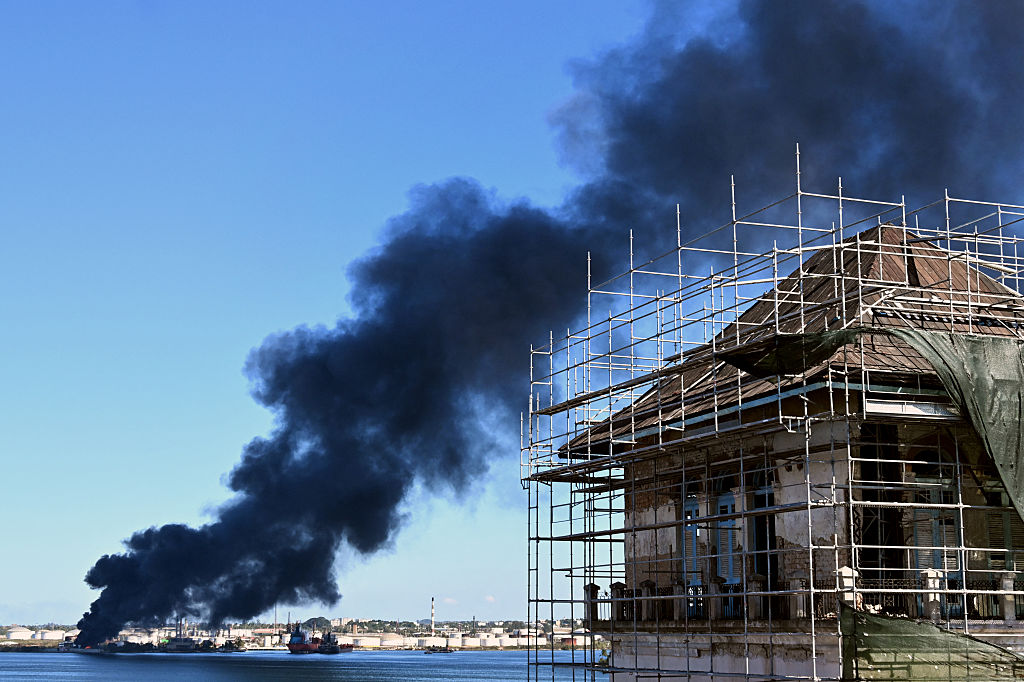
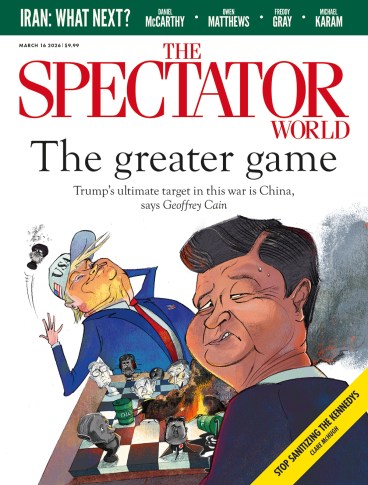
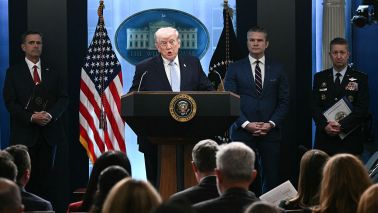
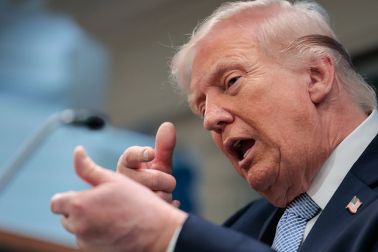
Now, I’m here to write about life in Havana, about daiquiris, fishing and salsa. But it’s fair to say life in Cuba has been getting a bit intense. Not as tense as it is elsewhere, but we’re very definitely on the list of countries where the US wants regime change. Washington has cranked up its 64-year trade embargo on the island into an all-out oil blockade. Donald Trump said he is hoping to conduct a “friendly takeover” of the island.
The Habanos cigar festival, which I had been planning to write about, has been “postponed.” So I find myself pushing aside my notes on the ever-higher prices of Behikes, instead scribbling the word, “siege” on my page. It all seems a little medieval.
The idea is to starve the government into compliance or the people into rebellion
I’m not going to get into the rights and wrongs of this situation, which is for elsewhere in the magazine, but I want to write about what it feels like to have a big, belligerent neighbor threaten to starve you into rebellion, or worse.
The answers are legion, but let’s start with uncomfortable and irritating. I remember mulling all this back in July 2021, after Cuba was roiled with protests that the Cuban state put down with authoritarian force.
Miami’s then-mayor, Francis Suarez, said: “What should be contemplated right now is a coalition of potential military action in Cuba.” Asked if that meant air strikes, he replied that they should be an option.
I remember looking out of my window in the direction from which the missiles would come – perhaps like everyday Iranians are doing as I type – and thinking about what a curiously uncomfortable feeling that is.
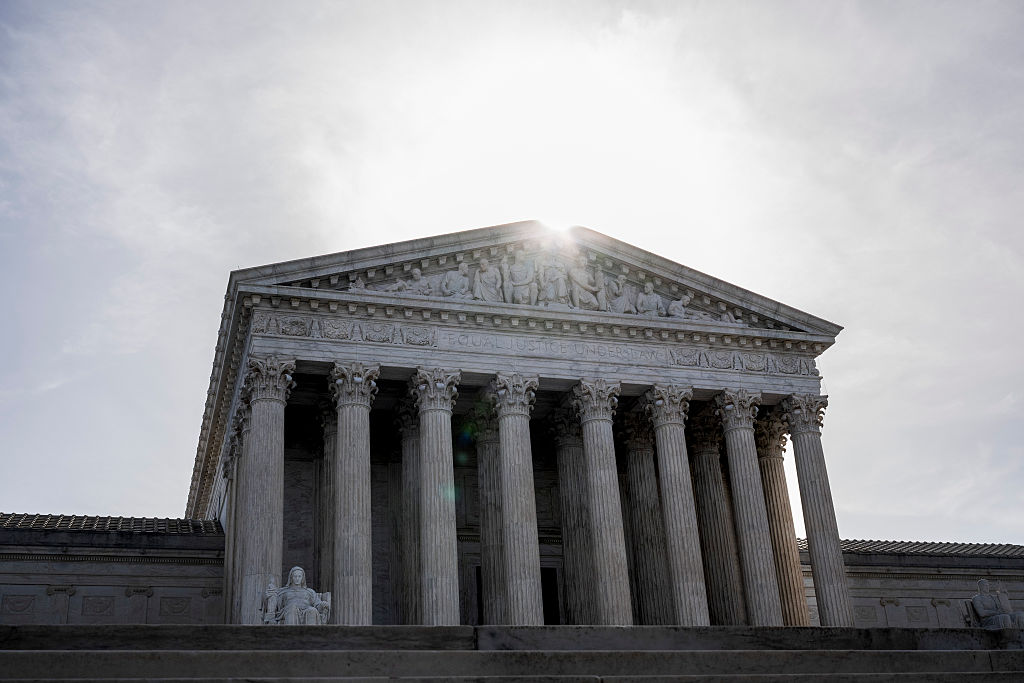
I’ve been struck by how easily people accept the firing of weapons, even in the place they were born.
Just before Christmas, I met Dariel Fernandez. Born just south of Havana, he escaped to Miami in 2002 at the age of 22. He has prospered, and was elected Miami-Dade’s tax collector last year.
We were in his office, surrounded by photographs of his handsome, broad Cuban face. I asked him about “intervention” and he replied with the question: “Do you like chemistry?” That threw me and I mumbled a bit about Bunsen burners, until he cut me off, saying: “Well, you’ll know what a catalyst is. What we need is a catalyst.” This could also have been expressed as “getting it over with” or “tearing off the Band-Aid.” What he meant is that for freedom to flourish, his former countrymen would have to be subjected to a life-threatening moment of indeterminate length. My euphemism of choice would be “biting the bullet.”
Fortunately for us, Washington’s latest moves seem less “kinetic.” Instead, the idea is to starve the government into compliance or the people into rebellion.
For the moment, we have food. But the dark genius behind the oil blockade is that without fuel, the power cuts that already rack the island for 12-plus hours a day could become absolute. That means no fans at night in the tropics, so no sleep. It means no refrigeration, so the little food people can afford will go off.
It could also mean the agromercados – where people buy fruit and vegetables – could empty as trucks stop bringing produce in from the countryside. It could mean the water distribution system that relies on electrical pumps could fail. That could, in turn, lead to hunger and disease.
And then, perhaps, protests. Now, I’ve noticed something about protests here. They almost invariably begin with the mothers of toddlers or babies. Unable to feed their children, these women feel compelled to approach some government building to complain. Others sense an opportunity, then get involved. Dariel’s catalysts are sick babies.
For the moment, my Cuban friends and neighbors seem calm; they are so used to crisis they have already begun adapting, working out how to live in this new reality. There are talks, apparently, between US officials and members of the Castro family. These seem reflected in a US willingness to let a little oil be imported by private businesses.
And now there is Iran. But we know we’ve not been forgotten.
Comments