Havana life

The marvels of Cuba’s national botanic gardens

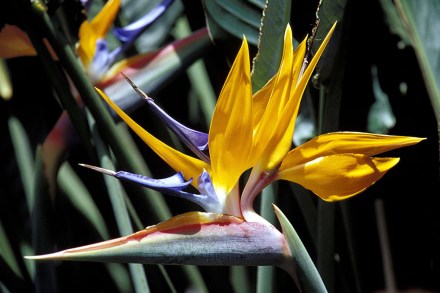
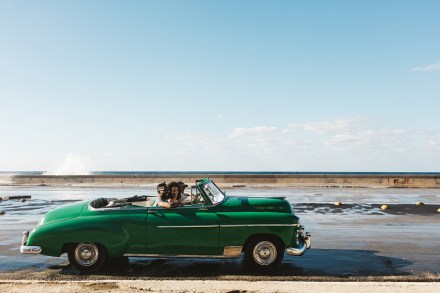
The last time I visited Cuba’s national botanic gardens, there was a wedding in a tucked-away corner by the Japanese pool. The happy couple stood at the water’s edge as jacanas – Jesus birds – walked the lily pads behind them. I have been thinking about that couple, as we’ve just heard that the botanics have closed due to the oil blockade the US is imposing on the island. The gardens were an escape in a collapsing city, not that we could still reach them, as there is no fuel. I have a small boy, Santiago, and it’s hard to entertain him in these trying times. On calm days, there is the beach, the beautiful miles of sand to the city’s undeveloped east, but with an empty gas tank, that too is out of reach.

Road-tripping across blockaded Cuba

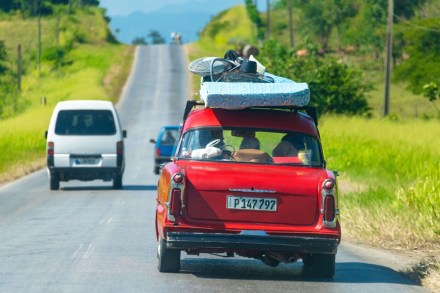
My wife Camila doesn’t drive, but she does direct. Studying the map, she’ll say, “This road!”, and before I know it, we’re off down some track, startling locals who haven’t seen a “yuma” – technically an American but really any foreigner – for years. Cuba is a country that lends itself to country road adventure. Besides drinking daiquiris, it’s perhaps my favorite thing to do. And it’s what I miss most now that it’s impossible: the US oil blockade that began in January means there is no gasoline. ‘Is this ceviche the red snapper or the snook?’ I asked. The waiter shrugged, ‘Once it’s ceviche it’s hard to tell’ Few others seem to do it.

Life under blockade in Havana

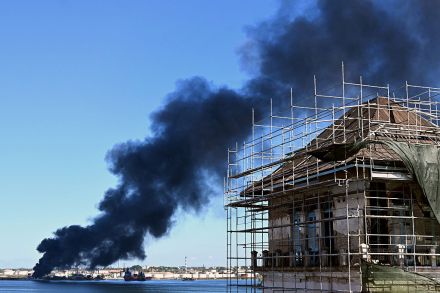
Now, I’m here to write about life in Havana, about daiquiris, fishing and salsa. But it’s fair to say life in Cuba has been getting a bit intense. Not as tense as it is elsewhere, but we’re very definitely on the list of countries where the US wants regime change. Washington has cranked up its 64-year trade embargo on the island into an all-out oil blockade. Donald Trump said he is hoping to conduct a “friendly takeover” of the island. The Habanos cigar festival, which I had been planning to write about, has been “postponed.” So I find myself pushing aside my notes on the ever-higher prices of Behikes, instead scribbling the word, “siege” on my page. It all seems a little medieval.

havana oil blockade

America’s immigration officers are among the most welcoming (except ICE)

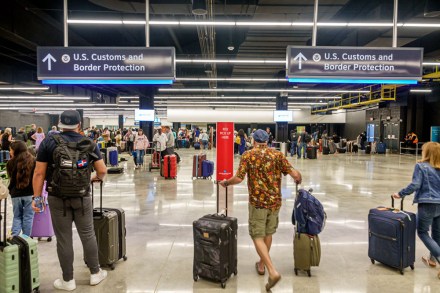
A frisson of fear tends to run through non-Americans when they face immigration in the United States. For years, young Brits have been warned prior to their first trip: “When you meet the immigration officer, don’t make jokes!” To boys cultivated to be insouciant in Britain’s posher schools, this usually means approaching the booth nervously repeating, “Don’t say bomb, don’t say bomb” – hopefully under their breath. However, I’d say the officers guarding America’s borders are among the most welcoming, and sometimes even funny, I’ve met – I’m excluding ICE, who sound awful. It’s often a surprise given I’m usually arriving from a country firmly on America’s State Sponsors of Terrorism list: Cuba.