
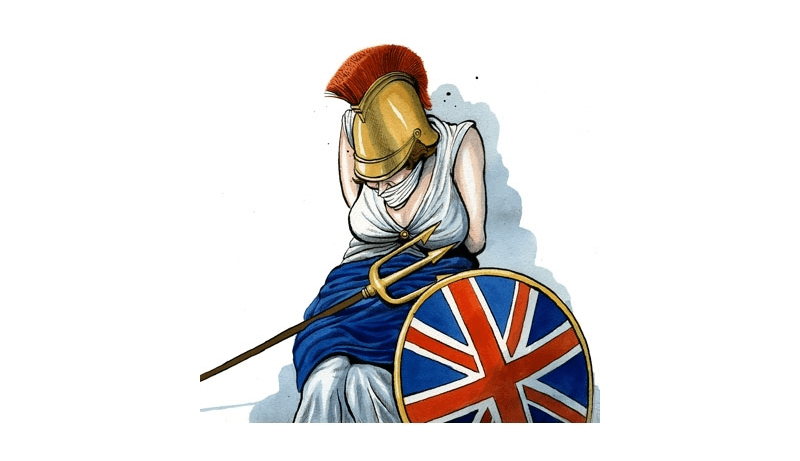
The slow demise of the United Kingdom is suddenly gaining speed. The proximate cause is Andy Burnham’s statement last Wednesday that Scotland and Northern Ireland are in ‘exactly the same’ constitutional situation and that majority public support was sufficient for either to secure a border poll.
However, longer trends brought us here, from historical population movements to the decline of Empire to the dawn of devolution. We’ll set aside the first two because plenty has been written about them already and focus instead on the third.
Devolution is the Trojan horse the Trojans built themselves
Today, the first ministers of Wales, Scotland and Northern Ireland have said that ‘Westminster’s time is coming to an end’ at a meeting in Cardiff Bay, in which they pledged to break up the United Kingdom. This was an inevitable consequence of the decision by the Major and Blair governments to agree to conditional sovereignty over Northern Ireland in exchange for peace. Part of that condition was the restoration of provincial self-government in the form of devolution, a consociational calamity.
Progress on anything substantive is impossible because Sinn Fein and the DUP are shackled to one another. Quangos proliferate, subsidies swell, and the second state, the taxpayer-supported network of charities, activists and peace industry hangers-on, continues to grow. Sinn Fein is now the dominant party and is naturally pursuing its primary policy of a united Ireland. It would be a strange political party if it didn’t.
The new Plaid Cymru government in Wales was elected amid promises that independence wouldn’t be its priority, but why shouldn’t it pursue its raison d’etre now it’s in government? As the recent Pisa results confirmed, Welsh education is in a sorry state, while NHS performance struggles to meet its levels of investment. But policy outcomes are small potatoes compared to the awesome power of the identity and the tribe.
Rhun ap Iorwerth, Welsh first minister, says: ‘Andy Burnham says Westminster isn’t working and I agree with him.’ It’s hard to disagree. If the British prime minister keeps telling the electorate that the political system is failing them, it’s only natural that some will look elsewhere.
Scotland was the canary in the coal mine. Unionists tried to warn Donald Dewar that setting up a Scottish parliament would turbocharge, rather than tamp down, Scottish nationalism but the arrogant old fool refused to listen. He had a fiefdom to found. Within just eight years, Scottish Labour had lost control of Holyrood to the SNP, which has remained in power ever since – 20 years next May. Once in control of the devolved institutions, the Nationalists instantly began using them as a battering ram against the UK.
They unilaterally renamed the Scottish executive ‘the Scottish government’. David Cameron changed the law to put their gambit on a statutory footing. They insisted their majority victory in the 2011 Holyrood election entitled them to a referendum. David Cameron gave them one. When they lost, they demanded another expansion of Holyrood’s powers, to raise taxes and create benefits. David Cameron legislated accordingly.
The SNP has proved singularly incapable of governing Scotland. It has failed to deliver its promises on education, NHS waiting times, road upgrades, ferries, climate change; there is almost no regard in which Scotland is meaningfully better off today than it would have been had devolution never happened. But the party can rely on a solid bloc of pro-independence voters who understand far better than the architects and enablers of the 1998 settlement that devolution is not a roadblock to secession but a shortcut. Devolution is the Trojan horse the Trojans built themselves.
The SNP has used the Scottish government to openly undermine Westminster policy on Brexit, with ministers even meeting foreign lawmakers and officials to lobby for a separate Scottish policy. They have used taxpayers’ money to open a series of embassies around the world, both to represent the Scottish government to foreign nations and to lay the infrastructural groundwork for independence. They promote their own foreign policy, despite these matters being reserved to Westminster, most prominently on the Middle East where the First Minister has accused Israel of genocide.
Westminster governments Labour and Conservative have had ample time to address these acts of usurpation, but they have neglected to do so because they simply do not care. Viewed from London, devolution was a way of making Scottish, Welsh and Northern Irish problems go away. Let them run their own affairs. Well, they’ve tried that and now they want more.
They have outgrown the (extremely expansive) boundaries of devolution and want the full powers of independence, though they very much want them without any of the downsides that come with self-rule. Whether the SNP, Plaid Cymru or Sinn Fein, they expect to get sovereignty and they expect England to cover the bill. Given the track record of Labour, the Tories, and the civil service, they will most likely get what they want and then some.
As a quick flick through the Coffee House archives will confirm, I have spent years warning that this day would come and urging one indifferent prime minister after another, in regards to Scotland, of the need to radically reform devolution or do away with it altogether. Spads would call, meetings would be held, agreement would be expressed, and then interest would disperse with the next turn of the news cycle. Devolution reform is still possible but the scale of change needed, and the political capital required to carry it through, is now much more daunting.
Even after today, I’ll doubt there will be sustained interest in reining in devolution in England and Wales. The news cycle will turn again and everyone will return to the comforts of complacency. Britain’s elites – and not just her elites – no longer believe in her enough to defend and preserve her. They will weep when the flag is pulled down, folded up and handed over, but they will do nothing to keep it flying.






Comments