
Please remember not to talk about religion or politics over the turkey this Christmas. It can cause terrible rows. One of the functions of the BBC, especially Radio 4, is to host such discussions, so that we don’t have to. The Moral Maze is still worth a listen, from time to time. This week, some of the panel and some of the guests were half-daring to discuss a profoundly difficult question. Is ethno-nationalism something we should condemn? Or should we be realistic, that it is an inevitable component of politics?
We are schooled in the evasion of this question. The evasion is largely benign. For there is a fine line between brave honesty and racism. Consider this question: am I, whose ancestors were, I think, all born in the British Isles since the middle ages, more British than someone whose parents migrated here? In fact, come to think of it, one of my grandfathers was born in India, but you get the picture.
Or this question: would Britain retain its identity if, in fifty years, the majority of the population were first-, second- or third-generation immigrants?
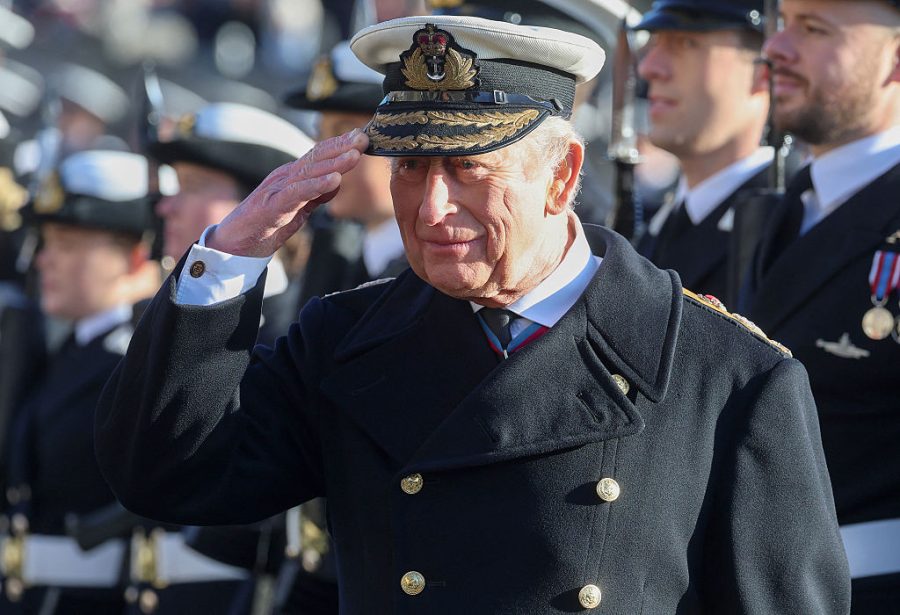
The monarchy is a subtle token of ethnic traditionalism, but few are offended
Both questions feel risky. Some will say that there is implied racism, just in asking them. The first is risky because the answer is both ‘obviously yes’ and ‘obviously no’. I am obviously more steeped in the cultural history of this nation than someone who grew up knowing little about it. But in terms of legal citizenship, we are equally British. There seems no great harm in admitting this contradiction, as long as it is done with care.
The second question is even riskier. Most of us can probably agree that a nation would lose its old identity if its traditional ethnic majority fairly suddenly became a minority. But it feels a bit racist even to imagine this scenario. Is one saying that it is an actual possibility? Or is it just a thought experiment? Is it legitimate to float this thought experiment, when many will hear it as a warning? Theoretical questions are not necessarily harmless.
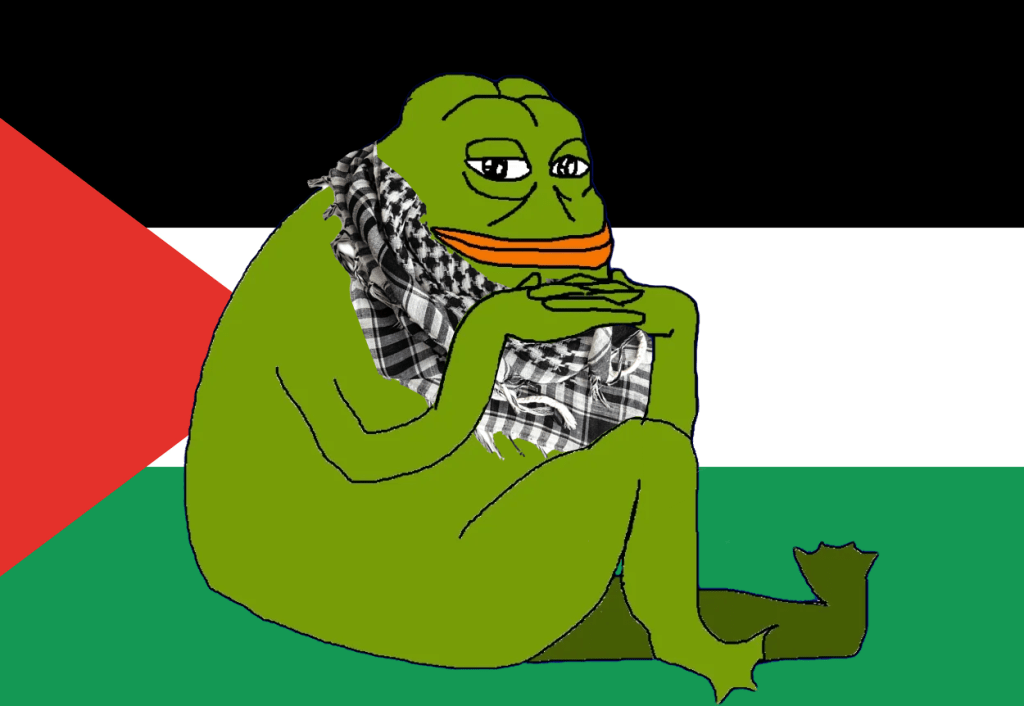
But these questions, and similar ones, should be asked. Otherwise we will fall into a habit of evasion, and be flummoxed when populist nationalists ask them, and answer them.
We should not shy away from the question of national identity, nor from our common-sense hunch that there is an ethnic aspect to it. Instead, we should be more appreciative of the delicate balancing act that we have inherited. This is embodied in the monarchy and the established Church. These institutions derive from a previous era of cultural and ethnic homogeneity. But, through generations of hard cultural and spiritual graft, they have become bastions of liberal values.
The monarchy is a subtle token of ethnic traditionalism, but few are offended. In our day, the monarch strongly affirms diversity, despite in a sense symbolising its opposite. The contradiction largely works. The Church works in a similar way: it asserts (sort of) that national Christian unity is still a thing, but also insists that the old ideal must be expressed through inclusivity. The genius of the Church of England, and its link to the monarchy, is to use the benign ghost of ethnic nationalism in the service of liberal values. We have successfully redefined patriotism as inclusive, by twisting these inheritances of a confessional state into new shapes.
Can a modern nation just dispense with ethnic nationalism entirely and find its identity in the pure principle of the liberal state? Well, that experiment is called the United States of America, and the jury is out. So if any unpleasantness unfolds over the familiar ruins of crackers and turkey, you might want to suggest that it is time to move into the other room and hear from the King.

Comments