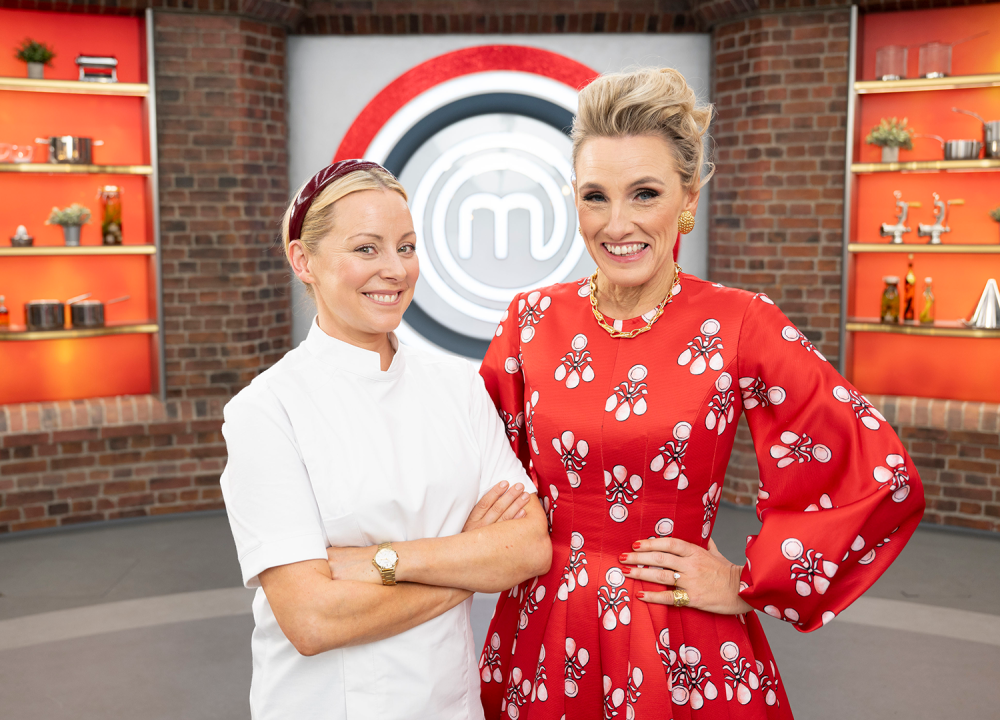


‘Warmer, sharper and funnier than ever,’ claims one reviewer of ‘the BBC’s disgraced cookery show’ MasterChef. But this is nonsense. First, MasterChef was never ‘disgraced’. It was just the victim of some desperate sub-#MeToo media insinuations about the mildly laddish shenanigans of its two ex-presenters John Torode and Gregg Wallace. These insinuations were likely not unconnected with a) the show’s need for some publicity; and b) an excuse for a revamp after 20 years with those presenters now starting to look about as fresh and inviting as the trays of congealing fried eggs and uncrispy bacon you get in a hotel breakfast buffet.
MasterChef was never ‘disgraced’. It was just the victim of some desperate sub-#MeToo media insinuations
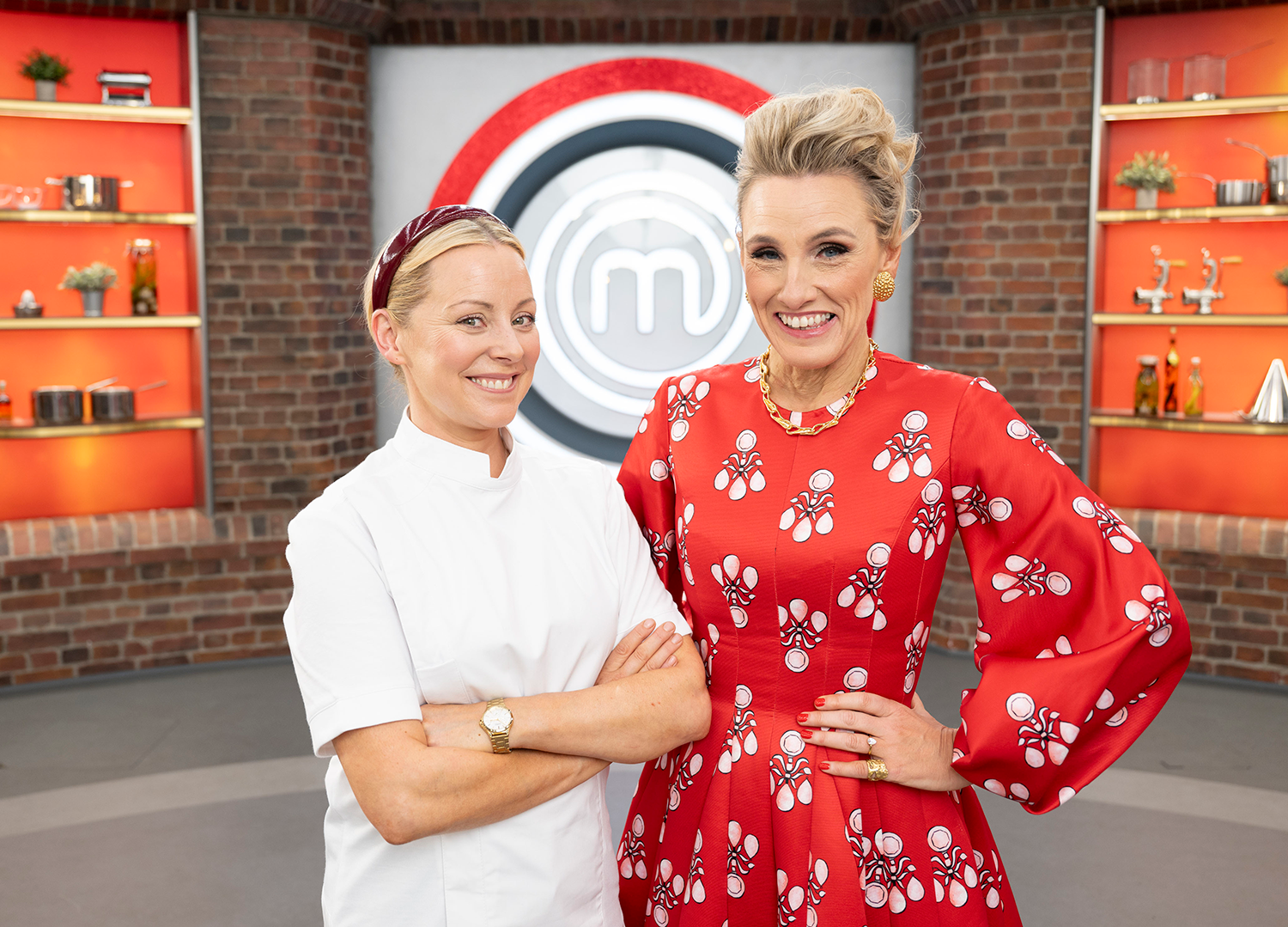
And second, no it hasn’t got better in any way. Despite the change in presenters – to Guardian columnist Grace Dent and chef Anna Haugh – it’s exactly the same as it’s been since it was reinvented in 2005. Which is the whole point of format TV. The talent is irrelevant. What matters is a formula that can be deployed with interchangeable parts across the world, as MasterChef has been in more than 50 countries, making its re-inventor Franc Roddam so rich he could eat pan-fried foie gras washed down with Château d’Yquem every day of his life and still have change for a Greggs sausage roll.
I was going to say that if ever I were to enter MasterChef, the first thing I’d do is get a sex change and the second a race transplant. But that isn’t totally fair. Since Thomasina Miers won the first series in 2005, the majority of winners, much as the BBC might have wished it otherwise, have been male and of an Anglo-Saxon persuasion.
I’d still say, however, that in the early rounds it helps to be ethnic and ideally from somewhere Asian. It’s so much easier to stand out with a plate of crispy, spicy Indian street food that you learned to cook at your mother’s knee than it is if you’ve been raised in the European tradition, where, the flavours being more subtle, there’s much less room for the tiniest error.
Episode one of the new series was a case in point. The gay Nepalese man – a Gurkha’s son – breezed through the first round, as did Jhané who, though of Caribbean heritage, very cannily went Asian with a deconstructed Thai green curry where the chicken was deep fried instead of pale and slimy. But the ones who went English were doomed from the start. Sure steak with triple-cooked chips and a peppercorn sauce can be a wonderful thing if you get it absolutely right. What are the chances of doing that, though, under pressure and in a competition?
Perhaps it is unfair of me to accuse formula TV of being formulaic, but once you’ve noticed the tricks it’s very hard to unnotice them. Mostly, it’s about ‘jeopardy’. Every few minutes the presenters are required to announce how little time the contestants have left, giving the illusion of imminent disaster. Because of the edits we have no idea whether the cooks really are running close to the ragged edge or whether they plated up many eons before the deadline.
Whenever a contestant reveals their plans for their next dish, the presenters – be they John and Gregg or Grace and Anna, and no, it really doesn’t matter – have to do two things. First, especially if it is a mildly recherché foreign dish (e.g. momo, a Nepali steamed dumpling), their faces must light up with the kind of excited anticipation normally reserved for the Second Coming. Then, almost immediately afterwards, there must be a grim aside on how incredibly ambitious a choice this is, given how easy it will be to over/under-spice it, or fail to conjure up the requisite gooey-crispy, mouth-meltingly soft crunchiness. You feel almost sorry for the presenters who have to repeat this formula, dish after dish after dish. Even if they beg me to replace Grace and Anna when they’re finally worn out from their stint in the glue factory I am saying ‘no’.
Widow’s Bay is a quite promising new series on Apple +. It has a respectable pedigree – creator Katie Dippold worked on the funny sitcom Parks and Recreation; director Hiro Murai worked on The Bear; star Matthew Rhys has been good in lots of things, including The Beast In Me – and has had decent reviews. I’m just hedging my bets slightly because, two episodes in, I’m not sure if it’s a sticker.
The premise is not unlike the one in Jaws: mayor wants to keep New England tourist resort open for business even if it means risking lots of deaths. Except this time the threat is not from a shark but from the location itself: a cursed island plagued with ghosts, deadly fogs, etc. And it’s played for laughs as a black comedy. There’s a well-drawn cast of characters, a strong sense of weird location and some snappy dialogue. But is it funny enough and is it frightening enough? Let me get back to you.





Comments