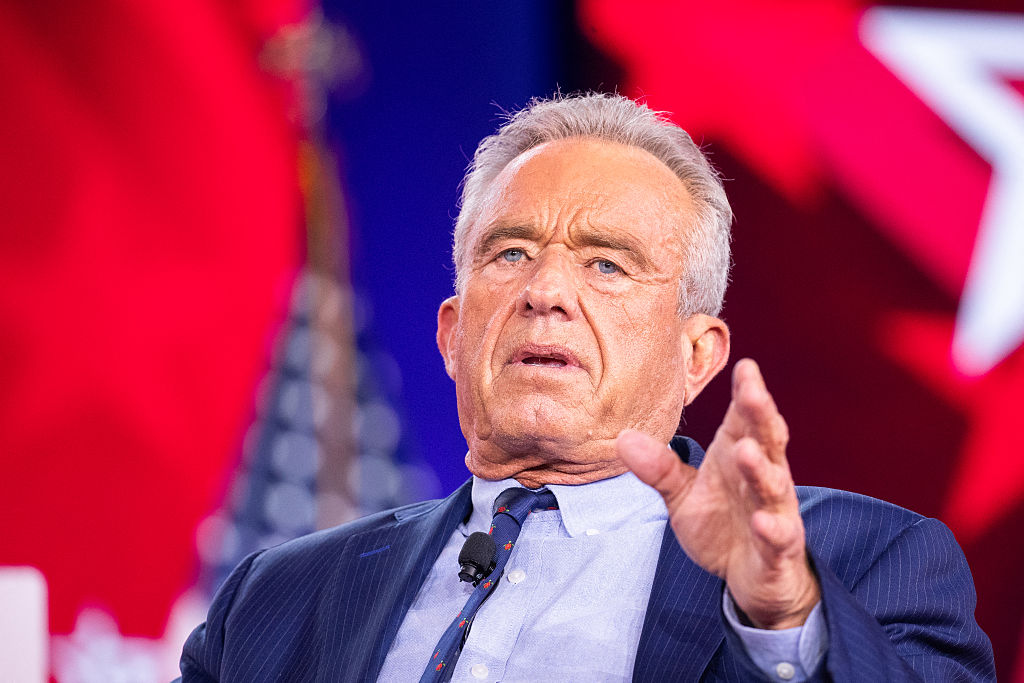
The Make America Healthy Again movement has already accomplished more in its first year than many reformers dared to hope. Major food companies are starting to phase out those artificial dyes. States are testing ways to remove junk food from SNAP benefits. The MAHA Commission delivered a refreshingly honest assessment of the childhood chronic-disease crisis. Vaccine schedules have been thoughtfully adjusted toward the shots with the broadest consensus, and federal attention is finally turning to ultra-processed foods, seed oils and environmental toxins. These are real, tangible wins we can build on.
Yet there’s a quiet risk brewing within the movement: the temptation to slide into puritanism. If MAHA hardens into a rigid set of purity tests, it won’t become the lasting cultural and institutional shift our country needs. Instead, it will flare up brightly for a moment and then fade away the minute the political winds change.
Policy change in a democracy is fragile. One tough midterm election, one shift in the White House or Congress, and the momentum at HHS and the FDA can quietly slip away. Career bureaucrats, industry lobbyists and future administrations can undo executive orders, reinterpret rules or simply stop enforcing them. The progress we’ve seen – on cleaner food labeling, removing harmful additives and refocusing research on chronic disease – is genuine, but it’s still young and vulnerable. It needs time to take root.
Real transformation doesn’t happen overnight. It takes six to eight years for new approaches to settle into our institutions, supply chains, medical education and daily habits. That’s the window required to properly train physicians, improve school lunches, update clinical guidelines and reshape agricultural incentives so that healthier food becomes the natural choice rather than the expensive exception. A single four-year term simply isn’t enough. MAHA needs to be built to survive the next election cycle – and the one after that. Ideological purity tests won’t buy that kind of staying power. Broad credibility and practical results will.
This is why the nomination of Dr. Erica Schwartz to lead the Centers for Disease Control and Prevention feels like such a smart, level-headed choice. A retired rear admiral in the US Public Health Service, former Deputy Surgeon General, and longtime Chief Medical Officer for the Coast Guard, she brings decades of real-world experience. She’s a credentialed physician with an MD, an MPH and a JD – not an activist looking for a fight. Some voices in the MAHA community are already expressing disappointment that she isn’t more revolutionary. They’re missing the bigger picture.
MAHA doesn’t need another symbolic warrior at the CDC throwing lightning bolts. It needs a competent, steady leader who can turn bold ideas into workable programs without triggering widespread resistance or alienating the public. Dr. Schwartz’s long career in uniform and government service has prepared her to translate ambitious goals – like reducing chronic disease, having open and transparent discussion on vaccines, and cleaning up the food supply – into practical, lasting reforms that can survive budget battles, senate confirmations and changes in administration. She’s the kind of experienced hand who helps make big changes feel normal, routine and enduring.
The alternative is telling. A puritanical CDC director who spends more time issuing strong condemnations of corporations or everyday parents than improving data collection, vaccine safety monitoring or chronic-disease tracking would hand critics a perfect target. The movement would quickly be labeled extreme. Public support would erode. And in the next election, voters might simply hand the reins back to the same public-health establishment MAHA is trying to reform.
Americans are genuinely hungry for healthier children and lower rates of chronic disease. They want practical progress: safer food on the shelves, honest labeling they can trust, medicine that fairly weighs both benefits and risks and a government that treats them like capable adults rather than children who need scolding. MAHA’s greatest strength is its willingness to speak uncomfortable truths about corporate influence on nutrition science and regulatory shortcomings. Its biggest risk is letting those truths harden into dogma that pushes away the very families it aims to help.
The next few years will be decisive. If MAHA leaders stay focused on measurable outcomes – lower childhood obesity rates, fewer ultra-processed foods dominating store shelves and better chronic-disease data – rather than chasing performative ideological victories, this movement can outlast any single administration. Dr. Erica Schwartz’s nomination is an encouraging sign that pragmatism still has a seat at the table. It should be the rule, not the exception.
The health of an entire generation hangs in the balance. Let’s not waste this moment by turning a serious reform effort into a short-lived crusade.



Comments