If I were to say to you that one of these books contains an entire chapter on how to get rimming on television and one is about a 90-year-old man who was married for 68 years and specialised in costume drama, you might make a guess at which is the scandalous one. And you would be utterly wrong.
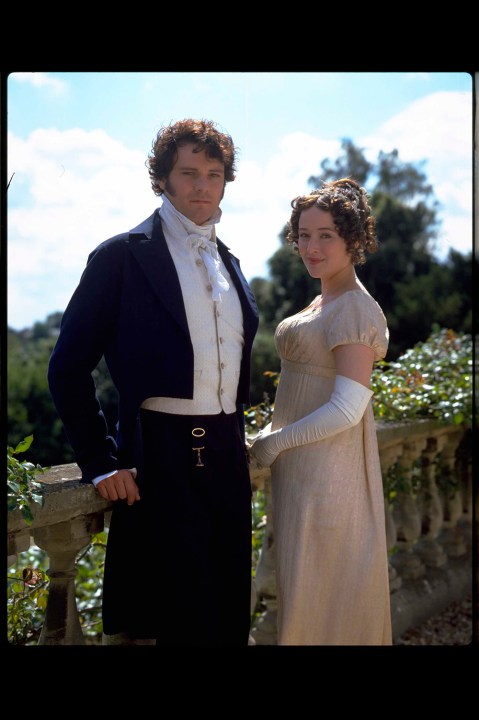
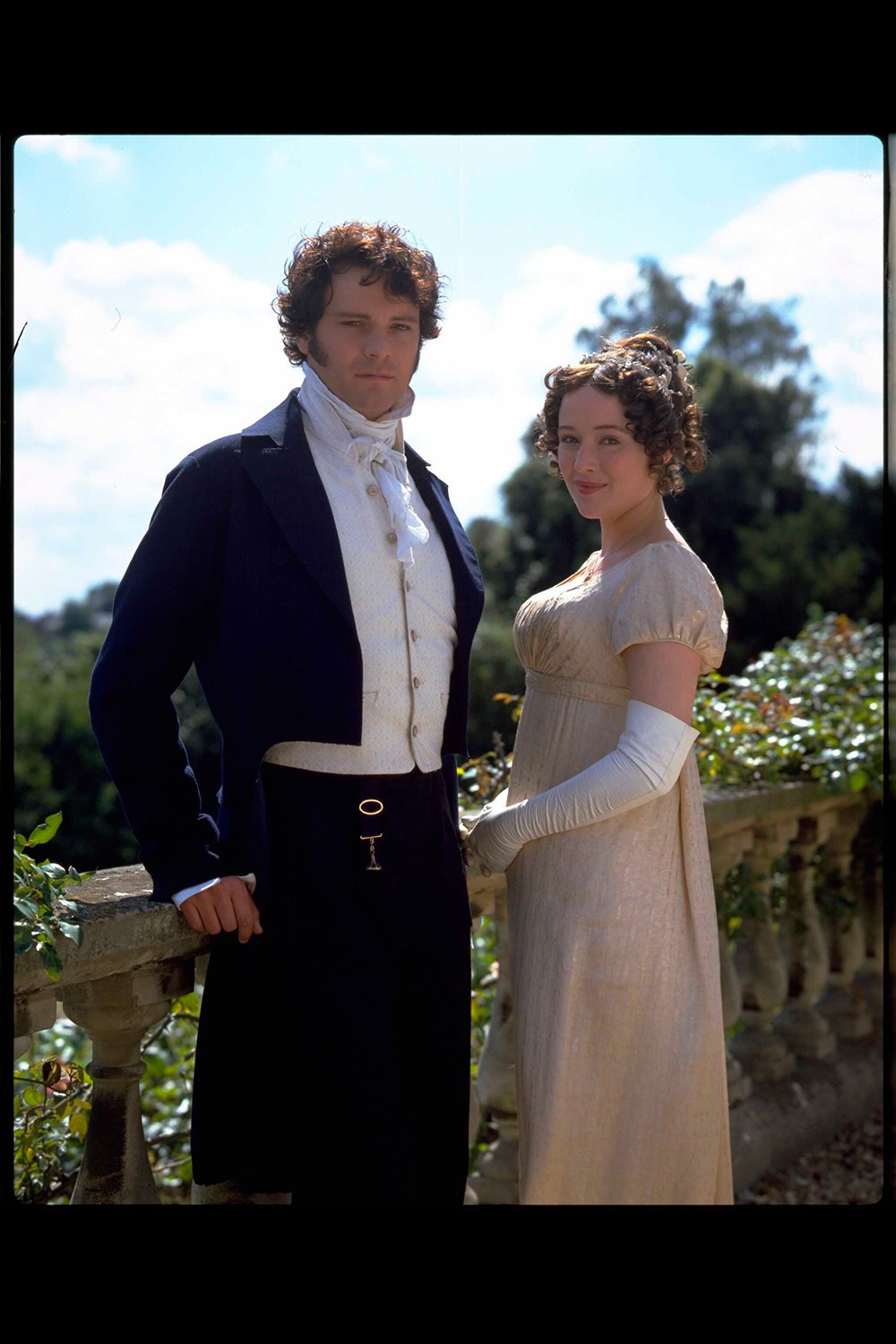
Between them, the two Davieses have practically stitched up the past 30 years of great scripted drama, from the happy glories of Pride and Prejudice (1995)to the devastating, gamechanging It’s a Sin (2021). Now both have memoirs out, paeans to the glorious years of British television and their not insignificant contributions to the national happiness.

Russell’s, written in collaboration with the excellent cultural commentator Boyd Hilton, is one of those classic get-to-the-good- bits-memoirs, no messing about. There’s very little about his upbringing. Like his television programmes, he displays a positive terror of ever being boring. Which is fun, but leaves you wanting to know a little more. I am going to assume that his parents were both delightful and very liberal in terms of how much television they let their son watch: he definitely got his 10,000 hours in.
Apart from being turned down for the BBC grad scheme (along with 99.9 per cent of all working creatives in the UK), Russell seems to have had very little struggle. His talent was obvious from the outset, and by the age of 22 he was already on Why Don’t You?, on screen and off, heading straight to the glory years of Granada. Andrew, on the other hand, was a full-time teacher until he was 50 – a mark of some optimism for all you late bloomers out there. His extraordinary success built slowly but no less impressively through Bleak House, Mr Selfridge and War and Peace.
The Queerest of Folk focuses heavily on writing advice, and as a ‘how to’ it is brilliant. It’s probably worth inscribing over your desk: ‘Write like your mortal enemy has just finished their first draft.’ There are also some good anecdotes, and Russell is very lovely about everyone – although one would like to have witnessed people having to ‘lie down in the road’ to prevent John Barrowman (Captain Jack in Doctor Who) from representing the UK in the 2010 Eurovision Song Contest. He is commendably restrained when talking about pitching his devastating masterpiece It’s a Sin to the BBC and then being asked (presumably because he is gay) whether he knew Elton John and if he’d ever considered writing it as a musical.
Andrew Davies plunges into an astonishing story of wife-swapping, betrayal and gigantic waspish fallouts
Andrew, meanwhile, begins with a beautiful, loving reflection on how he spent his last day with his wife of nearly seven decades – every little gesture and tilt of her head – before plunging into an astonishing story of wife-swapping, betrayal, general naughtiness, long, flirtatious lunches and gigantic waspish fallouts. There are lines such as ‘Harvey Weinstein was an awful man, but he gave great notes’; and ‘Later at the party I fell in love with Fay Weldon and she with me. We shared a taxi going God knows where.’
Two stories about successful TV writers called Davies, whose beloved partners died amid ongoing career success, could not be more different. We learn less about Russell than Andrew, although you may be swept along without noticing. Charm can be a wonderful cloak. There is, simply and humbly told, Russell’s great and quiet dedication to nursing his dying husband for years, and his joy in a new love. But the true focus is his craft.
Andrew lays himself bare; but at heart both writers tread very lightly on what extraordinarily hard workers they are. Andrew says that the only drawback to being 90 is that people won’t employ him in case he carks it halfway through. Russell mentions in passing that his new partner persuaded him to take his first holiday in ‘decades’. There is a superb section on Dickens in An Unsuitable Boy where Andrew says of the novelist: ‘Success did not soothe him; it drove him harder. Work was both a necessity and an opiate.’ It seems a good description of all three of these men.





Comments