It could be the shortest negotiation in history. The United States and Iran, with their respective peace plans, are so far apart that it’s difficult to see how their differences can ever be squared.
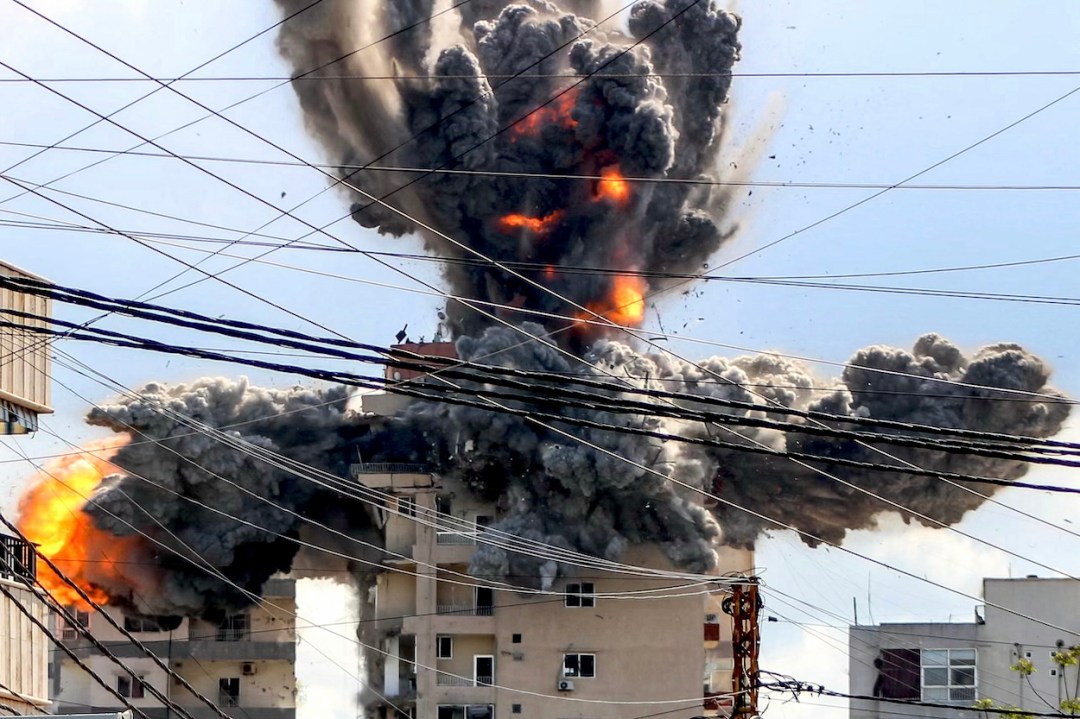
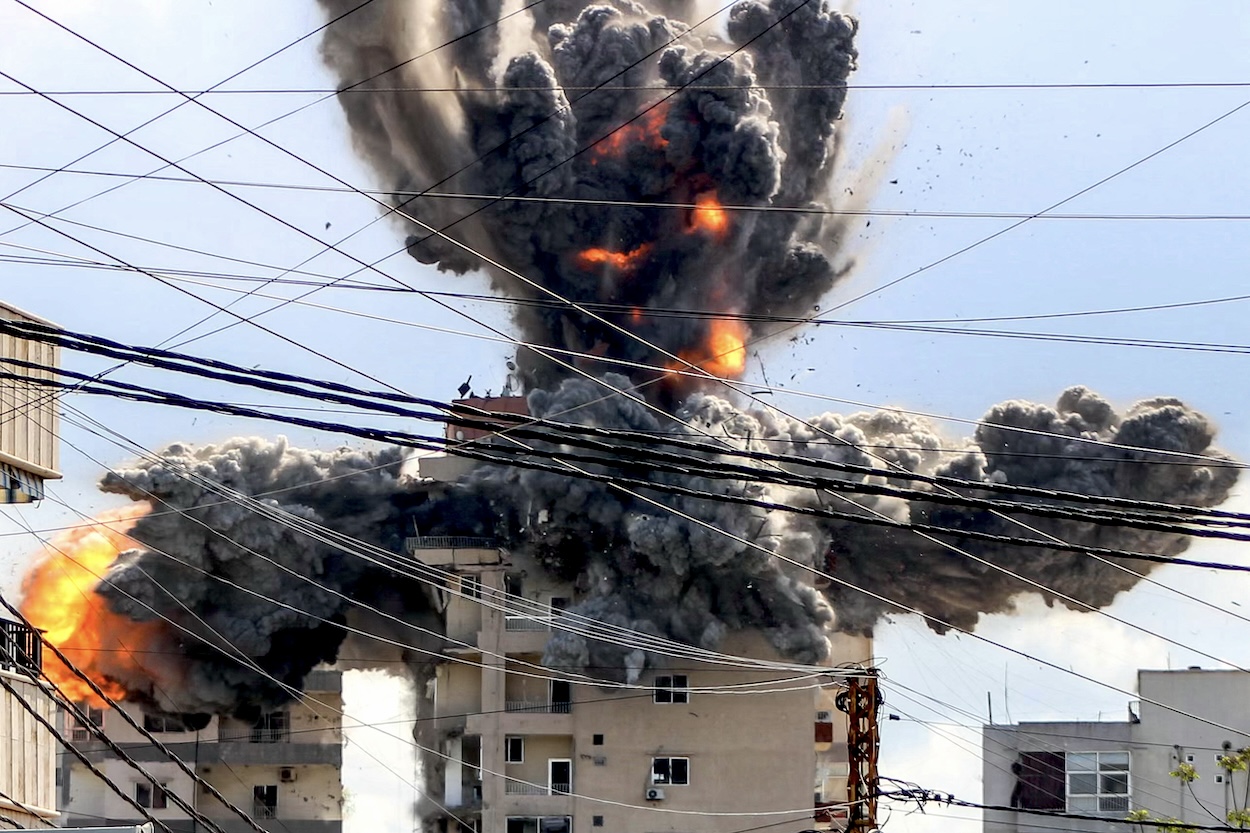
A two-week ceasefire, which has already been broken, brought relief after five weeks of war and steadied the oil and stock markets. But the agreed ceasefire is looking fragile, as US Vice President J.D. Vance admitted. There had been “legitimate misunderstanding,” he said yesterday, over whether the ceasefire extended to Israeli action in Lebanon.
Iran is beginning the peace negotiations by ignoring the realities of what Trump has achieved in the past five weeks
If there is any hope of a permanent deal, both Washington and Tehran are going to have to make significant concessions. Judging by the 15-point plan presented by President Trump and the ten-point counter proposal delivered by the Iranian regime, neither side has even hinted at compromise.
Trump has stated that Iran’s ten points might form the basis of a workable settlement. But only last week he effectively dismissed the Iranian demands, saying their peace proposals were “not good enough.” It’s not hard to see why.
Tehran wants Washington to accept its nuclear-enrichment program, the withdrawal of US combat forces from all bases in the region, full reparation for the billions of dollars of damage caused by the five weeks of US and Israeli bombing, Iranian military control of the Strait of Hormuz, and the lifting of all sanctions.
In his 15-pointer, Trump demands an end to all uranium-enrichment, including for civilian purposes, the handover of the 440.9 kilos of uranium enriched to near bomb-grade level, the decommissioning of nuclear facilities at Isfahan, Fordow and Natanz, and a halt to Tehran’s arming of proxy militia forces, such as Hezbollah in Lebanon and Houthi rebels in Yemen.
Key to both peace-settlement packages is the future of the Strait of Hormuz, with Trump wanting free and safe passage for all ships through the choke point, and Tehran insisting on having a supervisory role. Furthermore, the Iranians want to impose a toll for every vessel to the tune of at least $1 million-a-go. Trump has mused about a joint venture, in which ships pay both the Iranians and Americans in cryptocurrencies. The cash flow could potentially achieve $100 million a day, although Oman may also make a claim, given they control the other half of the Strait. The whole scheme is confused, to say the least.
If Trump were to accept Iranian tolls, it would undercut one of the principal reasons why he decided to go to war with Iran. Could he even consider allowing the Islamic Revolutionary Guard Corps (IRGC) to hold sway over the Strait? What would shipping companies, let alone insurance brokers covering the trips down the waterway, think of such an arrangement?
Pakistan will mediate the first round of negotiations in Islamabad on Friday and has put forward its own five-point plan. Its wording for the Strait of Hormuz matches Trump’s: it calls for the restoration of “normal passage through the Strait as soon as possible”. In other words, no IRGC checkpoints and no tolls.
Most of Iran’s ten points cannot be acceptable to a US administration that went to war to remove the cleric-run regime and its nuclear weapons program. The US initially entered the war to bring about regime-change through a combination of mass bomb strikes and leadership assassinations.
Trump claims he has achieved both these objectives. First, he points to the fact that Iranian enriched uranium is buried beneath the rubble caused by last June’s bombing and the five-week war’s retargeting of nuclear sites. Second, he says the regime is not the same as it was on February 28 when Operation Epic Fury began.
However, Iran is beginning the peace negotiations by ignoring the realities of what Trump has achieved in the past five weeks with the bombing campaign. If Iran maintains this position in Islamabad, it is difficult to see how the two sides can even agree on a framework for a peace deal, let alone get down to actual negotiations.
It took two years for President Obama and a team of nuclear experts to construct a deal under which Iran agreed to limit its uranium enrichment. The 2015 deal was signed by Iran, the five permanent members of the United Nations Security Council, plus Germany and the European Union.
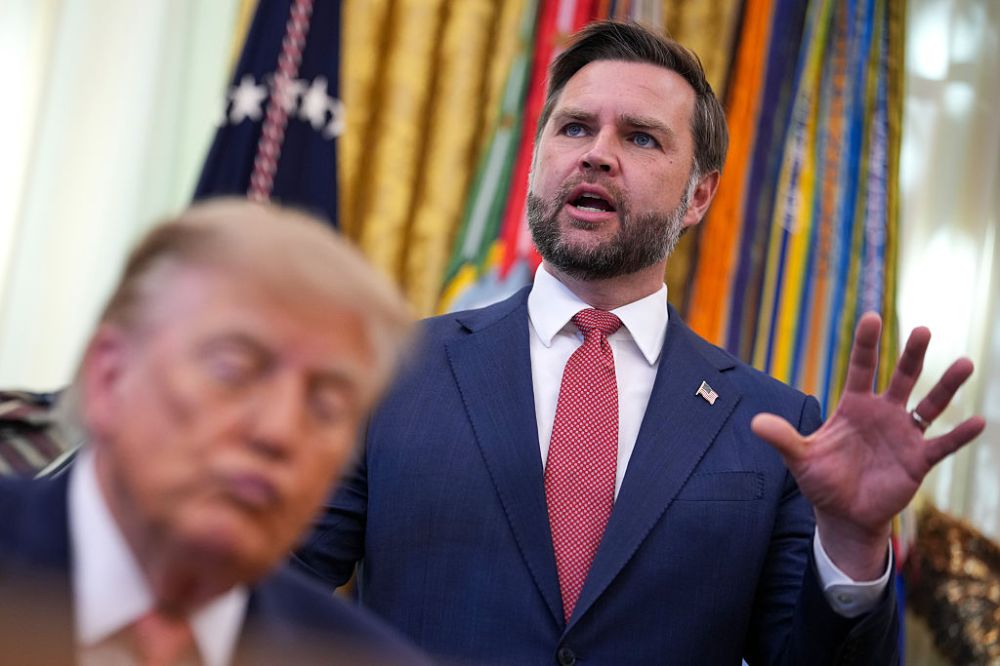
Trump, on the other hand, is a broad-brush negotiator, not a details man. He is not sending nuclear experts to Islamabad. He has given the job to J.D. Vance, along with special envoy Steve Witkoff and son-in-law Jared Kushner. Trump seems to expect Iran to cave in to his demands, particularly on its uranium-enrichment program.
If he doesn’t get what he wants, Trump will return to Operation Epic Fury Part II. Pete Hegseth, the War Secretary, has already indicated the president might still authorize sending invasion troops into Iran to dig out the highly-enriched uranium. So, there is little room for optimism that the ceasefire will survive beyond two weeks.





Comments