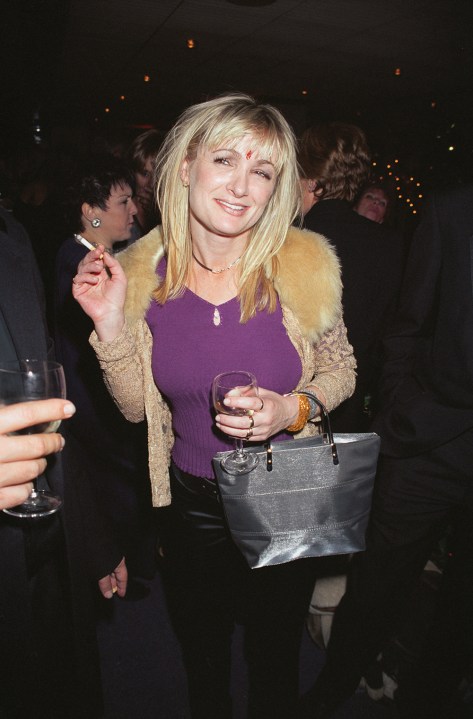
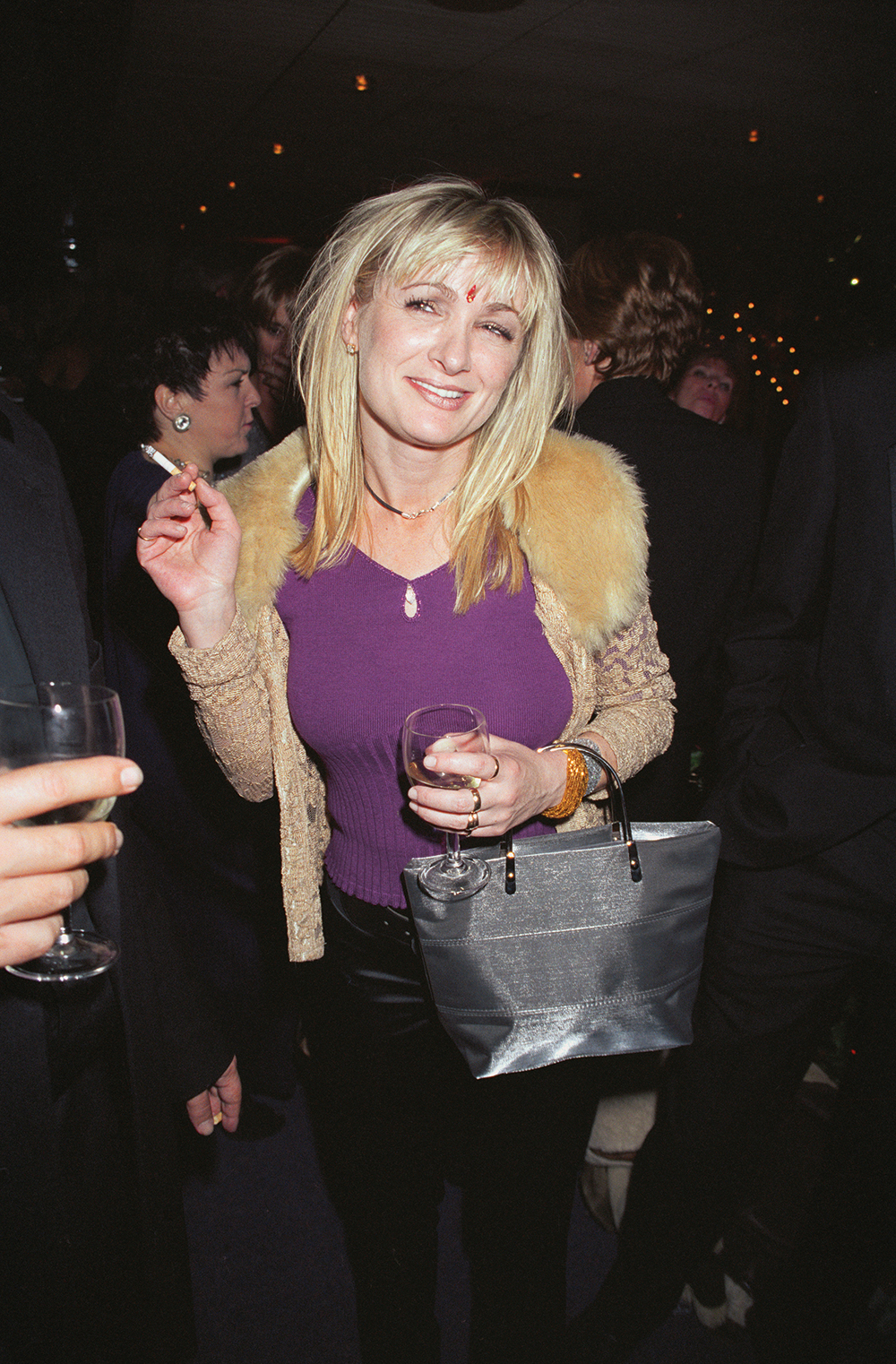
Who do we have on television now, or even on social media, who can unmask pomposity and self-obsession quite like Caroline Aherne did in the guise of Mrs Merton? What sitcom since 2010 is as original – and as British – as The Royle Family, always near the top of any best British sitcom list? This July marks the tenth anniversary of the death of Aherne. Given the popularity of The Mrs Merton Show, The Royle Family, which ran for 15 years, and her characters on The Fast Show (not least Poula Fisch, the weather girl who can only announce one type of weather), it’s perhaps odd that this is the first ever biography.
It quickly becomes evident why. Aherne is not the easiest subject: having been hounded by the press, she was not fond of giving interviews. She talked little about her process and often simply longed to get away from everyone. David Scott’s bookends up a cross between a labour of love and a fanzine, patched together from reviews, cuttings and just plain adoration.

Scott, a BBC Radio Manchester presenter and poet, says he wanted to write about Aherne because everything she had ever done felt close to him, so rooted was her humour in the idea of being Mancunian. But if this endeavour sometimes risks becoming a too desperate attempt to bring her back to life, there’s an unexpected, innocent delight in revisiting all the catchphrases and zingers. Scott argues that Diane Morgan, Sophie Willan, Daisy May Cooper and Phoebe Waller-Bridge count among Aherne’s distinctive heirs. But no one has quite her turn of phrase.
There’s much to enjoy about Aherne’s back-story. She was born in Ealing, London, but her family moved to Wythenshawe, Manchester, when she was two. She learned to mimic Cilla Black and won a prize at Butlins for her impersonation of Marti Caine. There are sadly only two sentences on her time as secretary to Janet Street-Porter at BBC Manchester (surely the original Devil Wears Prada story). Having studied drama at Liverpool Poly, Aherne was by this point experimenting with different stage personae, such as Sister Mary Immaculate, who has advice on cutting holes in condoms to ‘give God a fighting chance’.
From the start it was about the character for her: ‘I wanted to see if you could do stand-up without any actual jokes.’ An early foray to the Edinburgh Fringe is a disaster (although Bob Mortimer remembers loving it); but she was already thinking about ‘a show about a family who just sit in front of the television’ (weirdly prescient words, given not only The Royle Family but also Gogglebox, her last TV job). It’s the character of Mrs Merton, on screen from 1995, that sealed her reputation. To Bernard Manning: ‘Who do you vote for now Hitler’s gone?’ To Dale Winton: ‘One day your ring will be on the finger of somebody very special.’ And, of course, the line to Debbie McGee: ‘So what first attracted you to the millionaire Paul Daniels?’
As Aherne’s star rises, there are asides here which go unexplored but seem to explain why she might have grown frustrated. At an early script read-through for The Royle Family she was patronised about her work needing ‘a beginning, a middle and an end’. Aherne argued that she didn’t want to make the show if they insisted on a laughter track. They insisted. The pilot recording was a disaster. She buried the tape in the garden. The laughter track was duly scrapped. Perhaps what might have counted as ‘genius’ for other performers was not given much room to breathe. Between the last series of The Mrs Merton Show and The Royle Family going on air, Aherne attempted suicide. Later, she struggled with negativity, battling tabloid attention and poor health. She worked up to the end, through bladder cancer and the final stages of the lung cancer that killed her.
‘I wanted to see if you could do stand-up without any actual jokes’
It’s the ‘without any actual jokes’ that is perhaps the key to Aherne’s appeal: she can say anything and make it funny. Being innately funny isn’t an easy quality to pin down, especially when so much of Aherne’s motivation for her work was purposefully unshared. There’s a disconnect here between earnest intent and information readily available, as the biographer seeks valiantly to ground Aherne in a tradition and amid a zeitgeist. The Fast Show’s John Thomson, who played Roy opposite Aherne’s Renee, puts it best: ‘She wasn’t political, she never saw herself as a feminist or representing the minority of female comics. She didn’t need to, there was no agenda, she was just funny.’ (Also true of Victoria Wood and Joan Rivers.)
Perhaps unsurprisingly, this biography is at its most alive when simply quoting Aherne’s characters verbatim, so that you can hear her unmistakable cadence. But a vivid performer’s greatest hits are tough to convey on the page. You might get more from going down a YouTube rabbit hole. Still, any excuse to celebrate Aherne. Scorchio!





Comments