
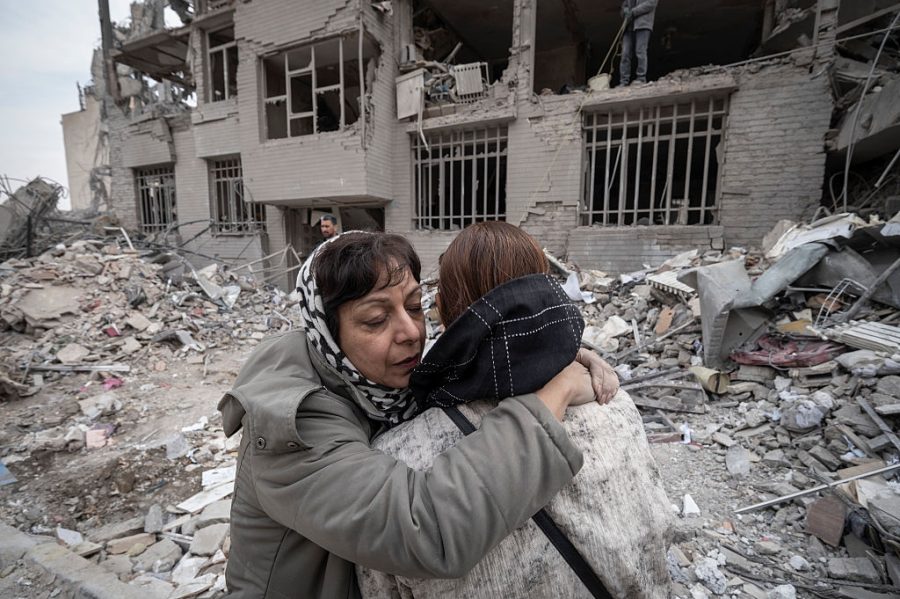
The new supreme leader of Iran has still not been seen in public. Instead, the country’s state television broadcast what it described as his first message to the nation: a speech attributed to Mojtaba Khamenei, read out by a newsreader in a studio, with no appearance or recording of the man himself. In the address, the regime declared that the Strait of Hormuz would remain closed, vowed revenge for those killed in the conflict, and urged regional states to shut down American bases on their territory. This disembodied broadcast is the first public message attributed to the new leader.
The speech came amid intensifying strikes by Israel and the United States against Iranian targets. Israeli officials say the campaign is aimed primarily at crippling Iran’s nuclear and ballistic missile programmes. Prime Minister Benjamin Netanyahu has also articulated a broader ambition: to create the conditions in which the Iranian people might ultimately remove the regime themselves, though he has acknowledged that creating such conditions does not guarantee that such an outcome will occur.
The wider region has also been drawn further into the conflict
On the battlefield, Israeli operations have continued at a rapid pace. Over the past day alone, Israeli fighter jets carried out 20 large-scale strikes across western and central Iran, targeting more than 200 sites, including ballistic missile launchers, air defence systems and weapons-production facilities.
A US attack drone struck a military site belonging to the Iranian-backed Popular Mobilisation Forces in the Makhmour district of northern Iraq. Iranian reports say two senior officials – IRGC aerospace commander Esmail Dehghan and deputy intelligence minister Akbar Ghaffari – were killed in earlier joint US-Israeli strikes. In an interview with CNBC, US Energy Secretary Chris Wright said the military operation is expected to last weeks rather than months.
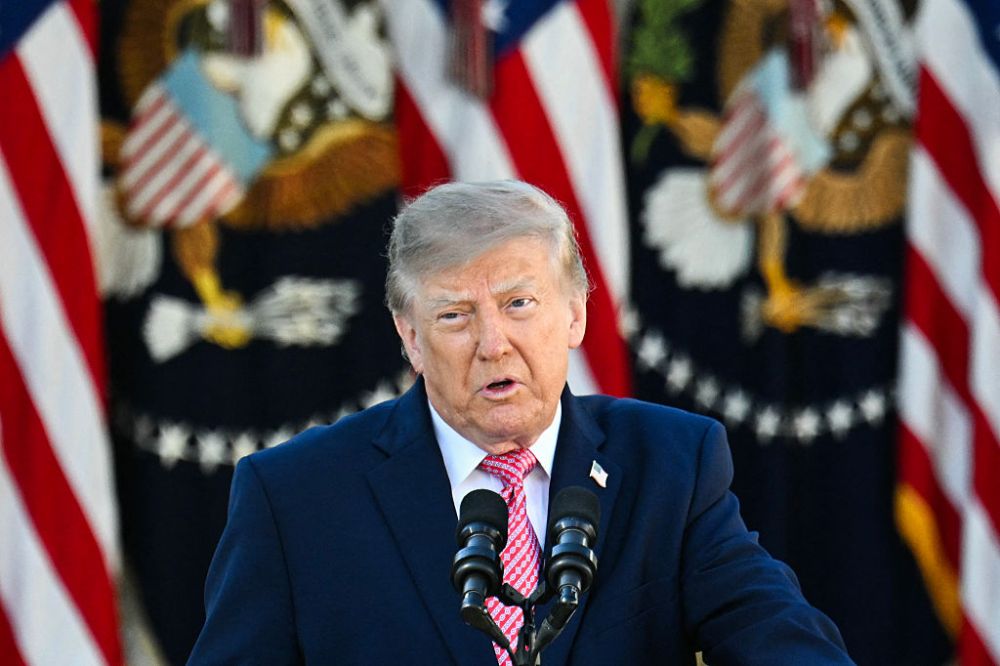
Among the latest targets was the Taleghan compound in Tehran, described by the Israeli military as a central facility involved in nuclear weapons development. According to Israeli officials, the site had been used in the past for advanced explosives research and experiments linked to the covert AMAD nuclear weapons programme. The compound had reportedly been struck before in October 2024, but intelligence suggested the regime had recently begun rehabilitating it. The new strike follows another attack earlier this month on the Minzadehei compound.
Israeli operations have also focused heavily on Iran’s drone capability. The Israeli military says it has dismantled more than 250 Iranian UAVs across the country, while also targeting launchers and killing several commanders responsible for drone attacks on Israel. In one instance, Israeli aircraft struck a launcher and its operators just as they were preparing to send a drone towards Israeli territory.
In Lebanon, Israeli aircraft killed Ali Muslim Tabaja, a senior commander of the Iranian Imam Hossein Division, along with several other figures including the group’s deputy commander and its UAV officer. The division, used by Iran’s Quds Force, coordinates fighters across the region and works closely with Hezbollah.
The confrontation with Hezbollah has meanwhile intensified. Israeli officials say that the Lebanese movement carried out around 200 launches in the latest exchanges, though roughly 80 of them did not cross into Israeli territory. According to the Israeli military, hundreds of projectiles were fired overnight, yet only two struck Israeli soil, which the army’s chief of staff described as a significant defensive achievement.
Israel has retaliated with extensive strikes on Hezbollah infrastructure, including command centres and intelligence facilities in Beirut’s Dahieh district. Defence Minister Israel Katz warned that if the Lebanese government does not prevent Hezbollah attacks from its territory, Israel may take matters into its own hands. The Israeli leadership has already instructed the army to prepare for a possible expansion of operations in Lebanon.
Inside Israel, at Tapuach Junction in the northern Samaria area, two attackers attempted a combined ramming and shooting attack on Israeli soldiers before being shot and killed. No Israeli casualties were reported.
The wider region has also been drawn further into the conflict. Iranian missiles and drones have continued to target several Gulf states. Saudi Arabia says it intercepted two ballistic missiles and seven drones heading toward Prince Sultan Air Base, the eastern region of the kingdom and the Shaybah oilfield. The United Arab Emirates reports intercepting ten ballistic missiles and 26 drones, part of what it says has been a much larger barrage of hundreds of missiles and more than 1,500 drones, which has left six people dead.
Elsewhere in the Gulf, Iranian drones have struck a residential tower in Dubai, while other UAVs attacked fuel depots near the airport in Al-Muharraq, Bahrain. Iranian drones also reportedly attacked oil tankers near Basra, prompting Iraqi authorities to temporarily close the port.
Iranian officials have responded with increasingly stark threats. A spokesman for the armed forces warned that any strike on Iran’s energy infrastructure or ports would trigger a ‘crushing and devastating response’, threatening to set oil and gas facilities across the region ablaze. IRGC naval commander Ali Reza Tangsiri echoed the warning, saying Iran would maintain its strategy of keeping the Strait of Hormuz closed while delivering the harshest blows to its enemies.
Against this backdrop of escalating military pressure and internal uncertainty, Reza Pahlavi, the exiled son of the former shah, has urged Iranians not to gather in the streets yet. He warned that the regime may attempt to use civilians as human shields by placing security forces in schools, mosques and public buildings.



Comments