The cheaper bus fares will have to be paid for. So will the modest cut to electricity bills, along with the shelters to end rough sleeping. The new prime minister Andy Burnham has made plenty of extra spending pledges during his first few days in office, but, some creative accounting aside, has said very little about how it will all be paid for.
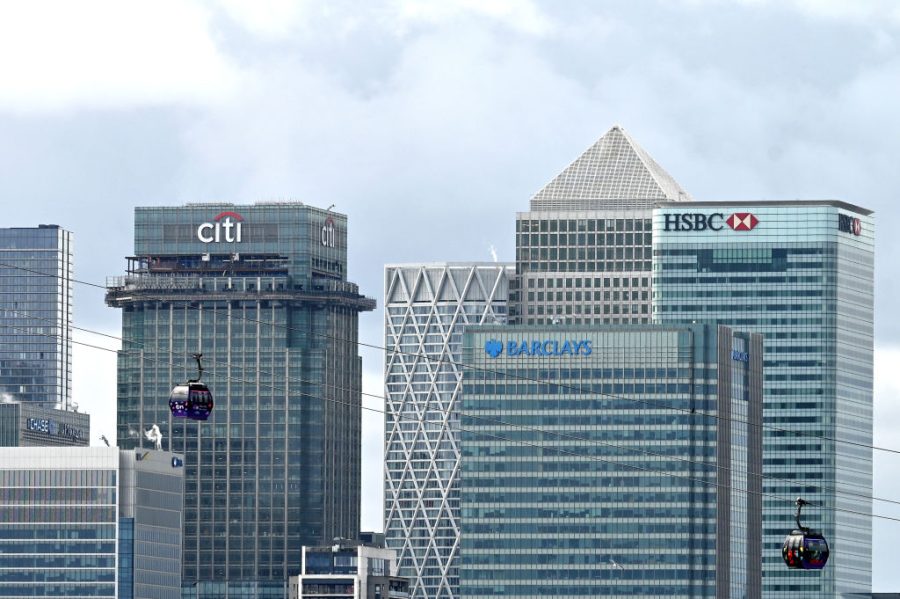
Still, never mind. The major banks have helpfully reported bumper profits, and Barclays has even had the gall to pay out bumper bonuses to the people who made them. Burnham could just slap an extra levy on them. Problem solved. Except if he does so, he will also do huge damage to what remains of the British economy.
It has been a good week for the banks. Today Lloyds reported £4.3 billion in pre-tax profits for the first half of this year, 23 per cent up on last year. Yesterday, Barclays reported pre-tax profits for the second quarter of £3.3 billion, up 31 per cent on last year, and half-year profits are up to £6.6 billion, a 16 per cent year-on-year rise.
Banking profits are highly cyclical
In a country that was serious about growth this news would, of course, be celebrated. After all, lots of successful companies usually means a successful economy. Unfortunately that is not true of Burnham’s Britain. As the results were announced, there were plenty of calls for an extra tax to be levied on the financial giants. ‘Barclays’ bonanza profits show that banks can easily afford to pay more tax,’ Paul Nowak, the general secretary of the TUC, said.
Well, perhaps. The more important question, however, is whether the country can afford it. It is easy enough to launch yet another tax raid on the banks – even though they already pay an additional surcharge on top of regular corporation tax. As he sets about ‘ending forty years of neoliberalism’ Burnham may well be persuaded that it is a simple way of raising some much needed extra cash.
But there are two big problems. First, banking profits are highly cyclical. When interest rates are rising, and the markets are booming, they usually make lots of money, and then when the cycle turns, they lose a lot of it again. If they can’t put any money aside when times are good, they won’t have anything left in reserve for when they are bad. Next, and more importantly, the UK can’t keep taxing away the profits of any company that just happens to be successful. We already have windfall taxes on oil and gas, which has just about destroyed the North Sea energy industry, and we have also had a whole series of windfall taxes on finance, which is one reason why the City has been in relentless decline.
In a free market economy, companies and shareholders own the losses, and they own the profits as well. If any money you make is just taxed away, companies will end up with no choice but to leave the country. After all, what is the point of risking capital, time and energy if you are not allowed to keep any profits you might make on your investment?
Burnham’s new administration can punish the banks with extra taxes if it wants to. It has the majority, and it will no doubt prove popular with Labour backbenchers. And yet, it will be sending out a clear message that Britain is not a country where anyone can do business – and that will end up hugely expensive for all of us.






Comments