
There’s good and bad news in the public finance figures, released by the Office for National Statistics this morning.
July saw something of a borrowing splurge, with £1.8 billion needed from the markets to keep Britain afloat. That was up two-thirds on July last year and £2.3 billion above forecasts from the Office for Budget Responsibility, which had expected a surplus.
But on a year-to-date basis, the borrowing figures were actually not that bad. Indeed, on the face of it, they make for fairly good news. In the financial year to July, overall borrowing has come in £6 billion lower than in the same period in 2025 – and only slightly above the OBR’s forecast. The net result is that national debt remains below £3 trillion (for now), despite some over-excited calculations from thinktanks in the last couple of weeks.
There are even better numbers for the government, which come in the current budget deficit: borrowing to fund day-to-day spending. In July, a £3.1 billion surplus was chalked up, and the total for this financial year is bang on the OBR’s forecast, nearly £7 billion lower than last year.
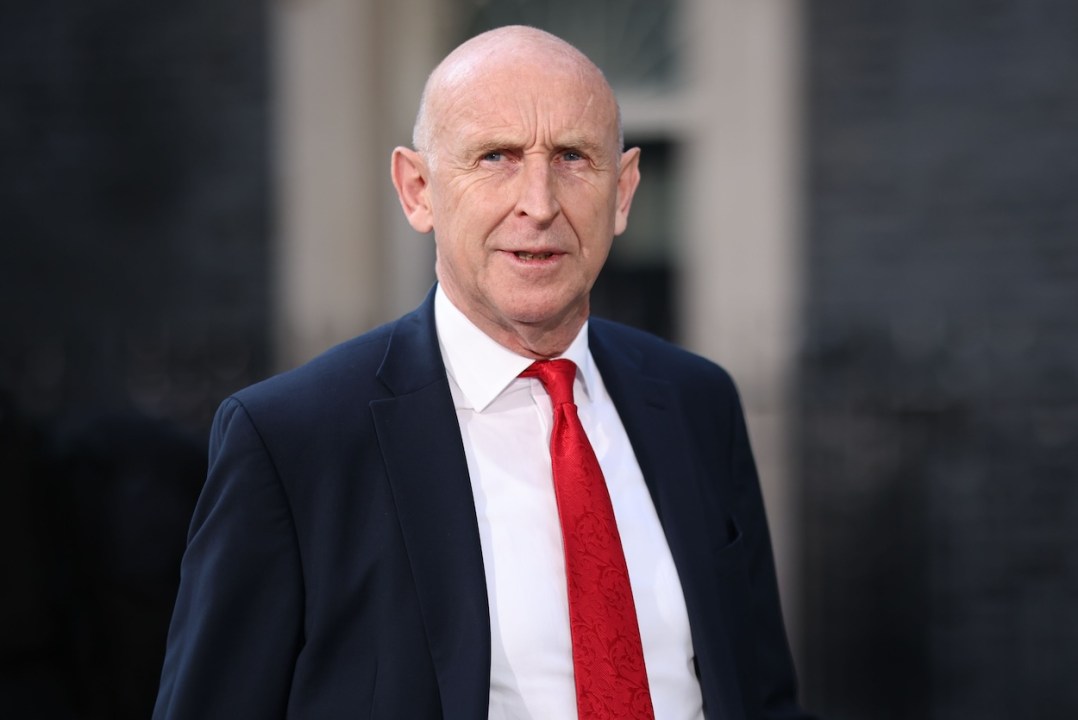
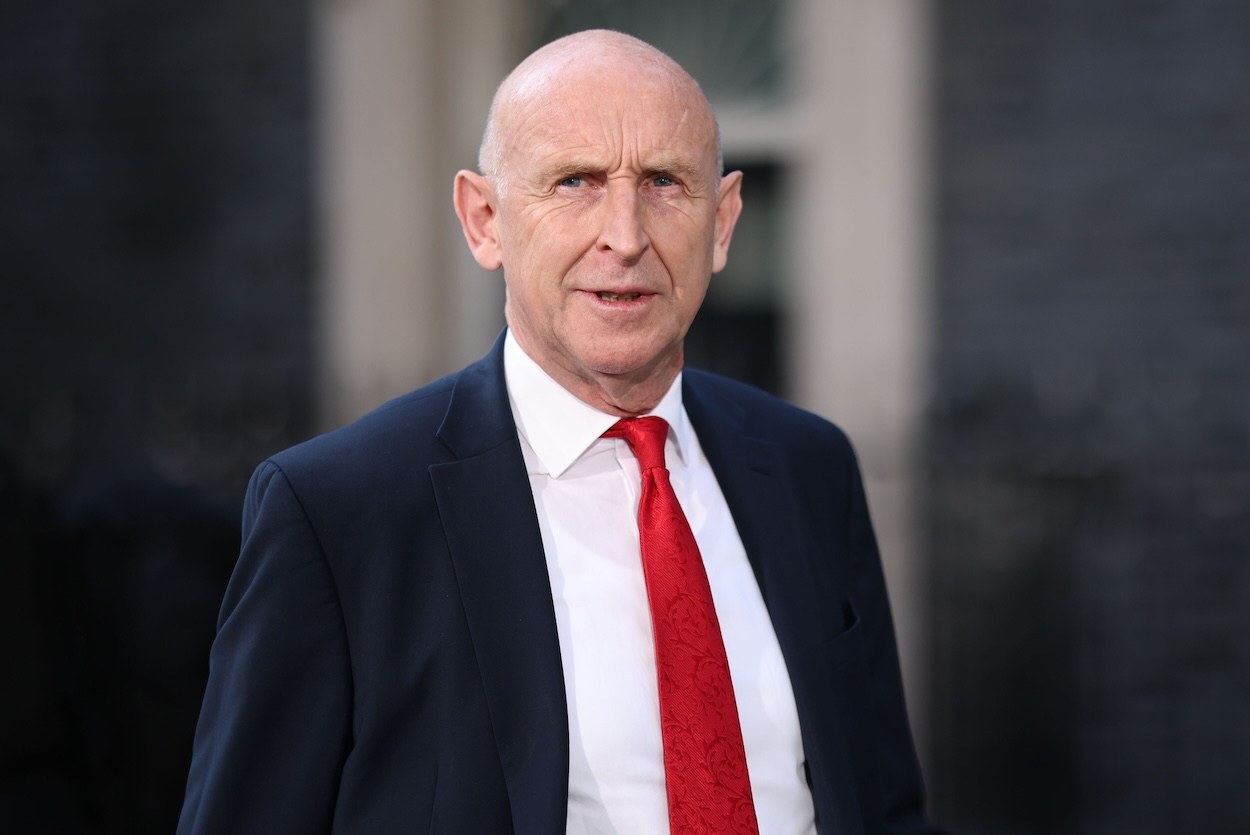
The problem is that it’s a bumper tax take that has kept a perilous lid on borrowing. That’s a card Rachel Reeves has already played, and one Chancellor John Healey is going to find difficult to repeat. Self-assessed income tax receipts came in at £17.1 billion last month, which was the highest July figure since records began. Other tax takes have jumped, too. But the trouble is that this windfall to HMRC is now growing at twice the rate of GDP – and that’s just not sustainable. At some point, there won’t be any more tax to squeeze without suffocating the economy entirely.
But this bumper tax take raises a worrying question. Given all the tax takings flowing into the Treasury, why did we see an overall deficit in July when a range of forecasts (not just the OBR’s) had predicted a surplus? The answer – as always – was in our soaring benefits bill. Welfare payments were up £2 billion compared to a year ago, totalling £30 billion in a single month, with debt interest payments 10 per cent higher than last year, too. And therein lies Healey’s October Budget problem: the books are getting harder than ever to balance.
Twin toxic spending demands – on ceaseless welfare increases and interest payments keeping our creditors at bay – require more and more tax to pay them. Yet tax takes are already at record highs and, if Labour doesn’t breach its manifesto promise on the big three personal taxes, it’s hard to see where further increases come from. The result is attempting to squeeze even more money out of niche business taxes or further stealth taxation through fiscal drag. None of which adds up to a recipe for a prosperous economy.
This first appeared in Michael’s Reality Check newsletter – in inboxes every Friday morning. Sign up here.






Comments