
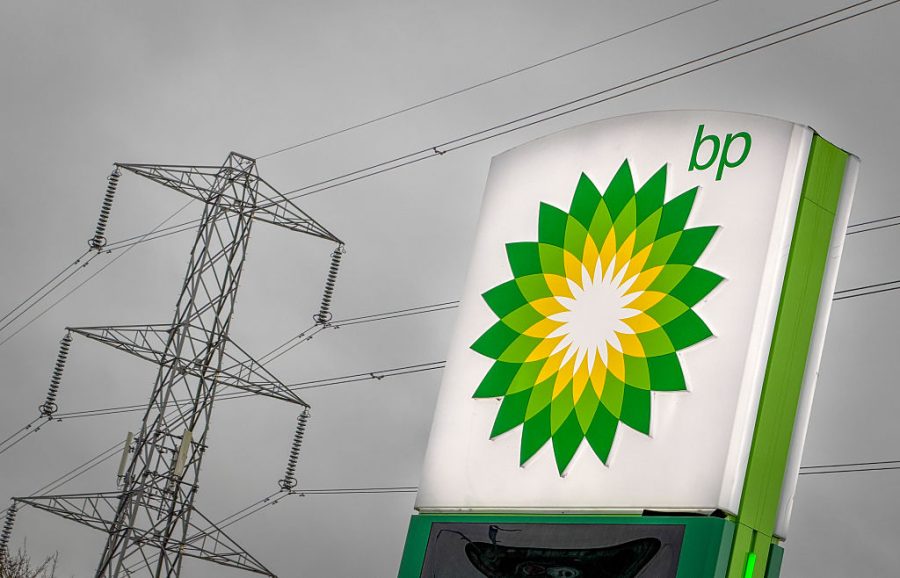
If the energy giant BP’s change of direction over the last year could be summed up in a single phrase, it would be ‘Back to Petroleum’. It has cut its investments in wind and solar power, scaled back its targets for renewables, and brought in new management more familiar with rigs and pipelines than climate change conferences. Today we see the first results of those efforts with a huge increase in profits for the company. BP’s strategy, it seems, is paying off.
A quarter of a century ago, under its former CEO Lord Browne, BP snappily rebranded itself as ‘Beyond Petroleum’. It seemed a smart enough move at the time. With worries about climate change rising, and with oil and gas running out, the conglomerate aimed to transform itself into a giant of the renewable energy industry. The trouble is, it didn’t work out very well.
This is surely a vindication of BP’s decision to return to its roots
Instead of smoothly transitioning to alternatives while steadily running down its reliance on fossil fuels, BP found that it was far harder to make money from wind and solar farms than it had been from drilling for black gold in far-flung corners of the world. Its profits drifted, it fell behind its rivals, it went through a series of chief executives, and corporate raiders started buying up its shares and demanding change. In the City, there was constant rumpus of a humiliating takeover offer from its historic rival Shell.
BP’s new CEO Meg O’Neill, a veteran of ExxonMobil and Australia’s Woodside Petroleum, has been determined to change that. Over the last few months, the company has ditched the green targets and refocused its energy on the traditional oil industry. It is paying off in spectacular style. Today, it announced profits of $3.8 billion (£2.8 billion) for January to March, compared with $687 million (£509 million) for the same period last year. The company’s ‘underlying profits’ have, meanwhile, more than doubled.
Sure, BP has been helped by the huge rise in the oil price since the Iran war started in March. A volatile market has also boosted its huge trading unit. Even so, it is surely a vindication of BP’s decision to return to its roots and certain to embolden O’Neill to double down on her plans to turn the business around.
Shell, meanwhile, has been moving in the same direction, with the announcement yesterday that it was buying the Canadian shale oil and gas company ARC Resources for $16 billion (£12 billion). This is a reversal of its decision to get out of fracking (heck, who knows, perhaps it will be allowed to develop shale reserves in Britain one day).
Switching to renewables has – it turns out – been a huge diversion for the oil giants and one that has cost their shareholders tens of billions. But at least BP and the rest of the bunch are finally getting back on track.






Comments